Beijing Business Lands: „Concepts Trouvés“ in Aesthetic Capitalism
Berlin, 08.02.2026
The cognition of the street is bound to deciphering its dreamily murmured images.
(Siegfried Kracauer: Streets in Berlin and Elsewhere)
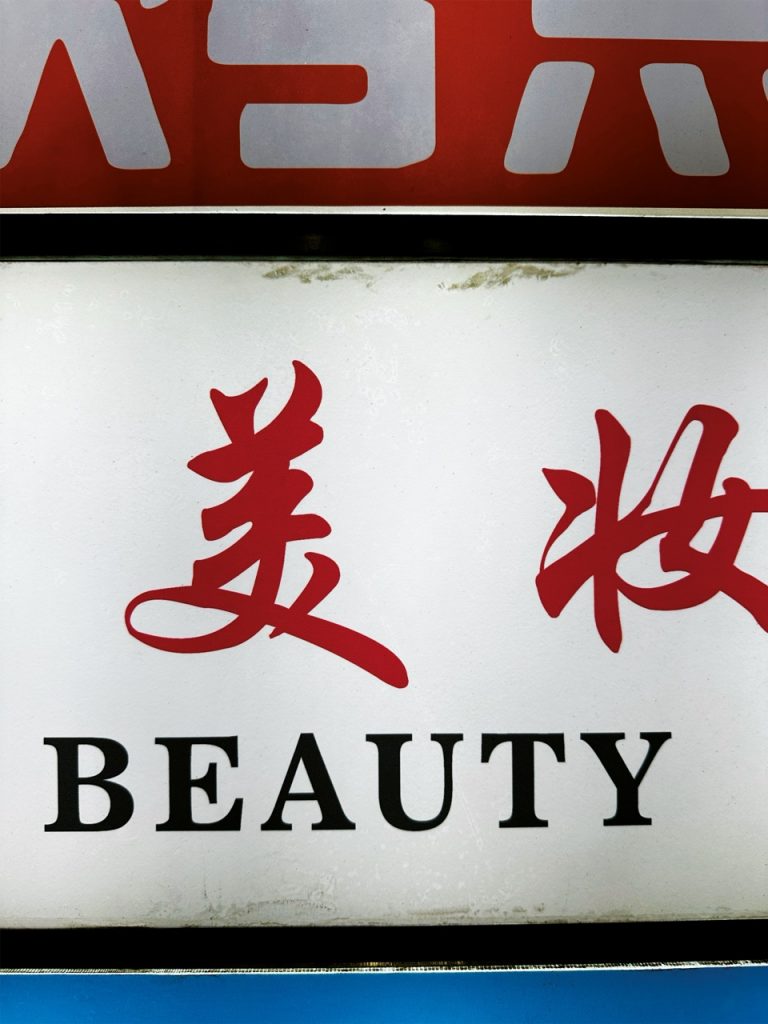
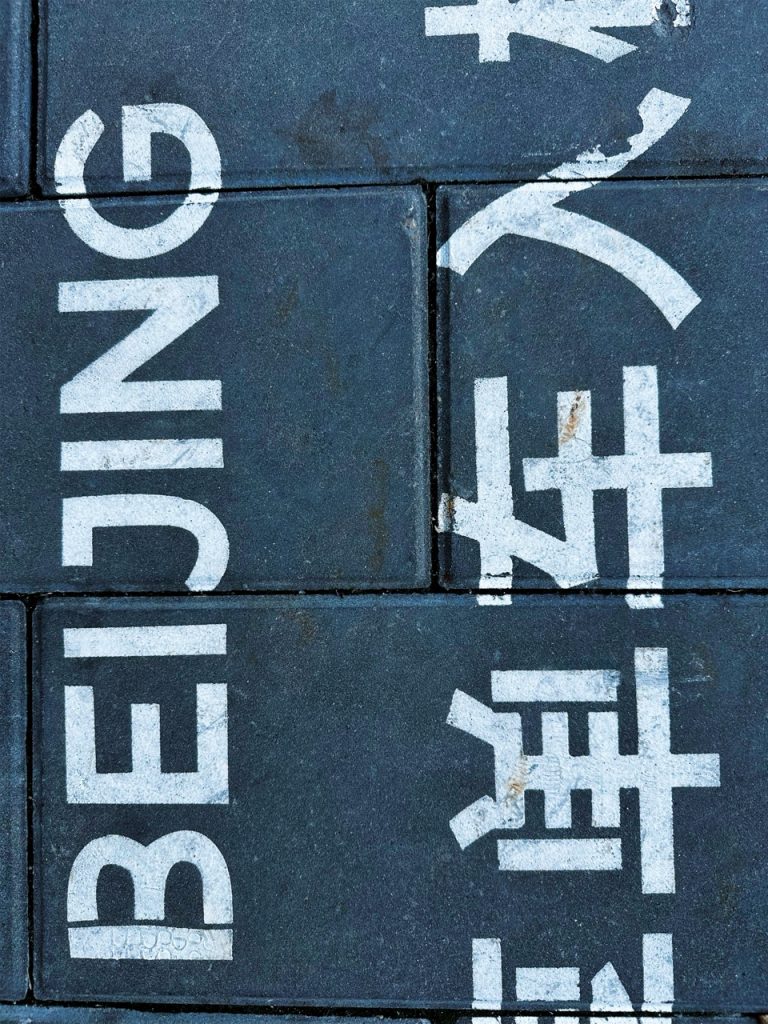
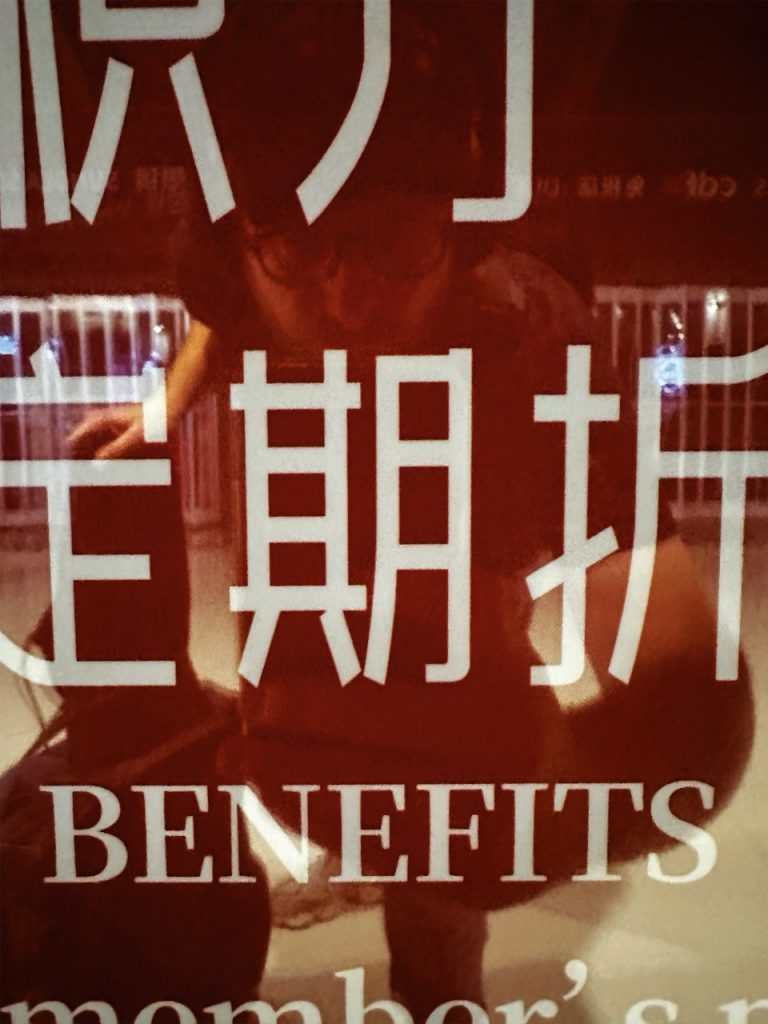
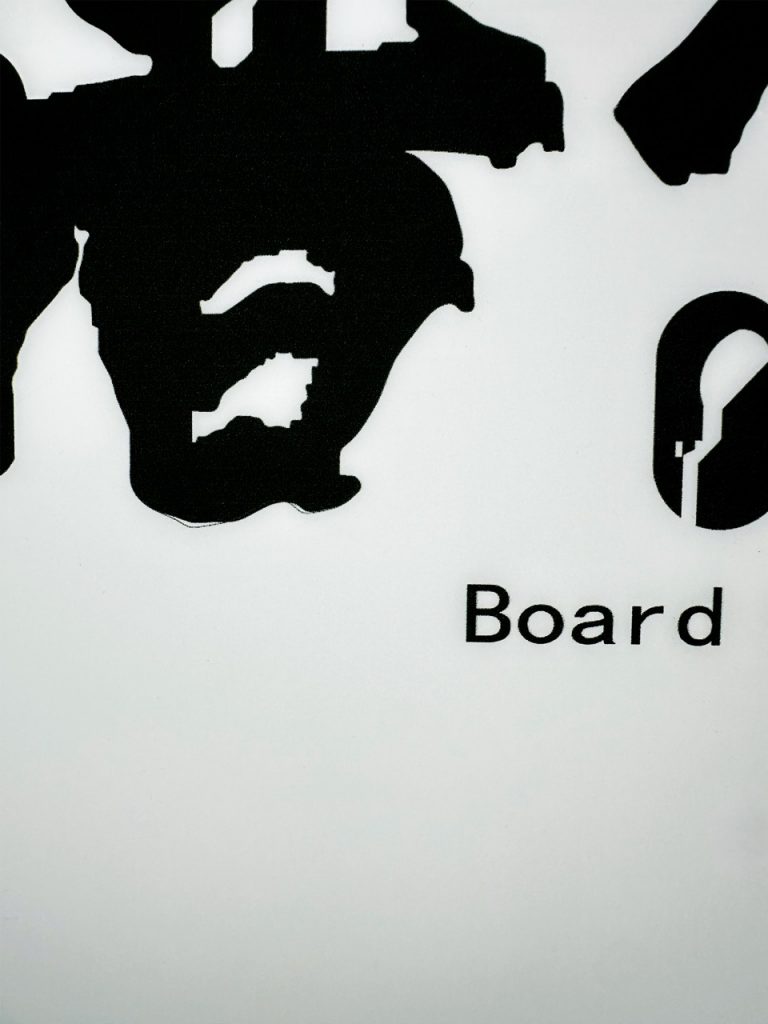
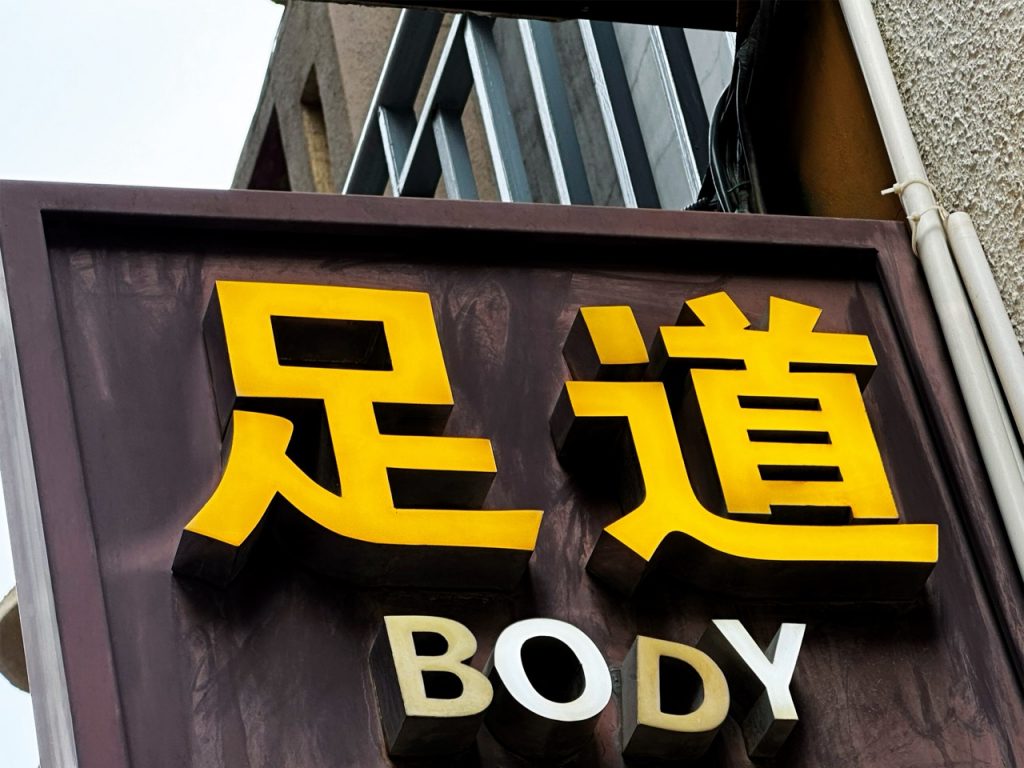
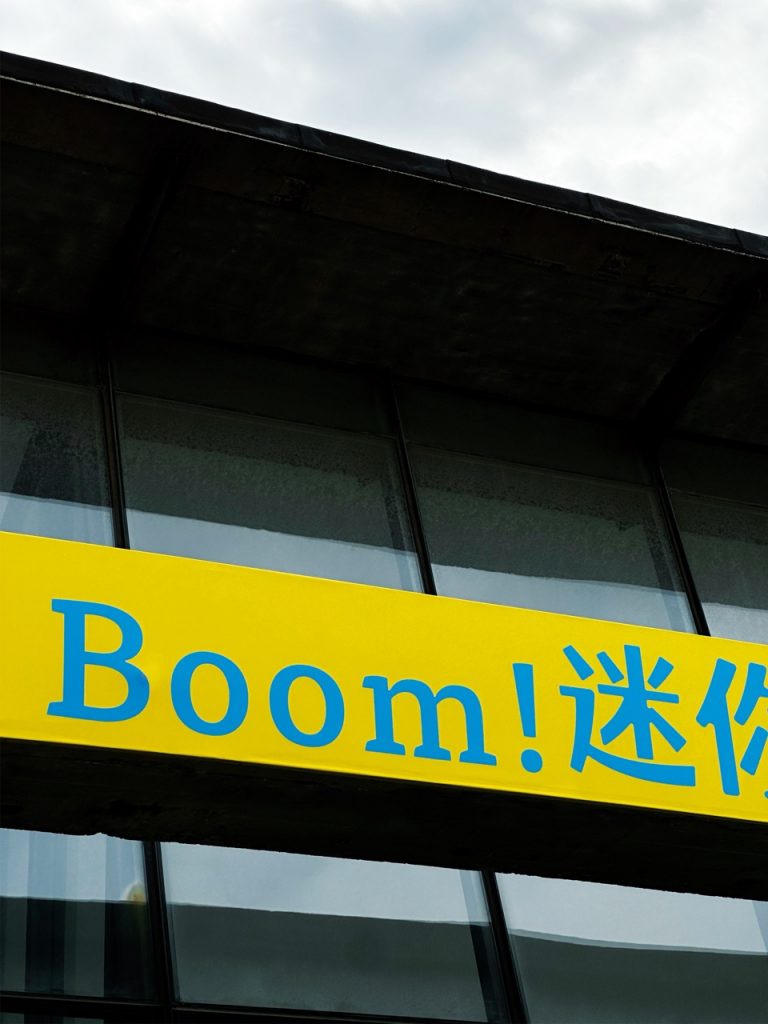
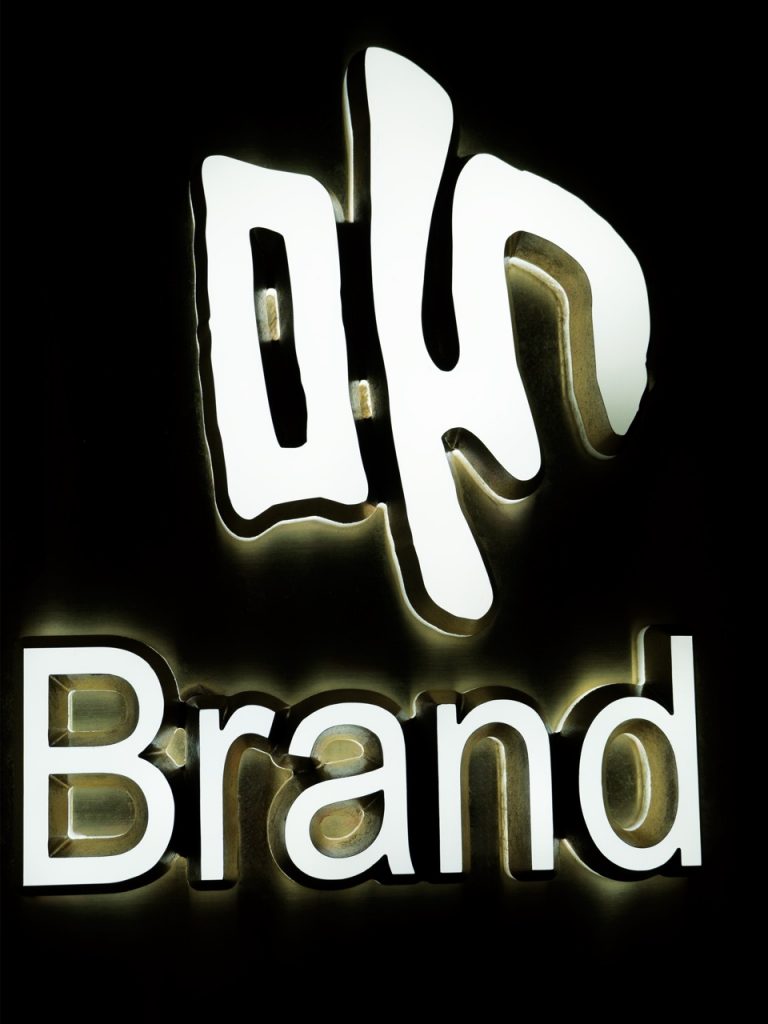
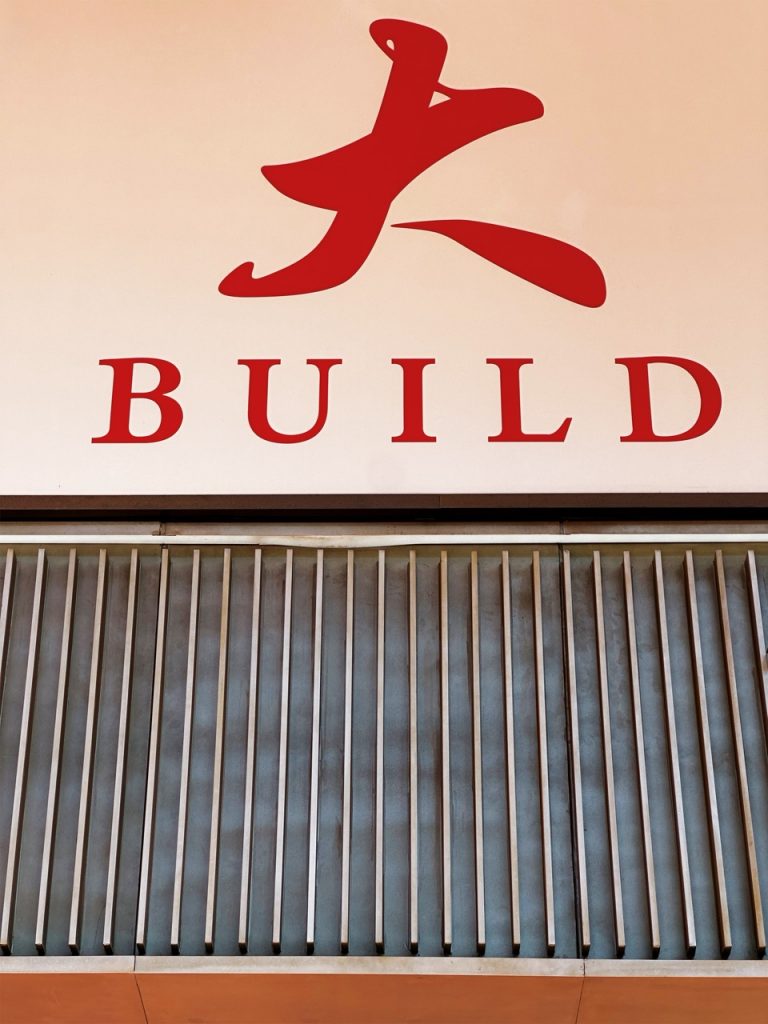
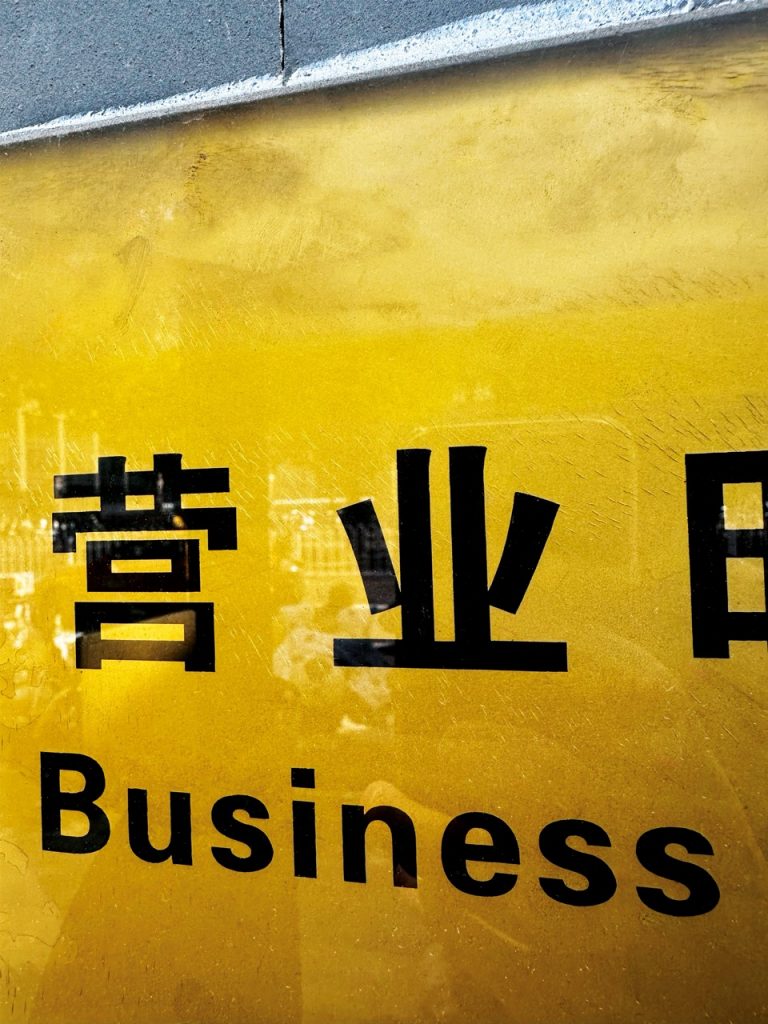
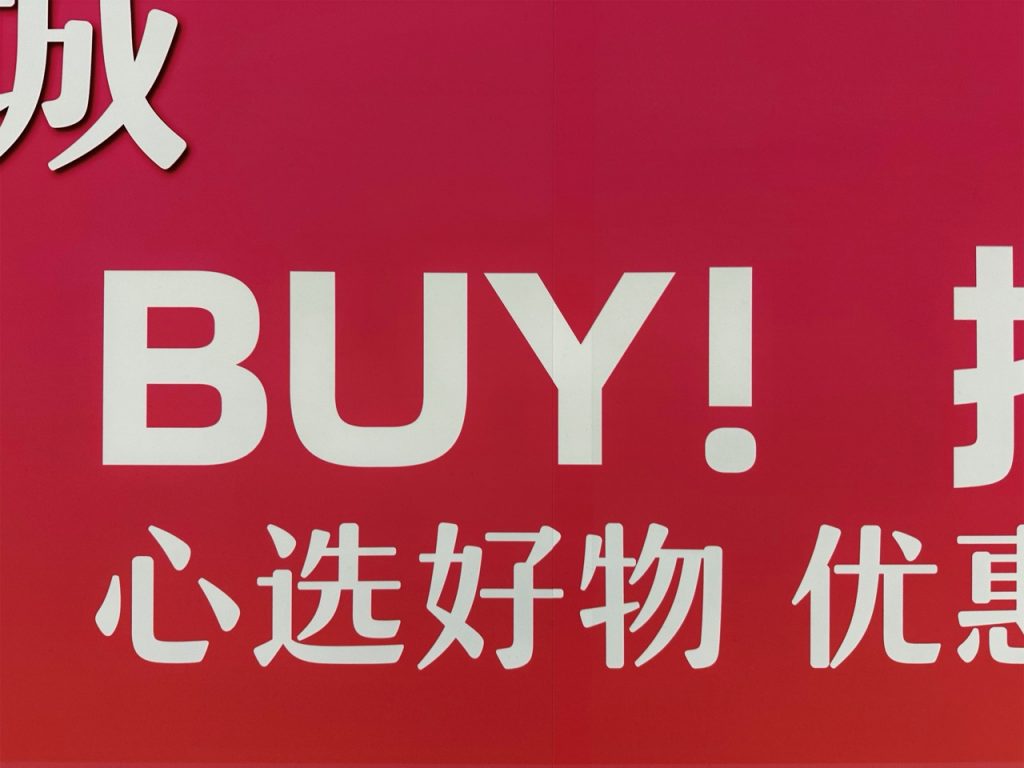
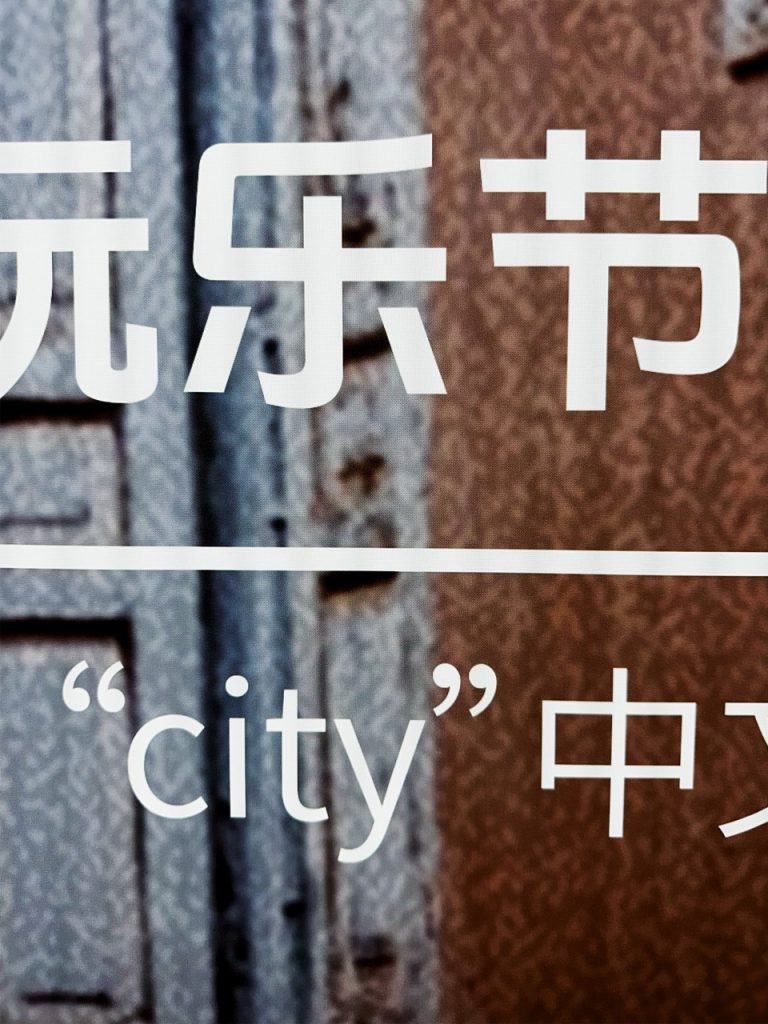
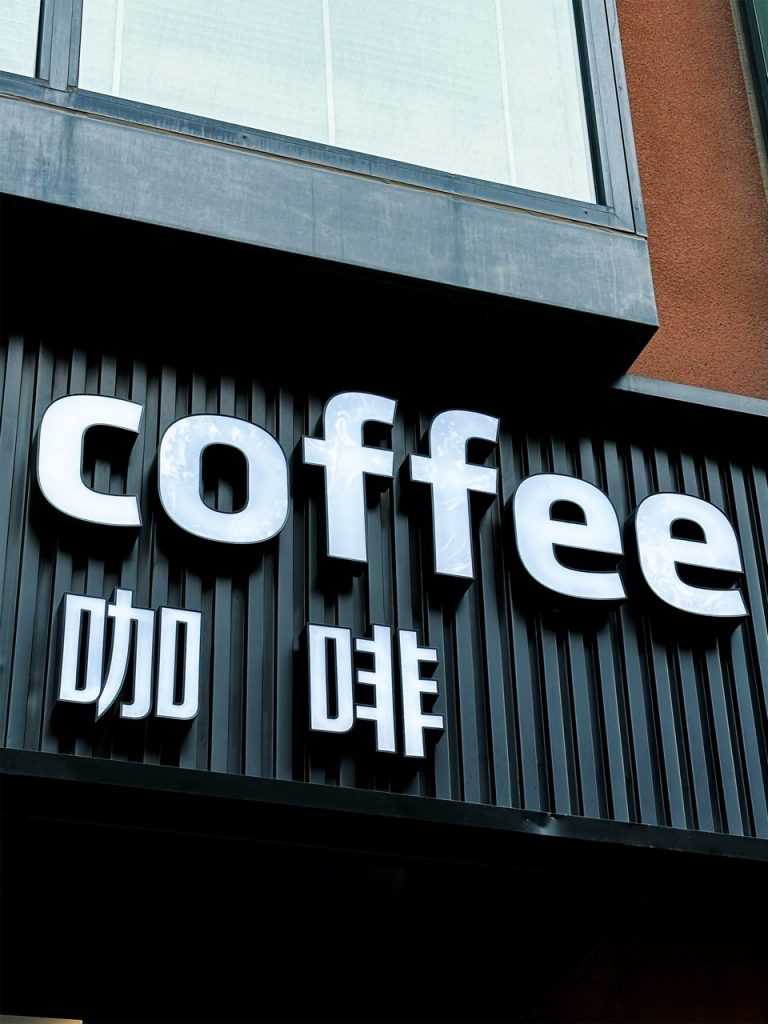
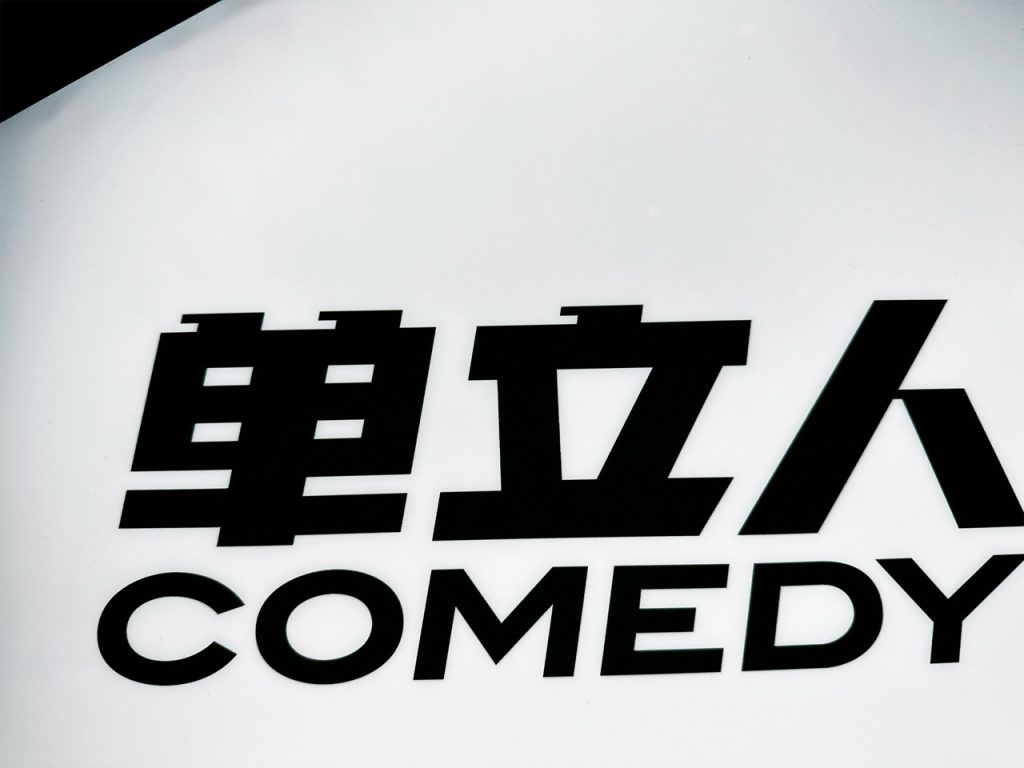
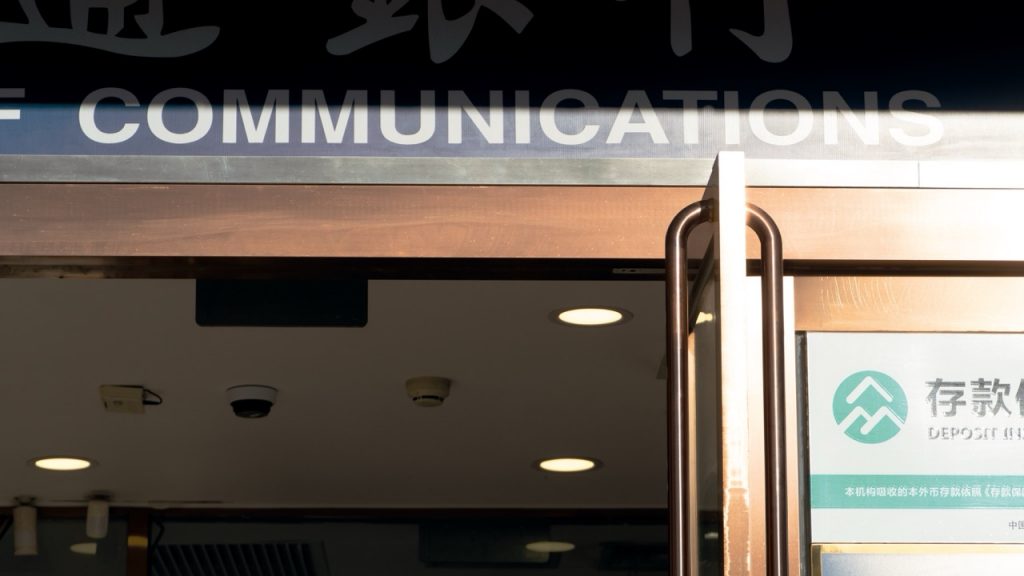
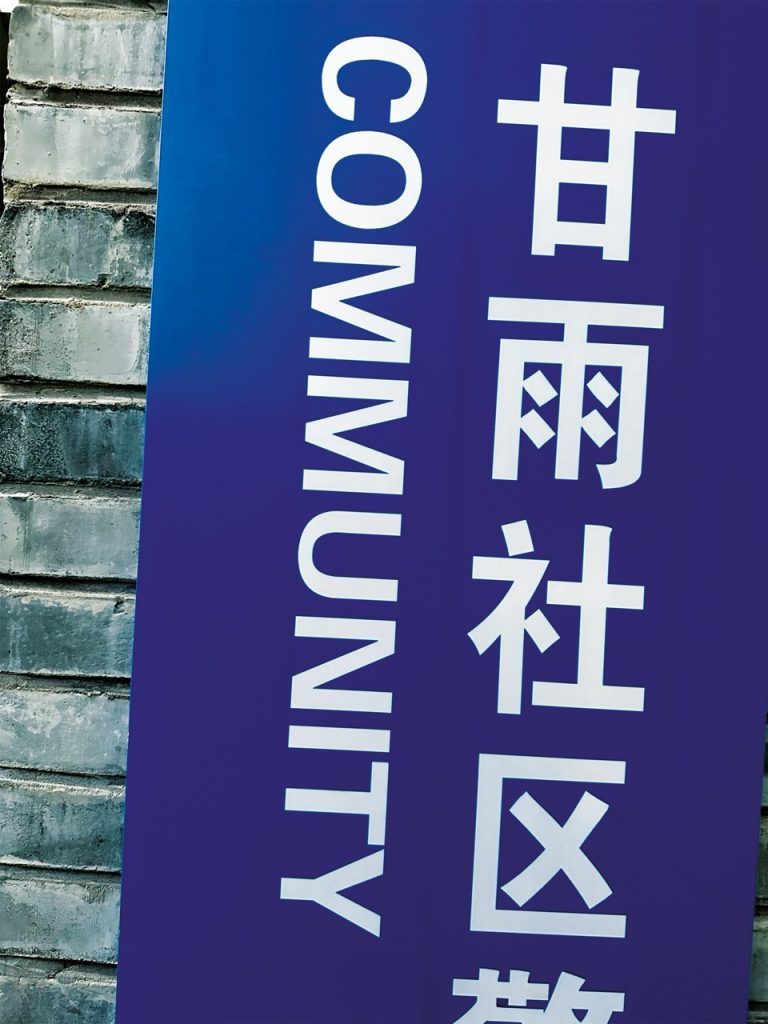
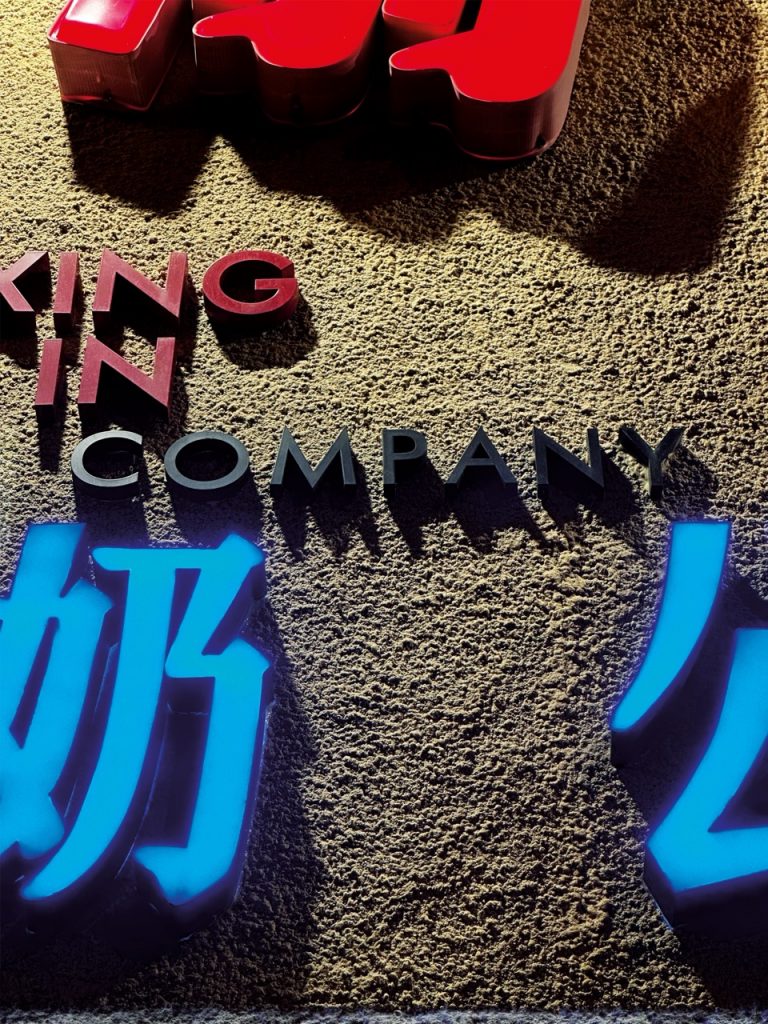
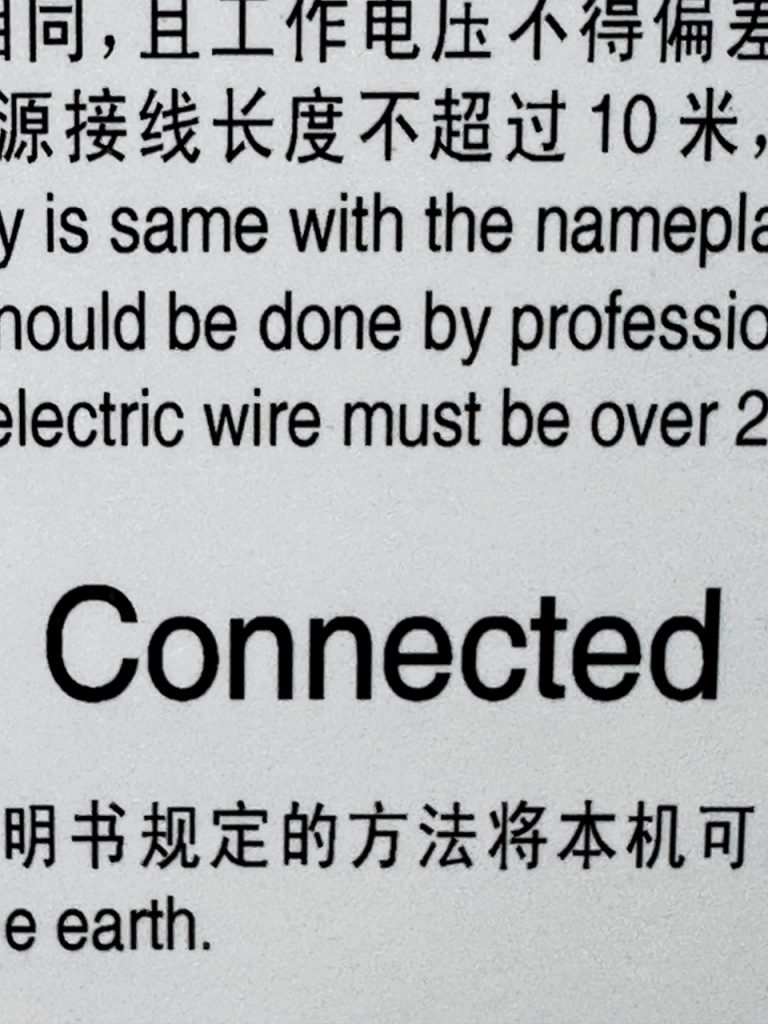
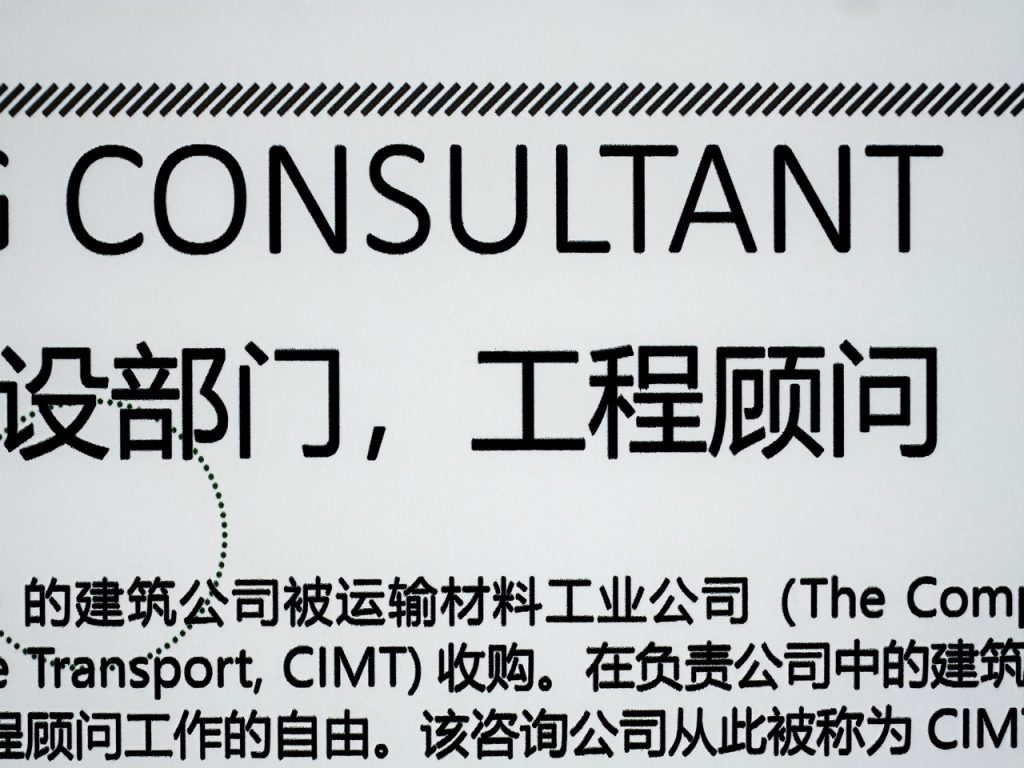
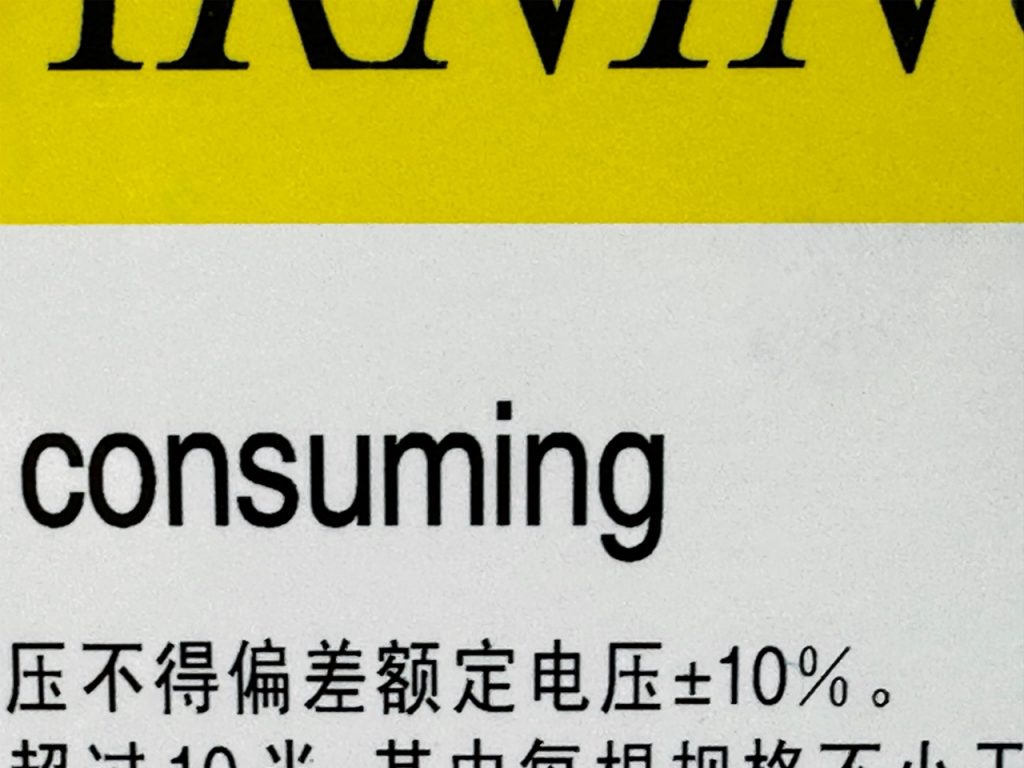
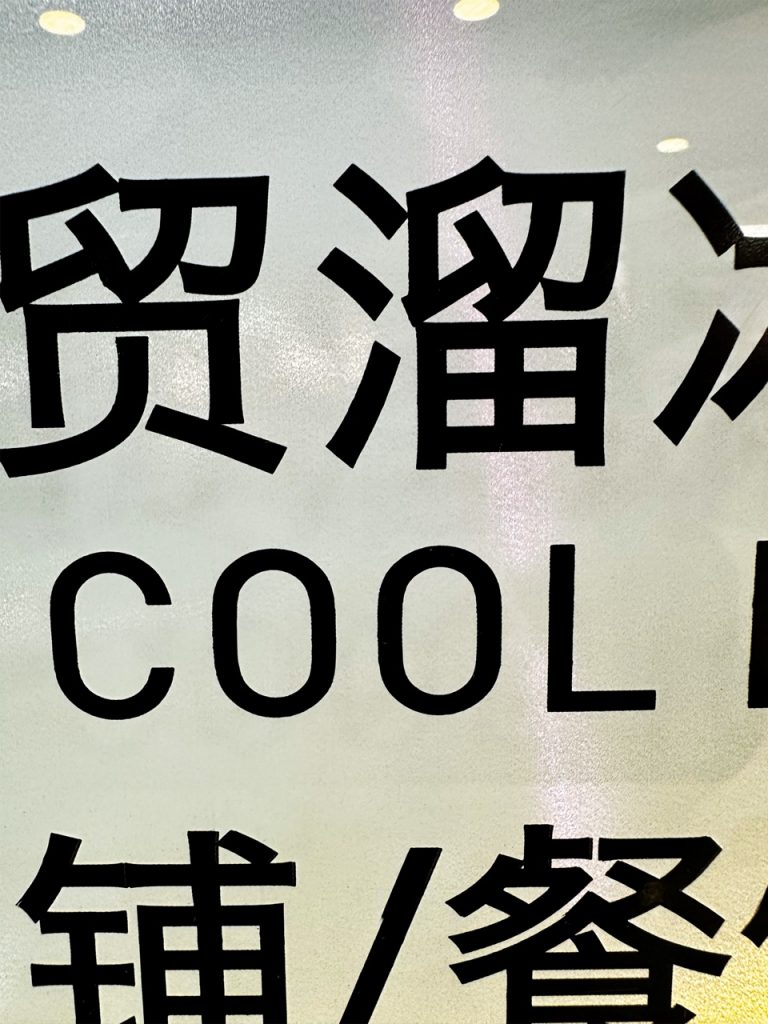
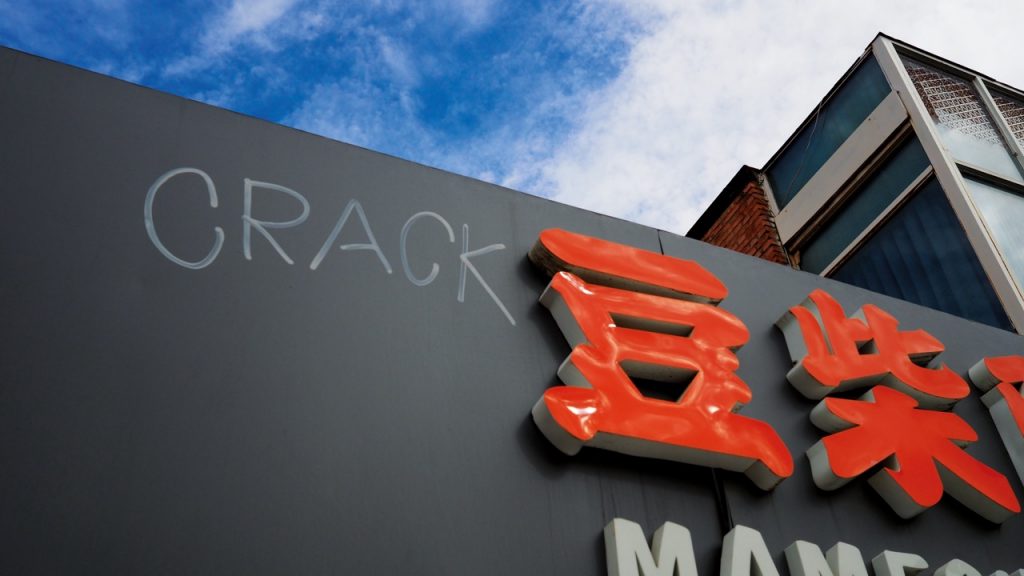
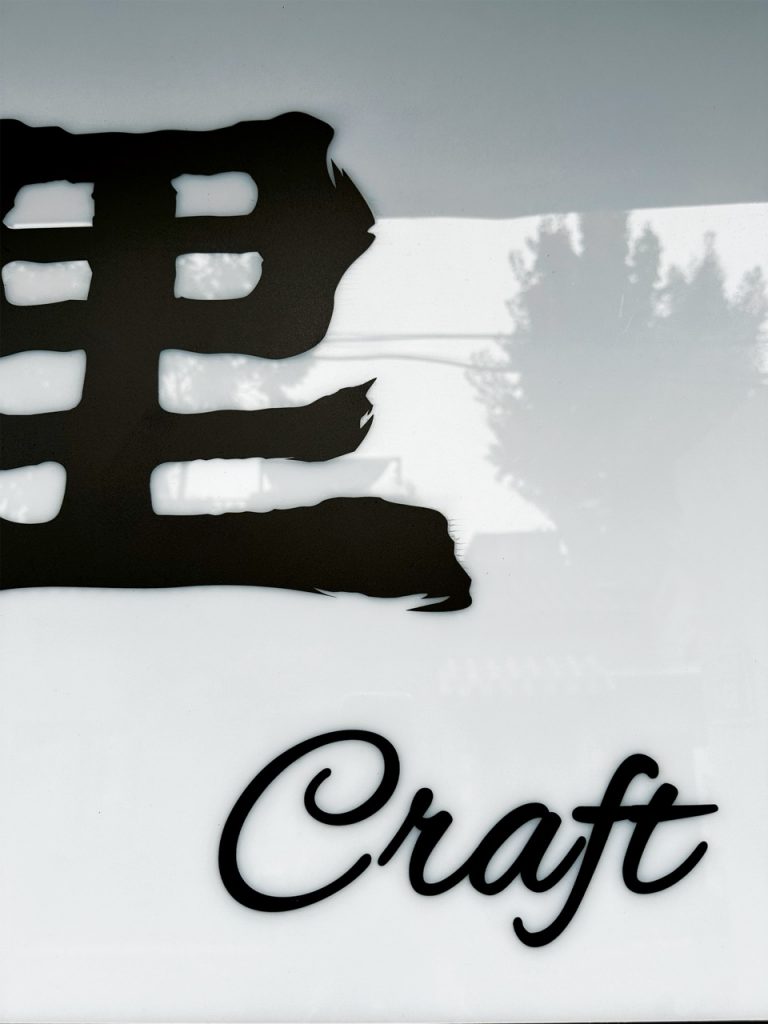
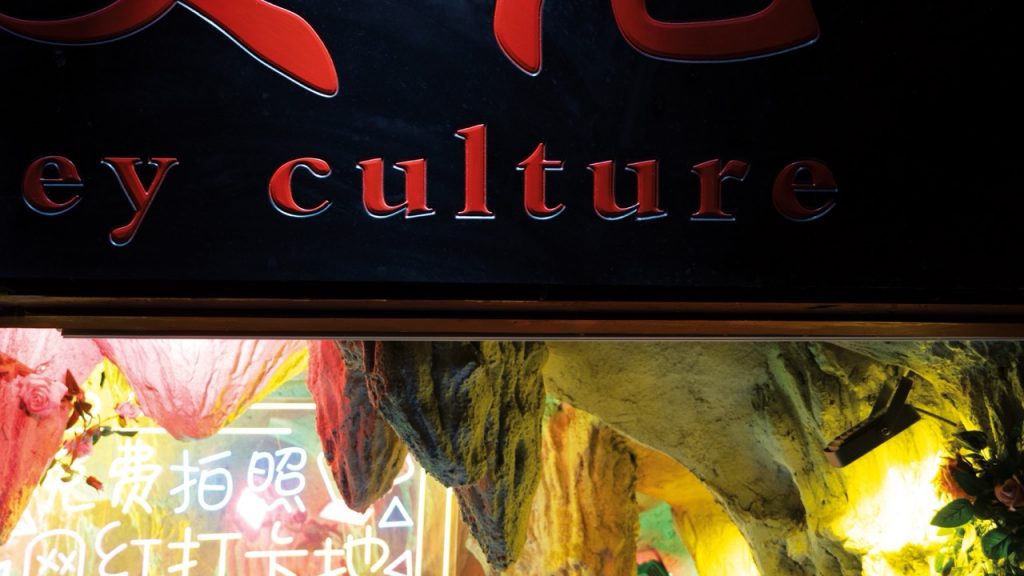
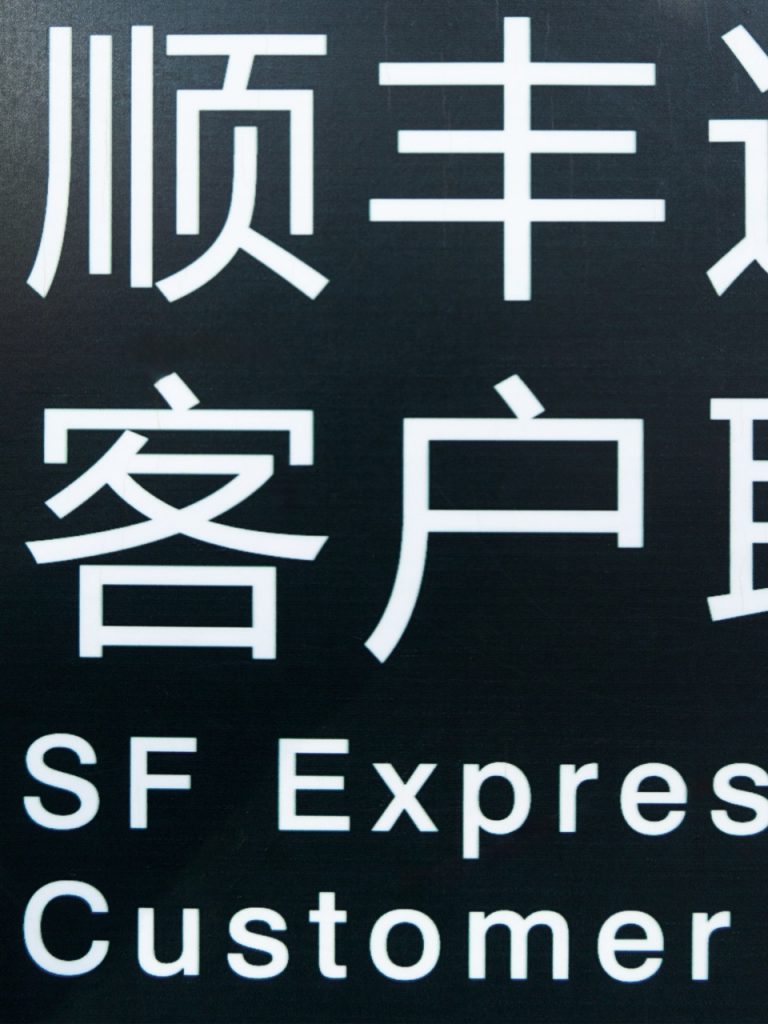
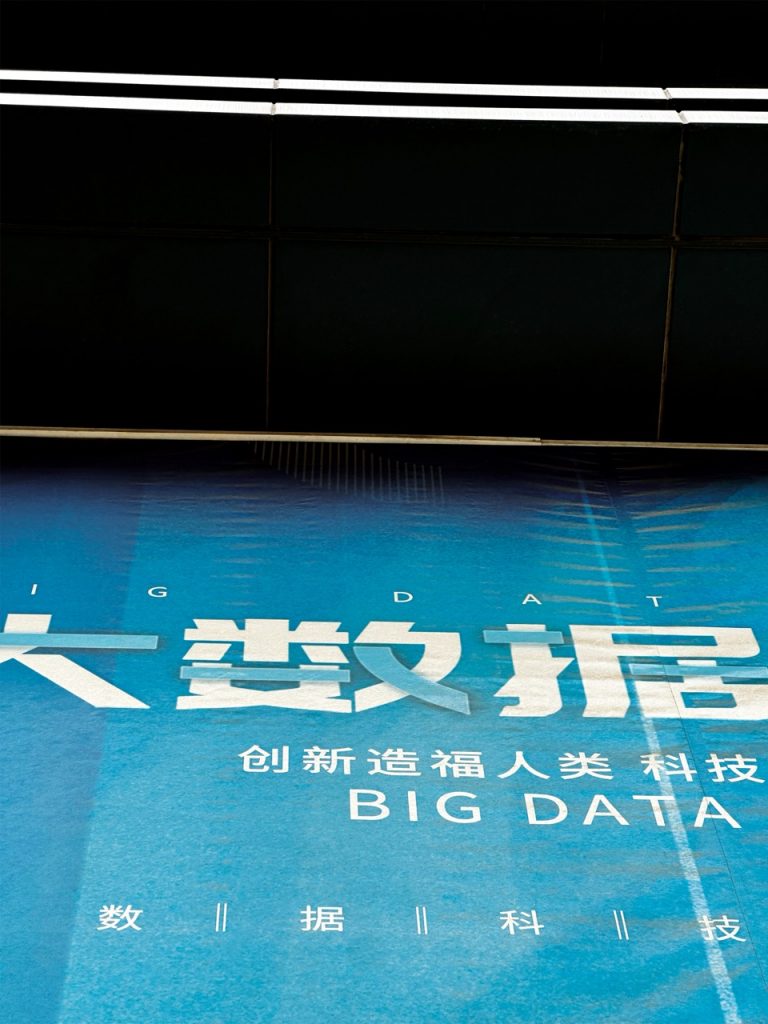
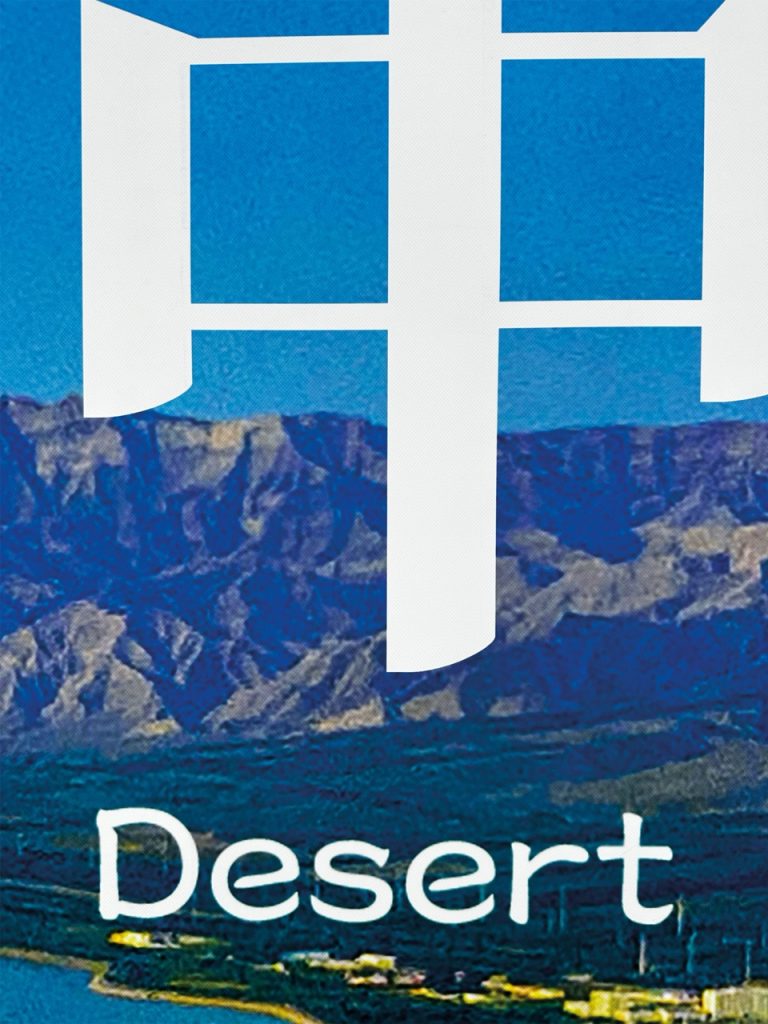
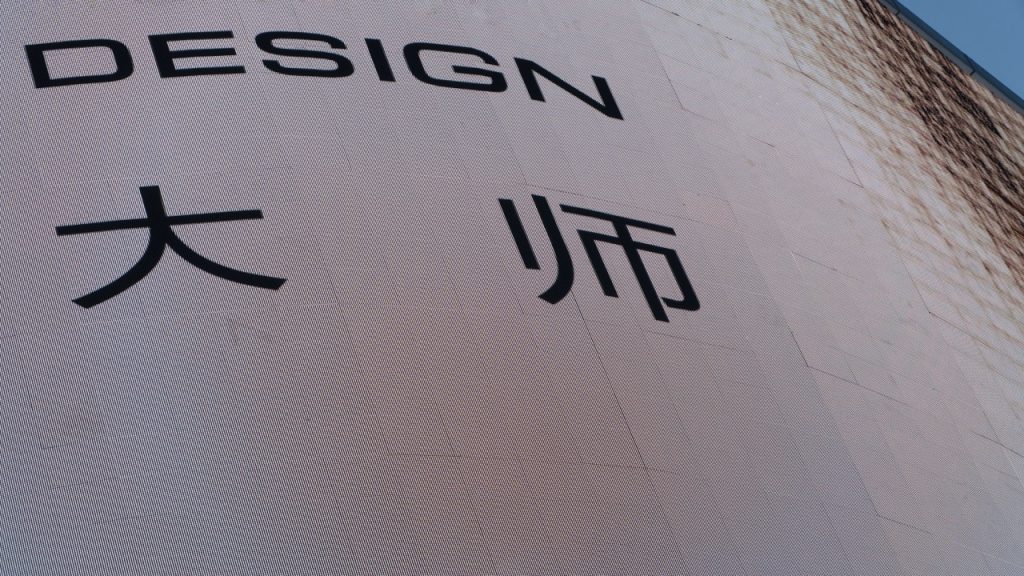
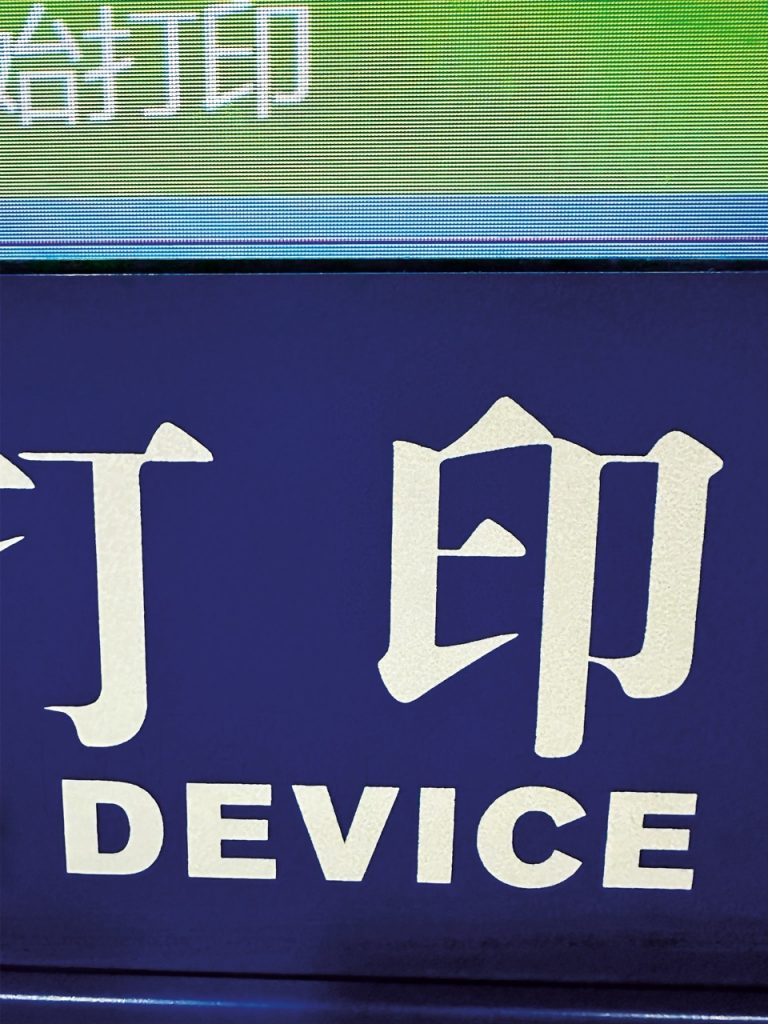
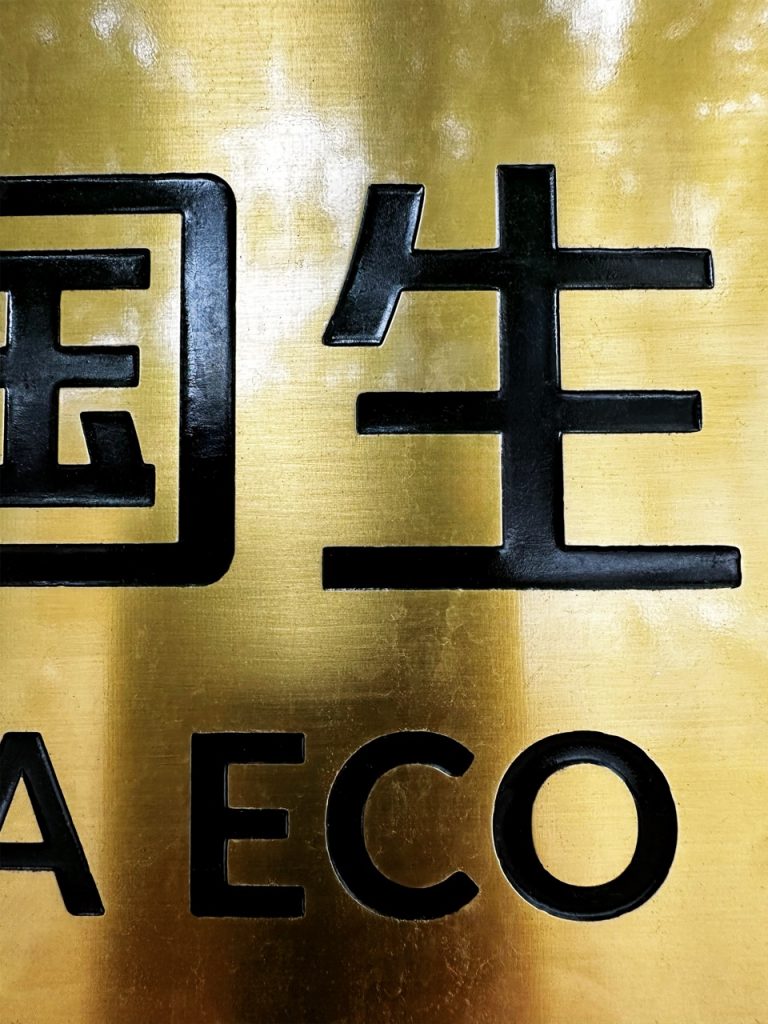
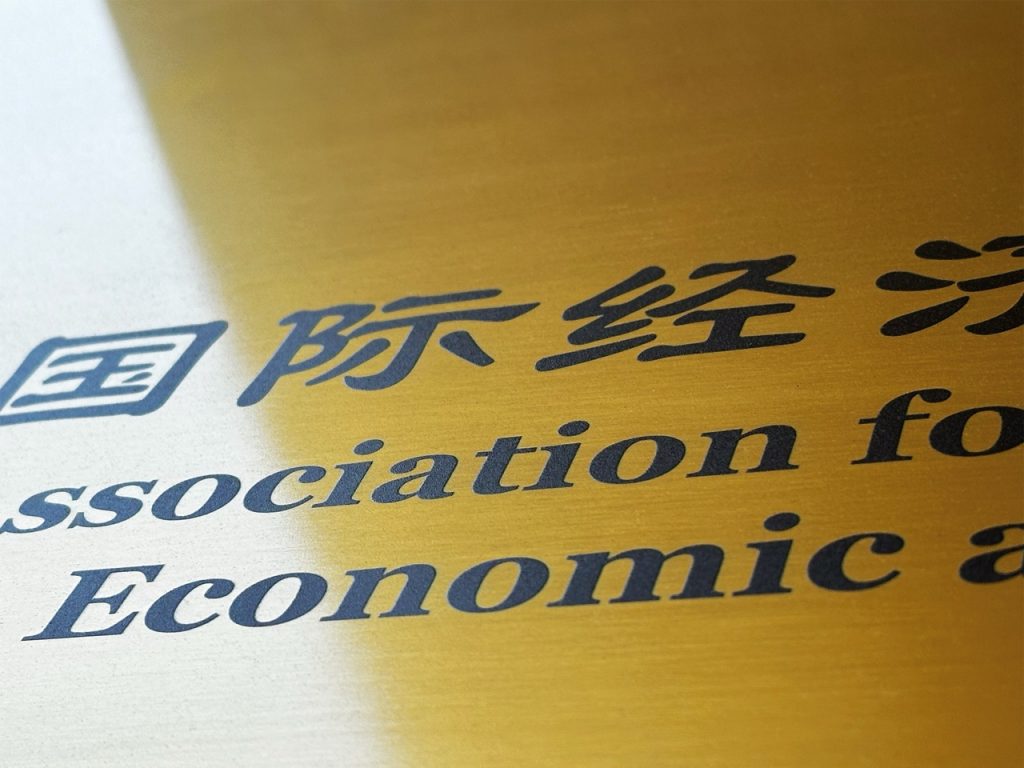
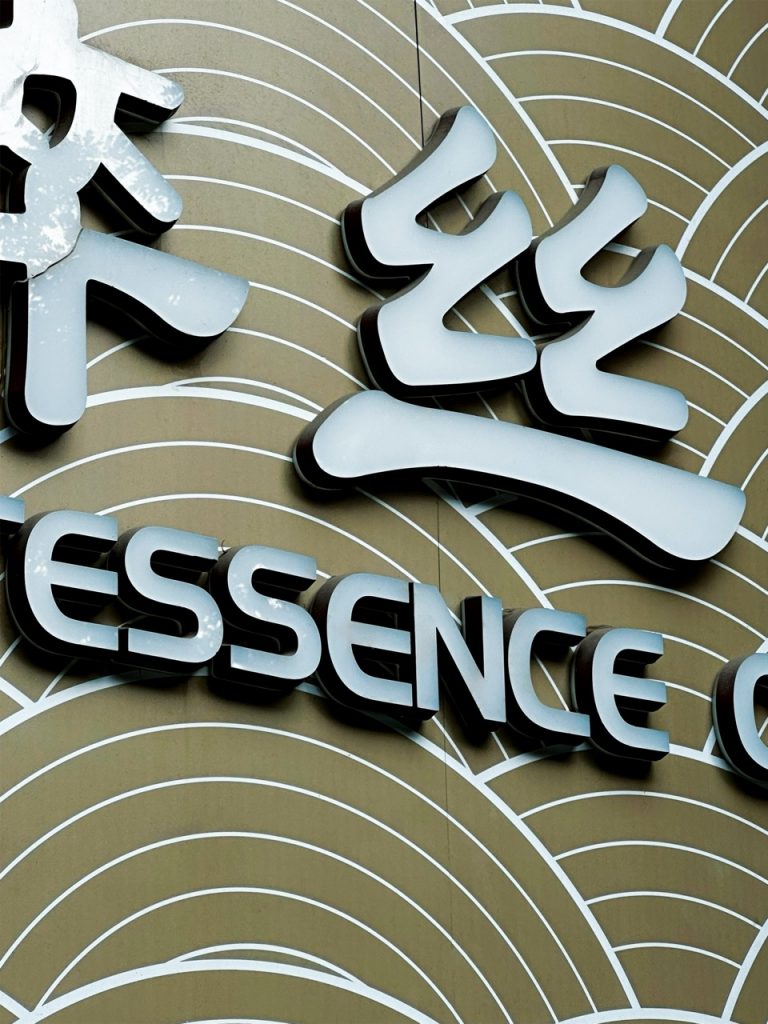
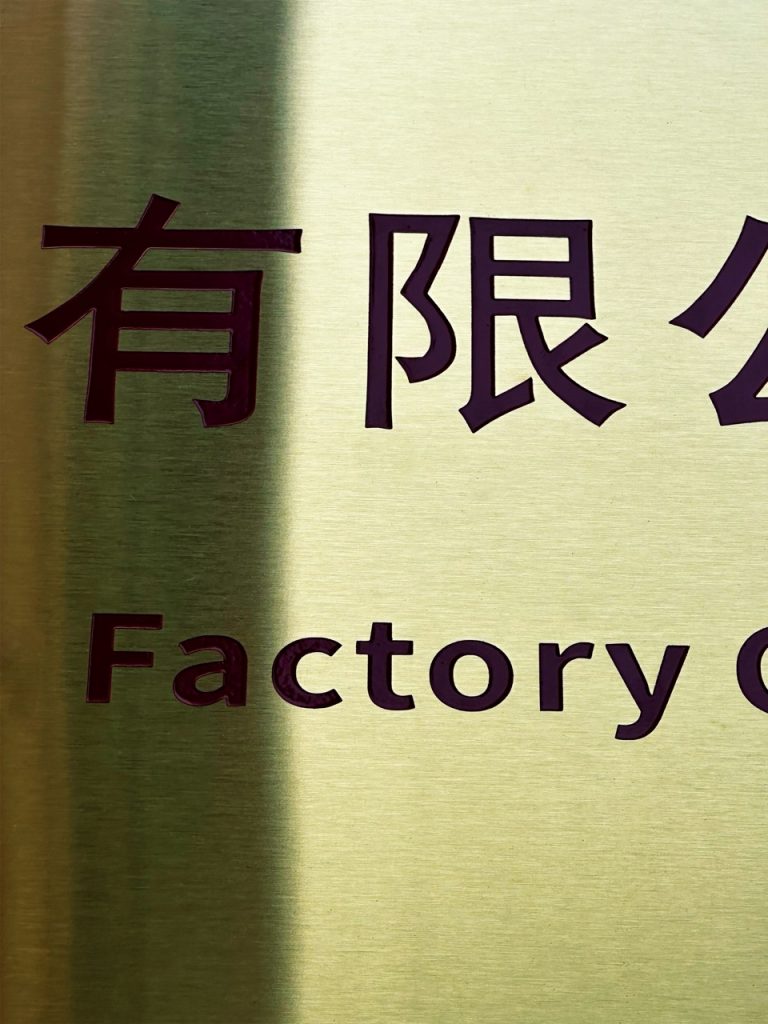
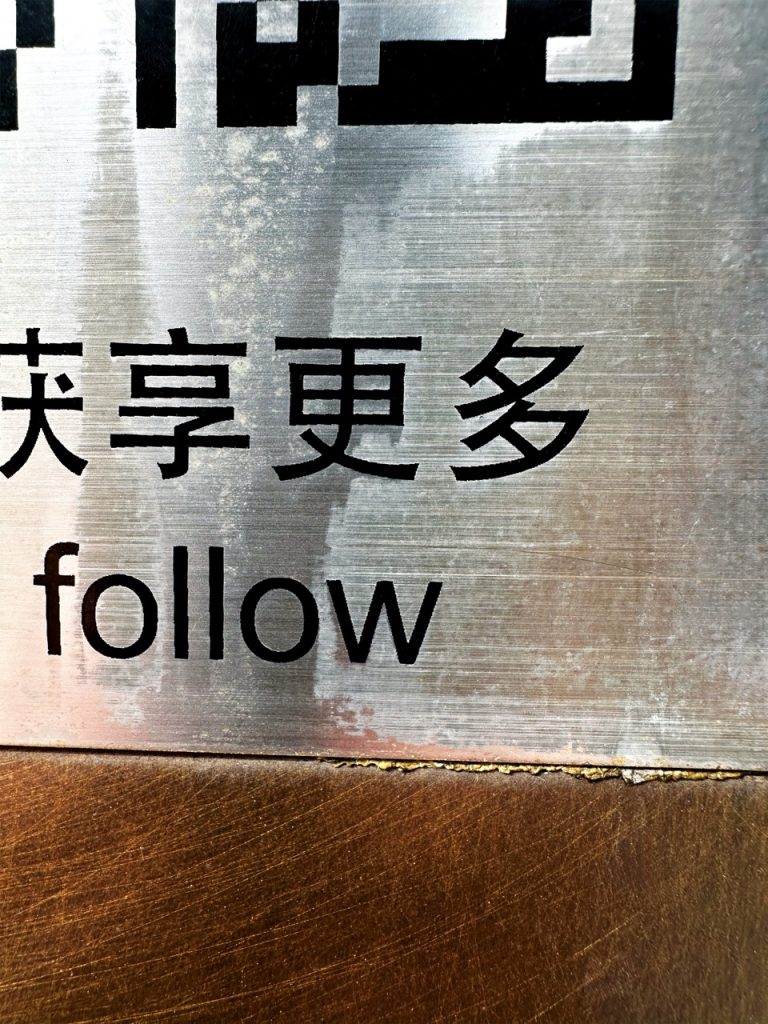
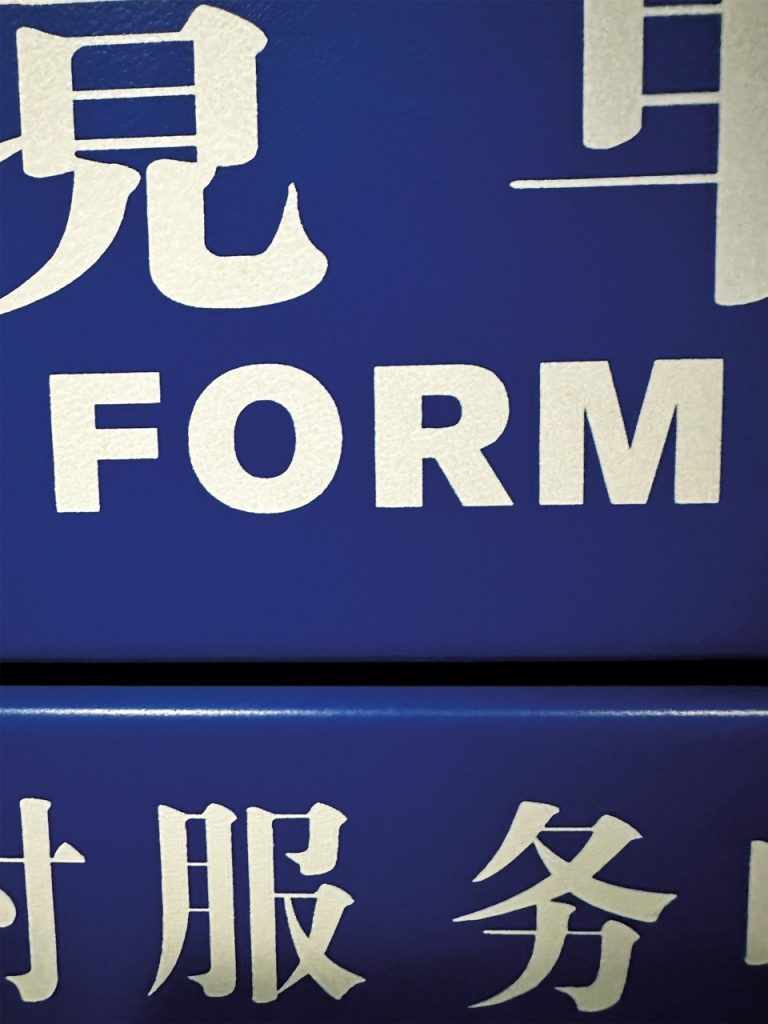
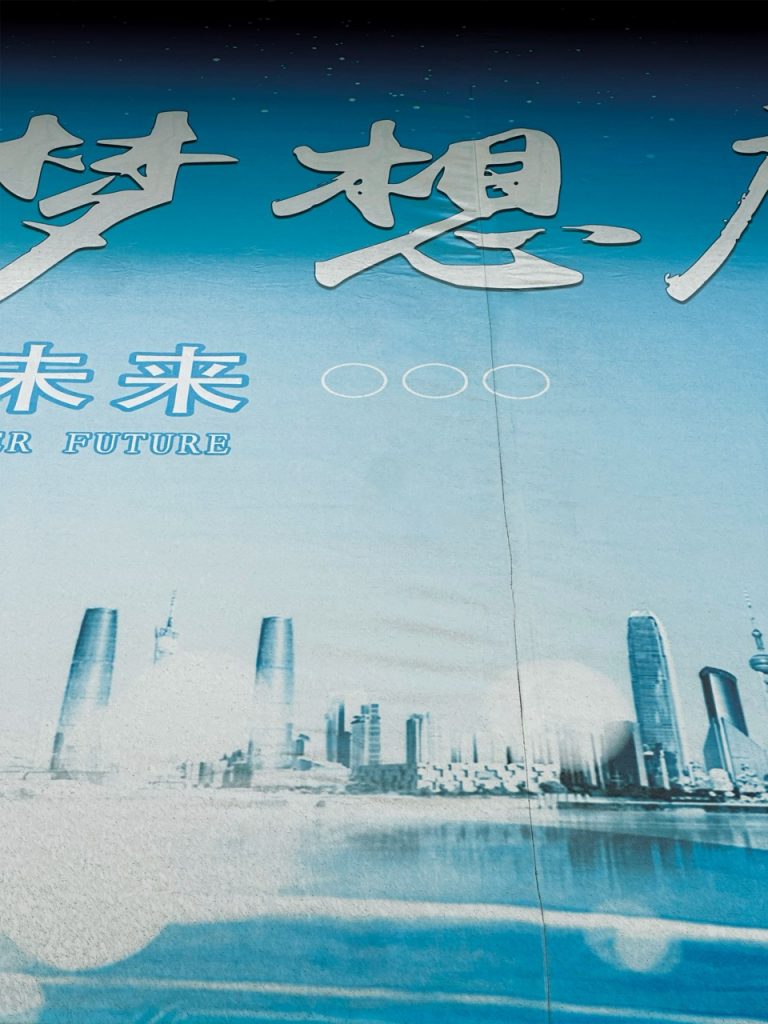
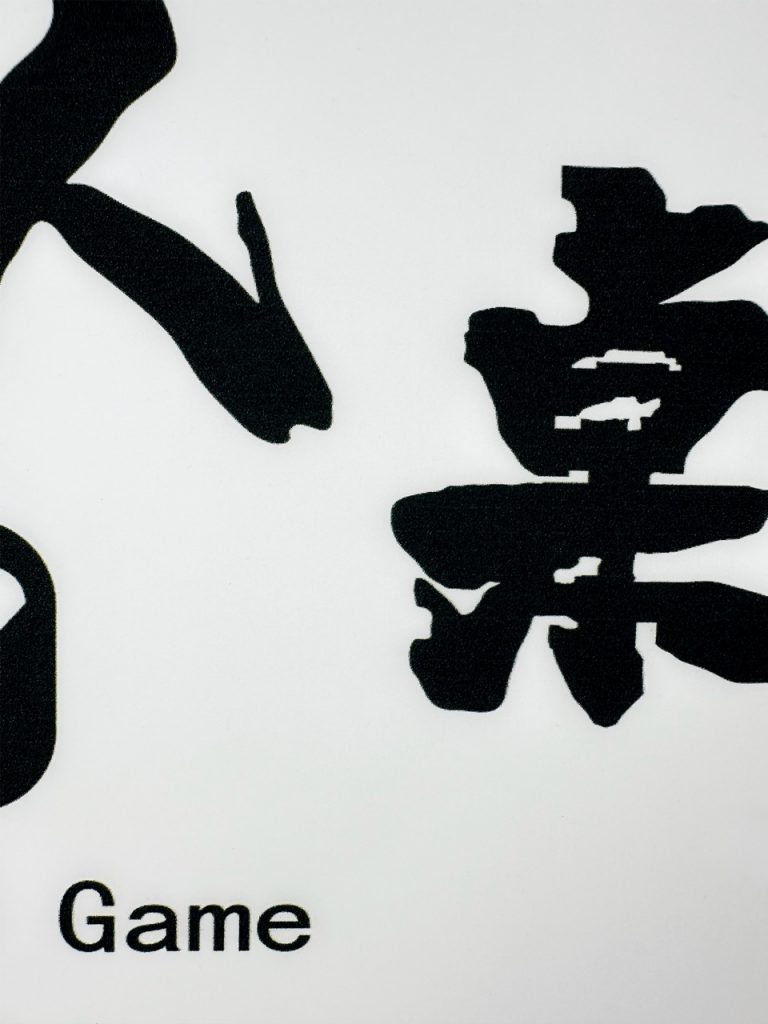
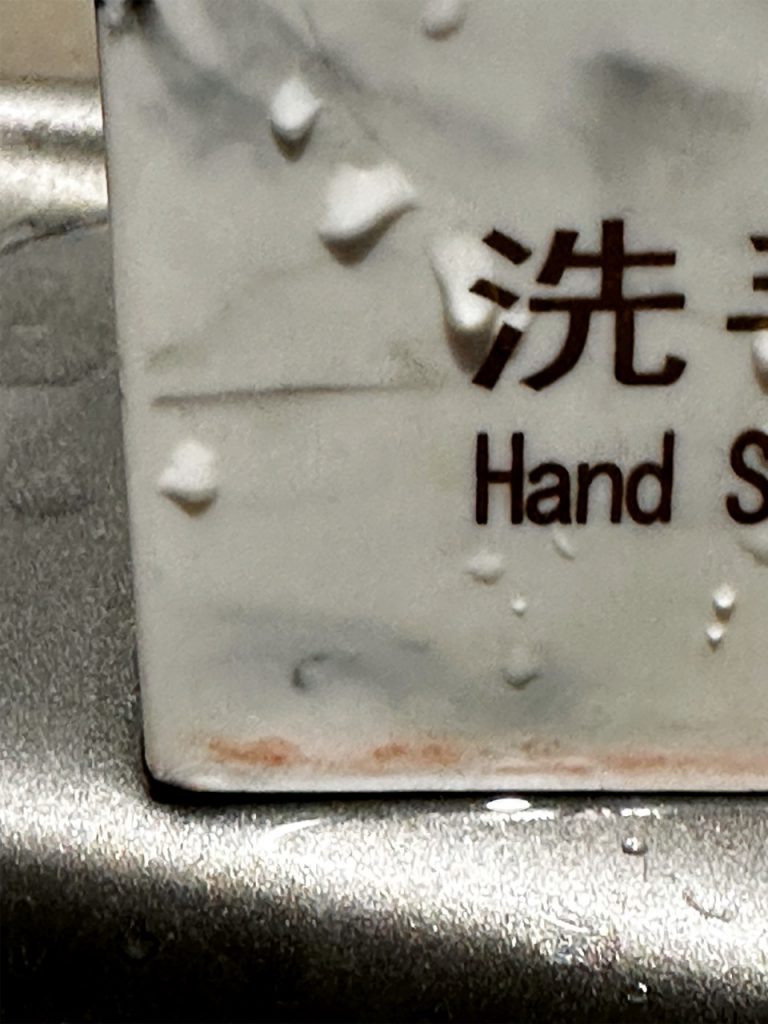
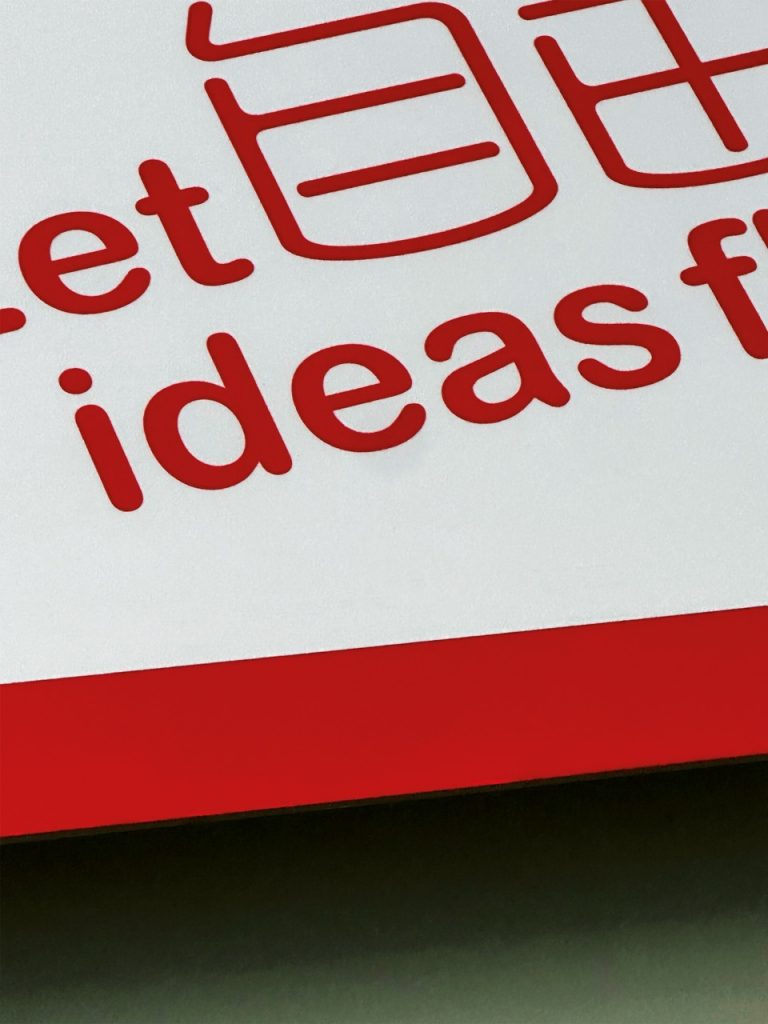
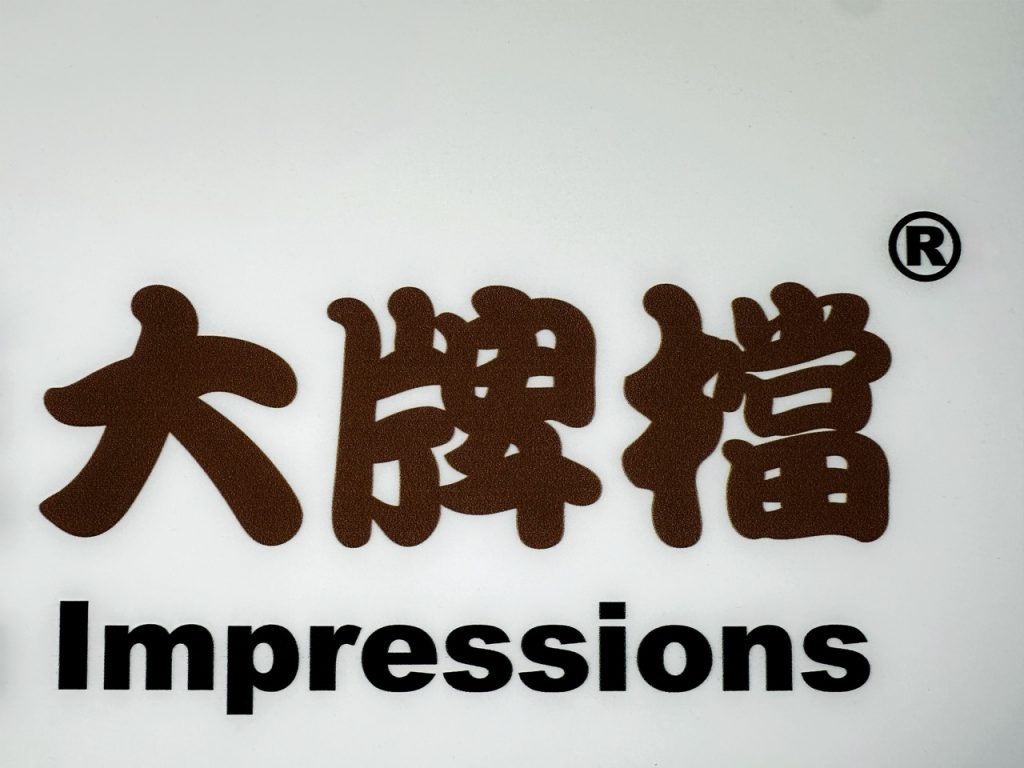
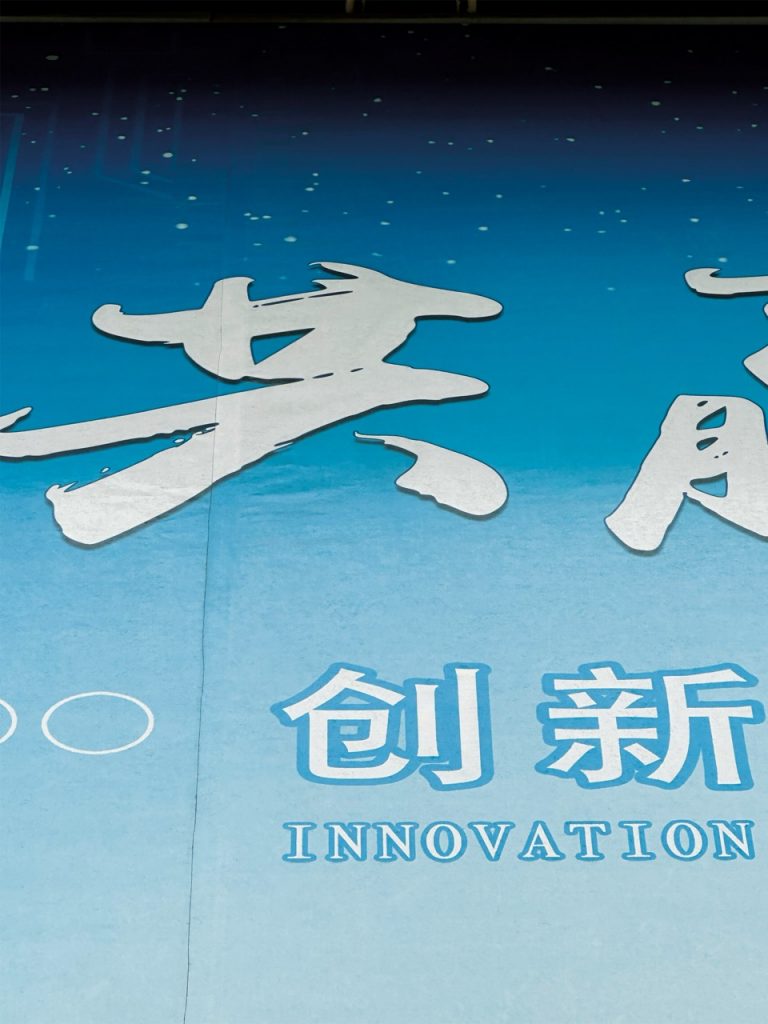
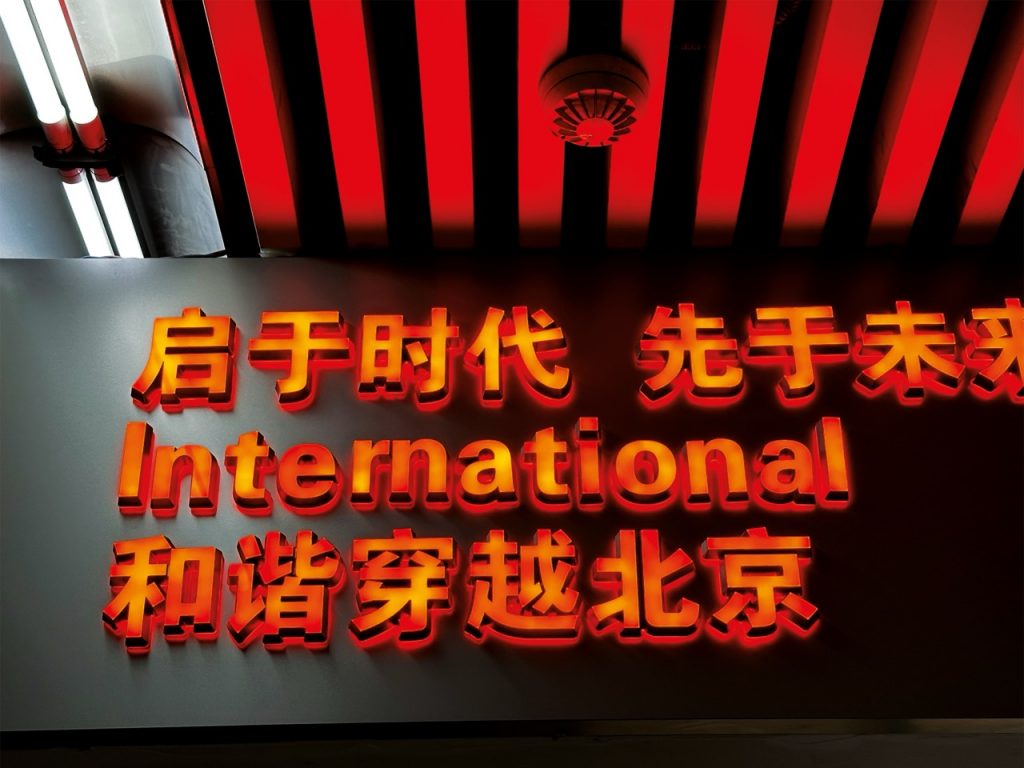
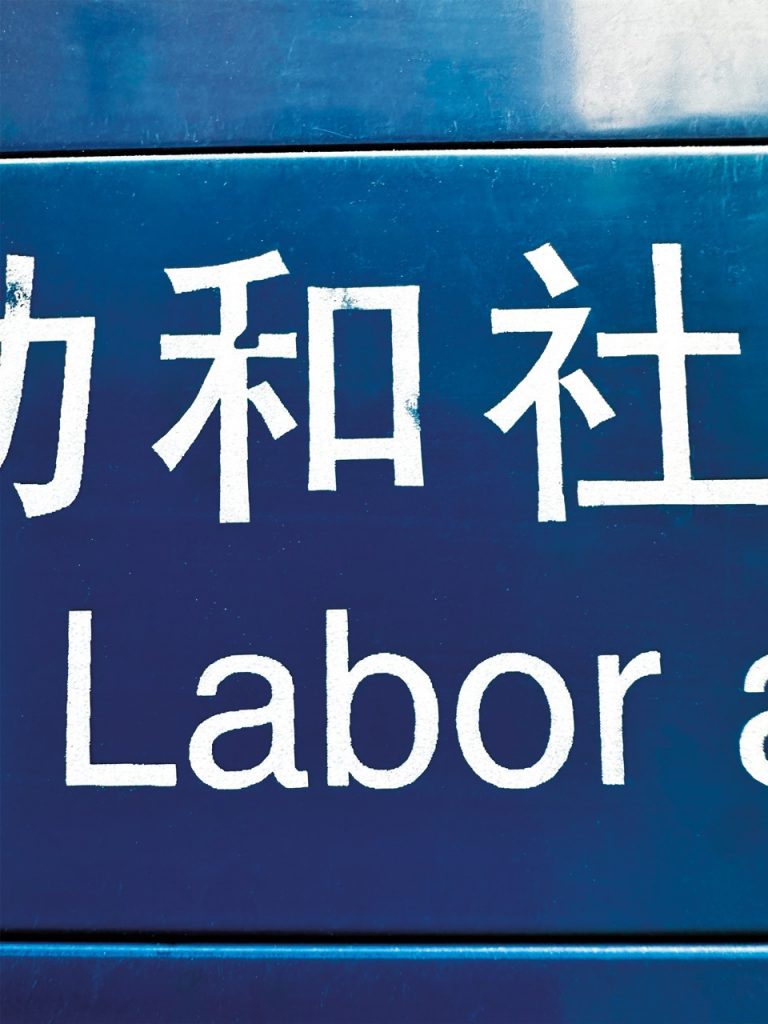
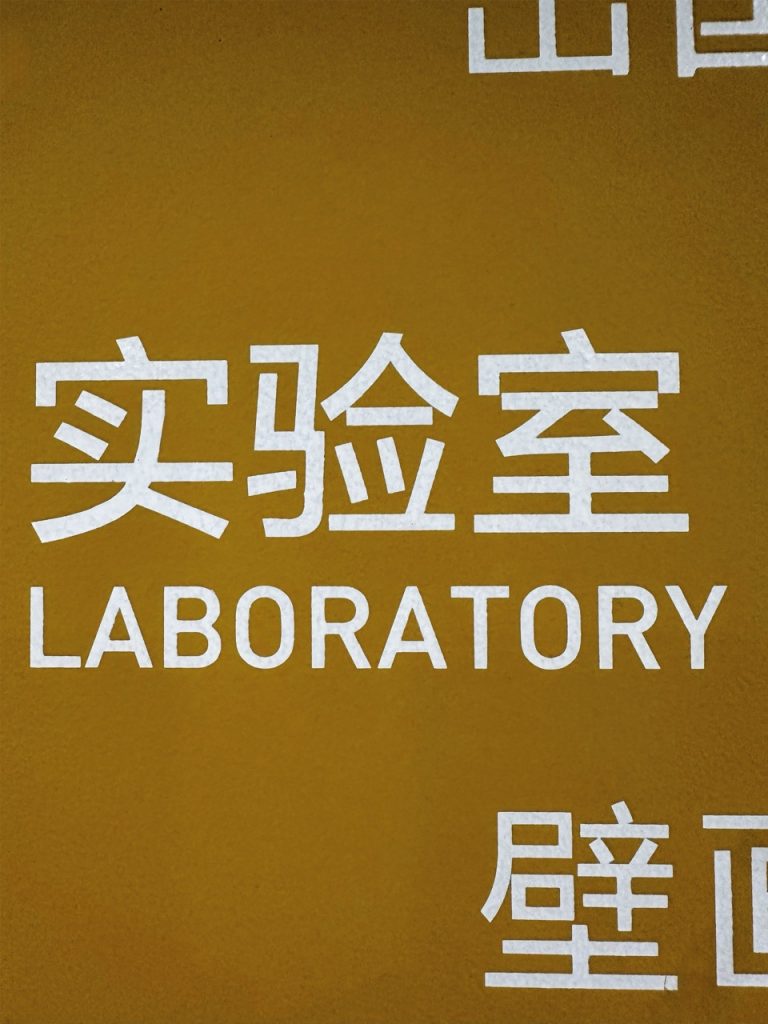
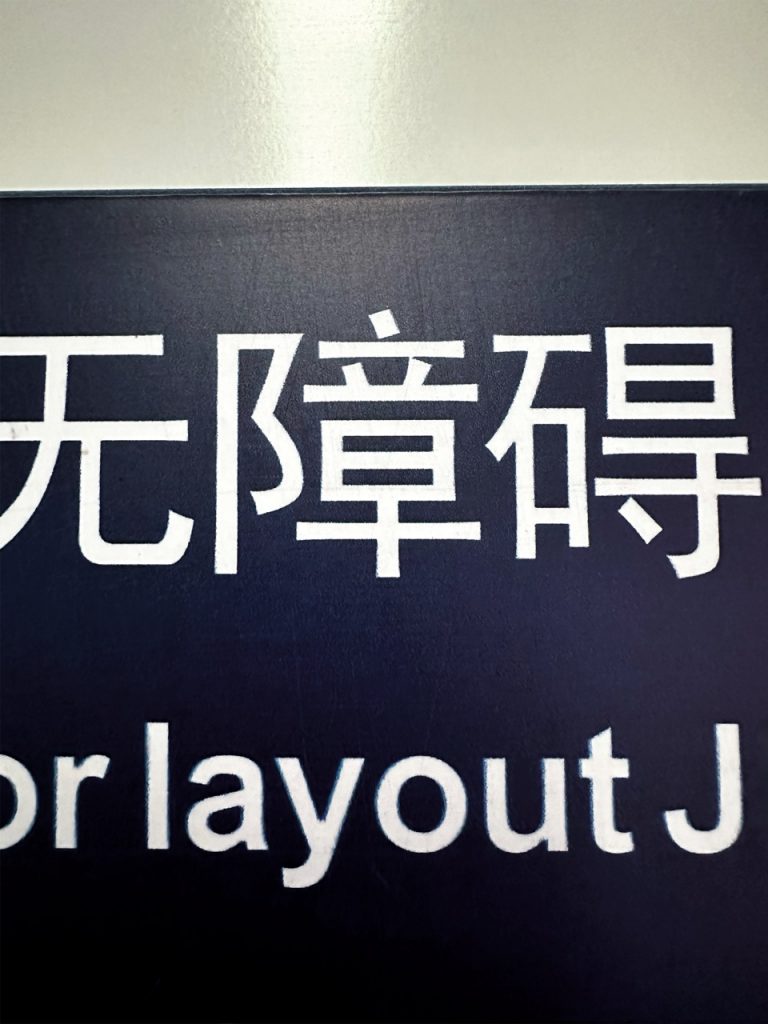
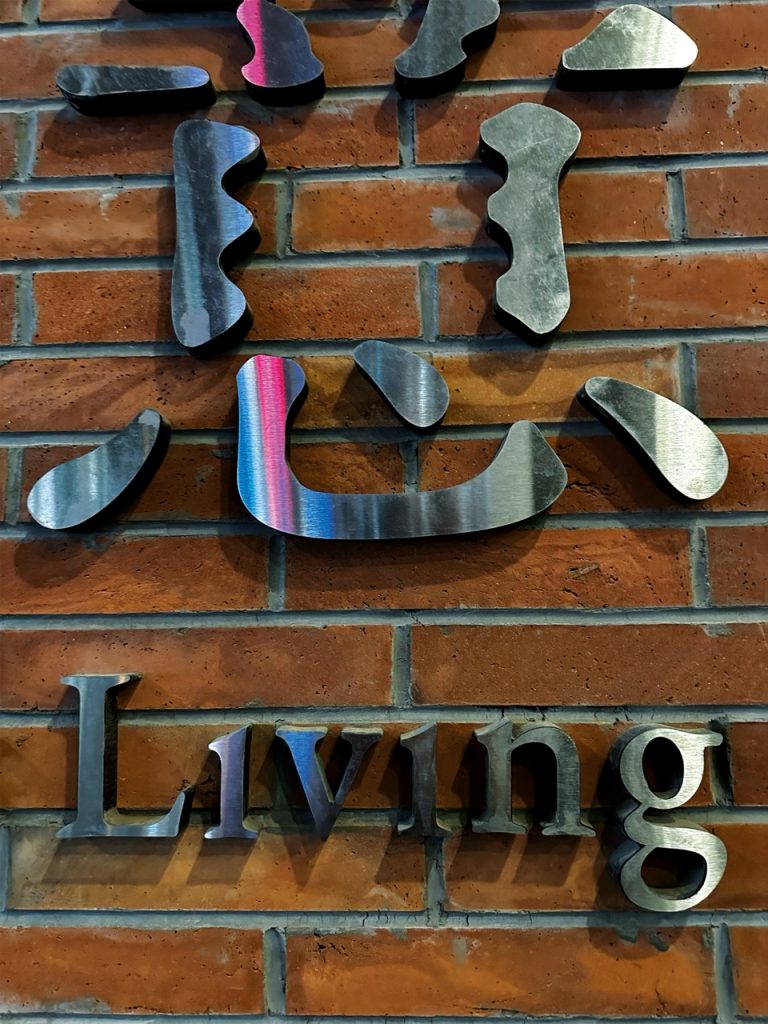
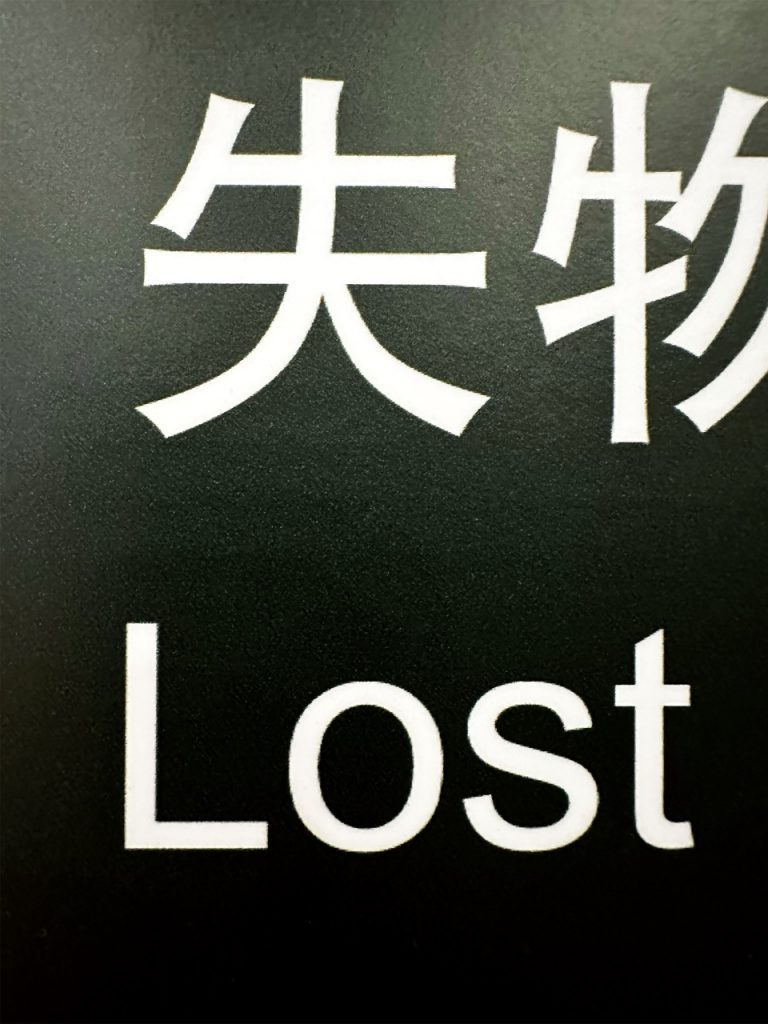
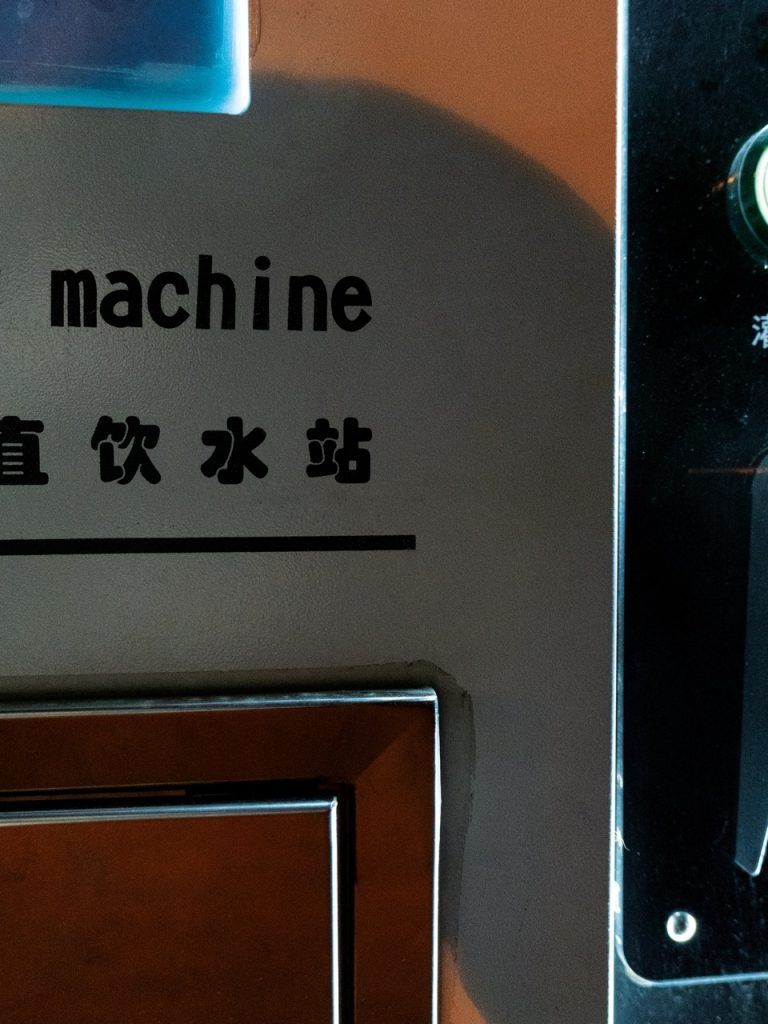
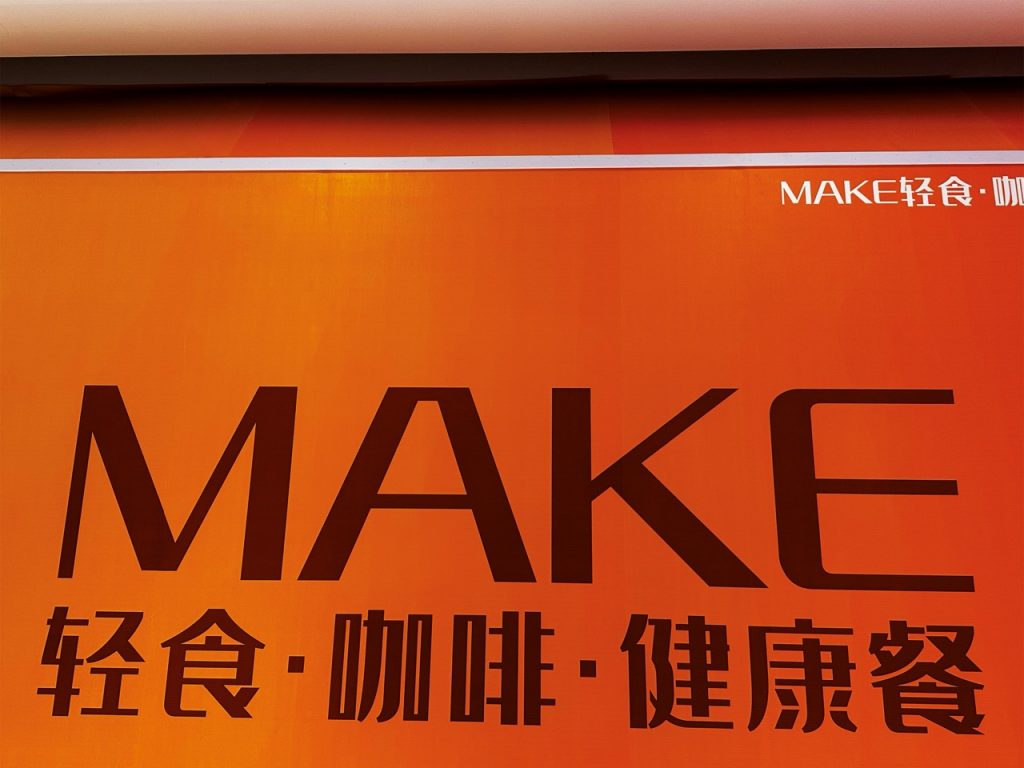
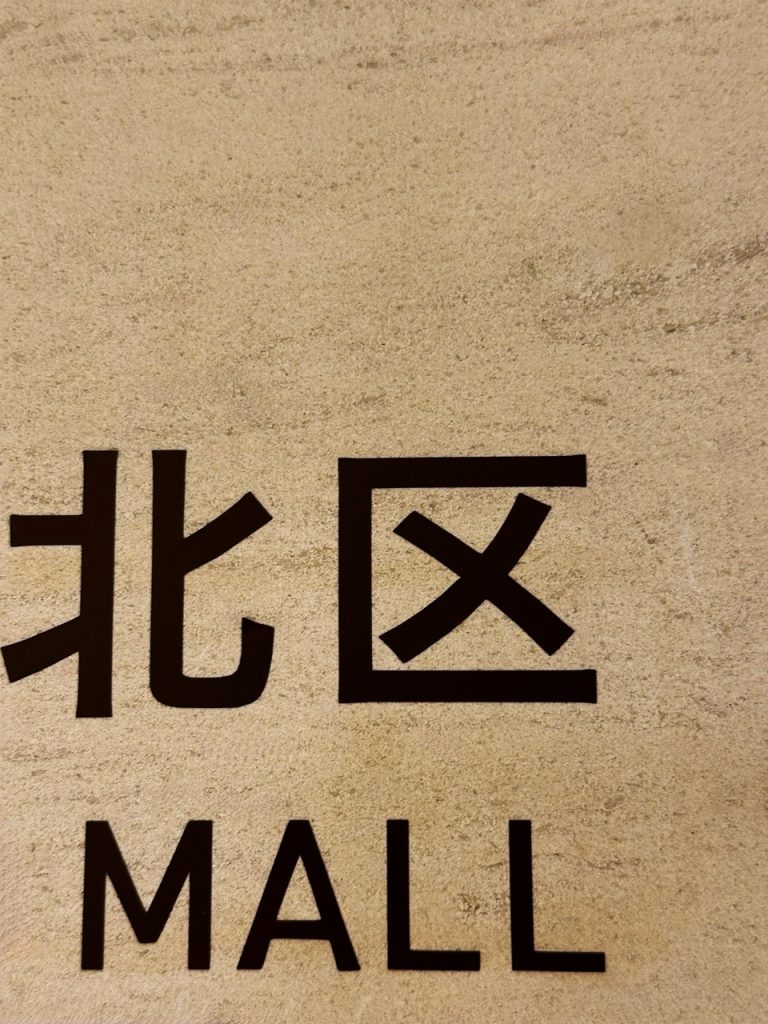
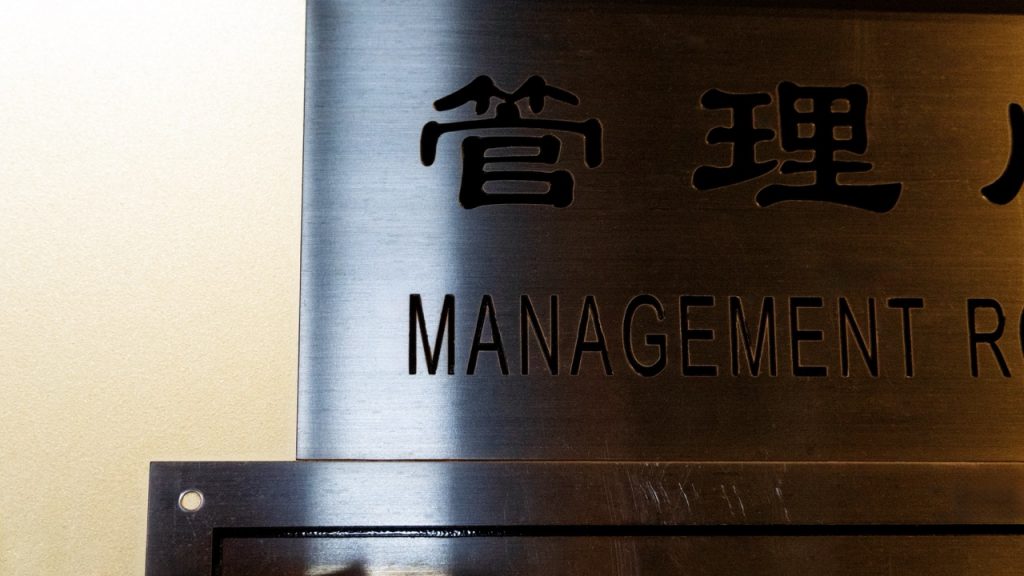
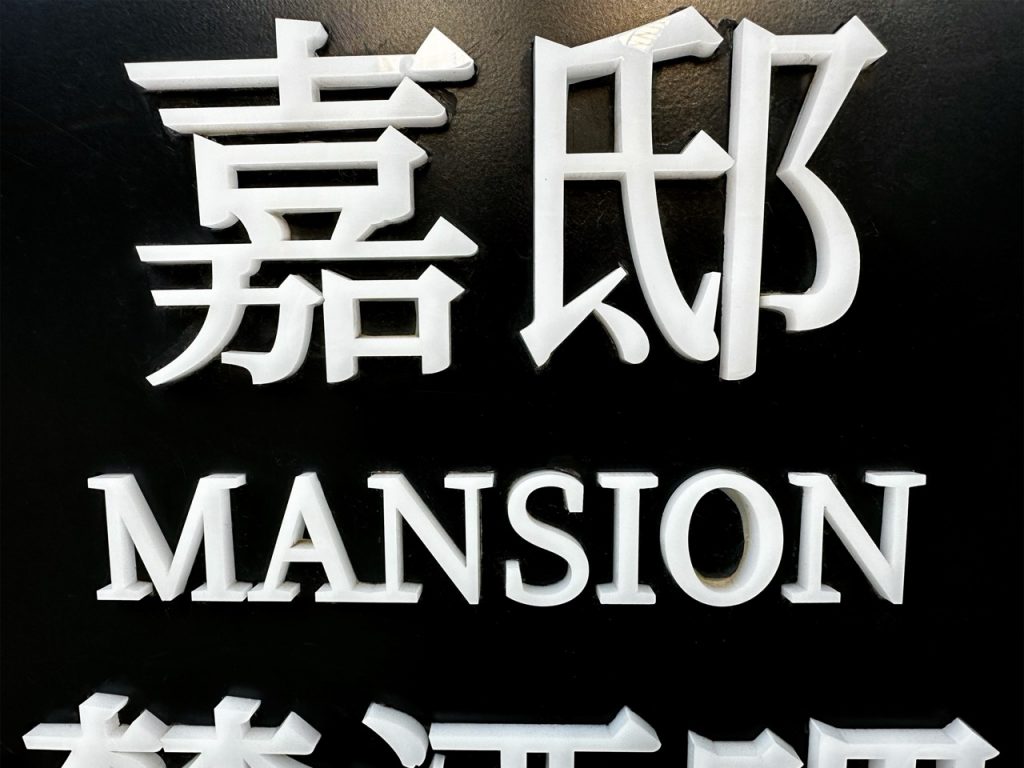
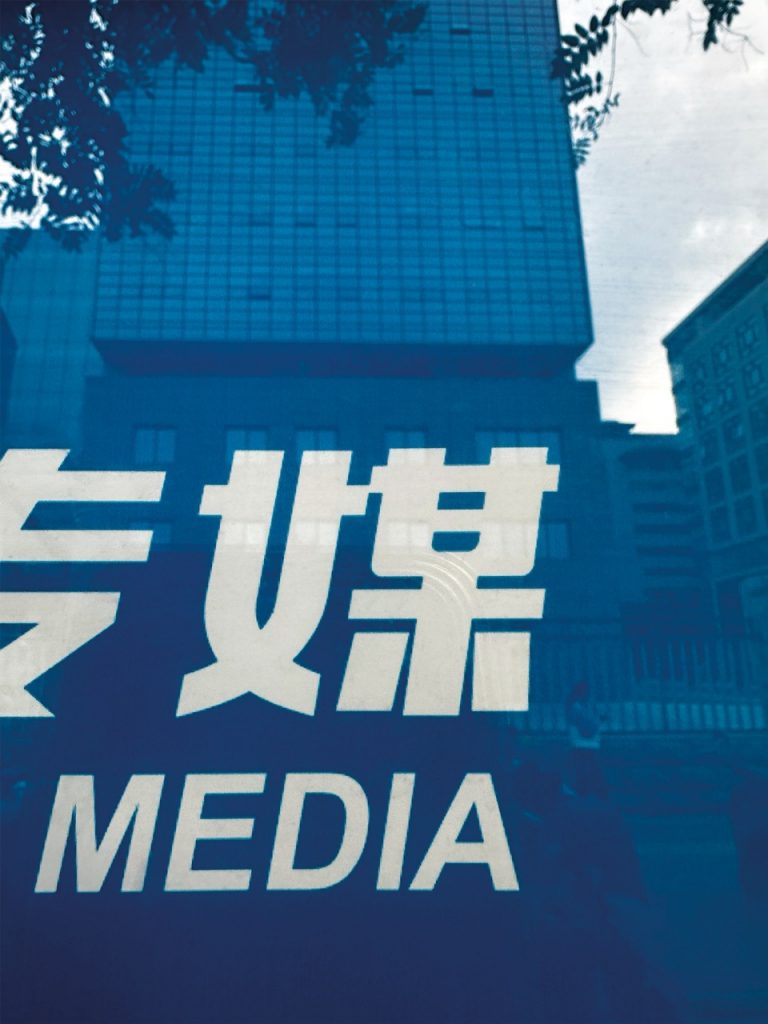
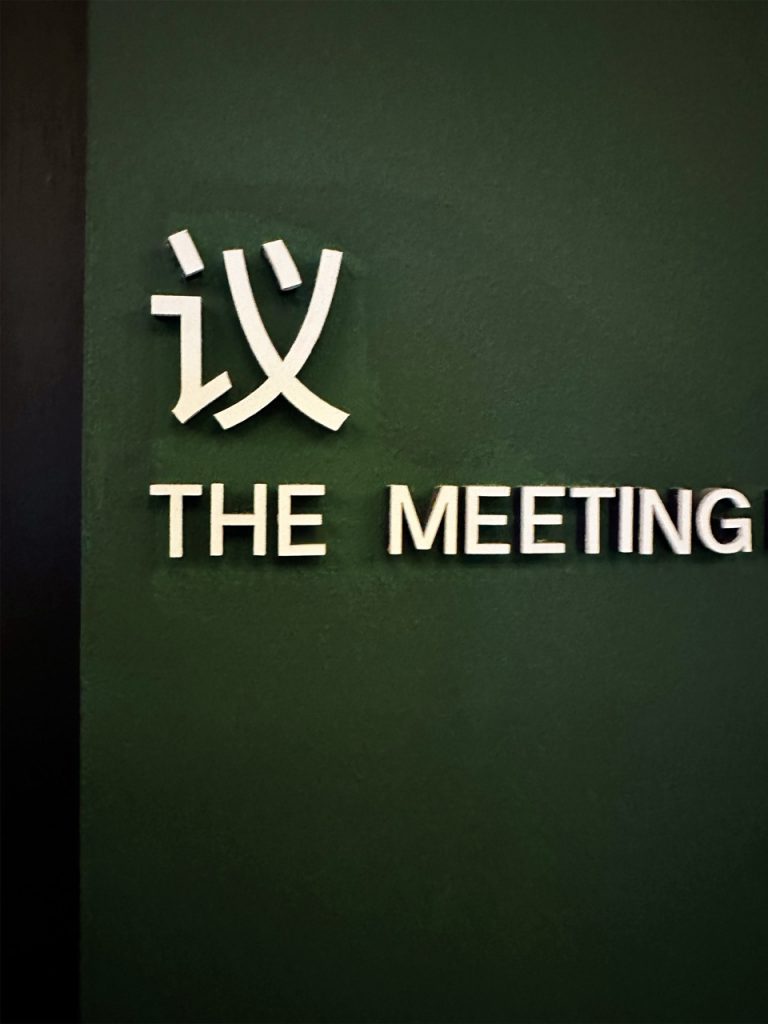
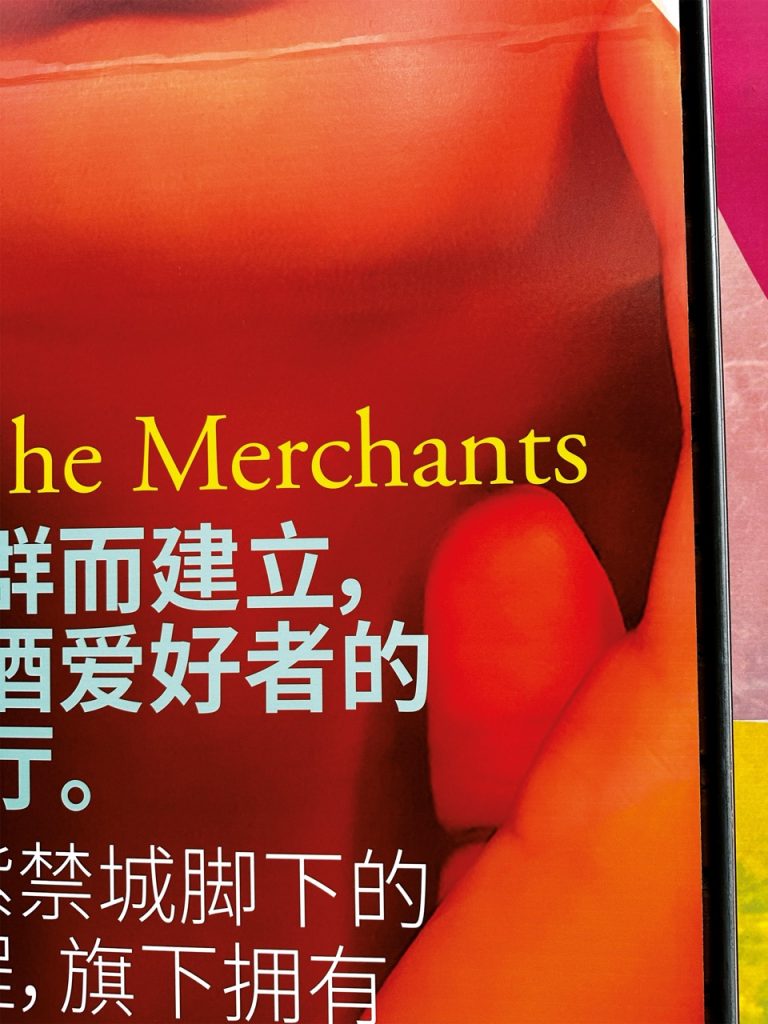
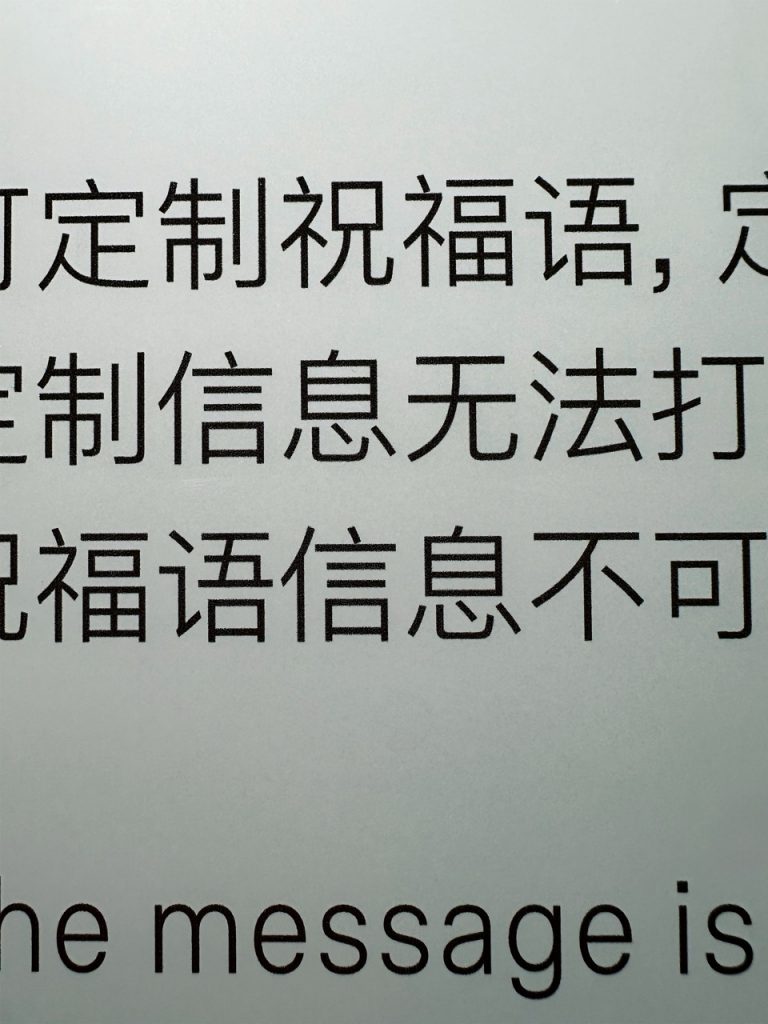
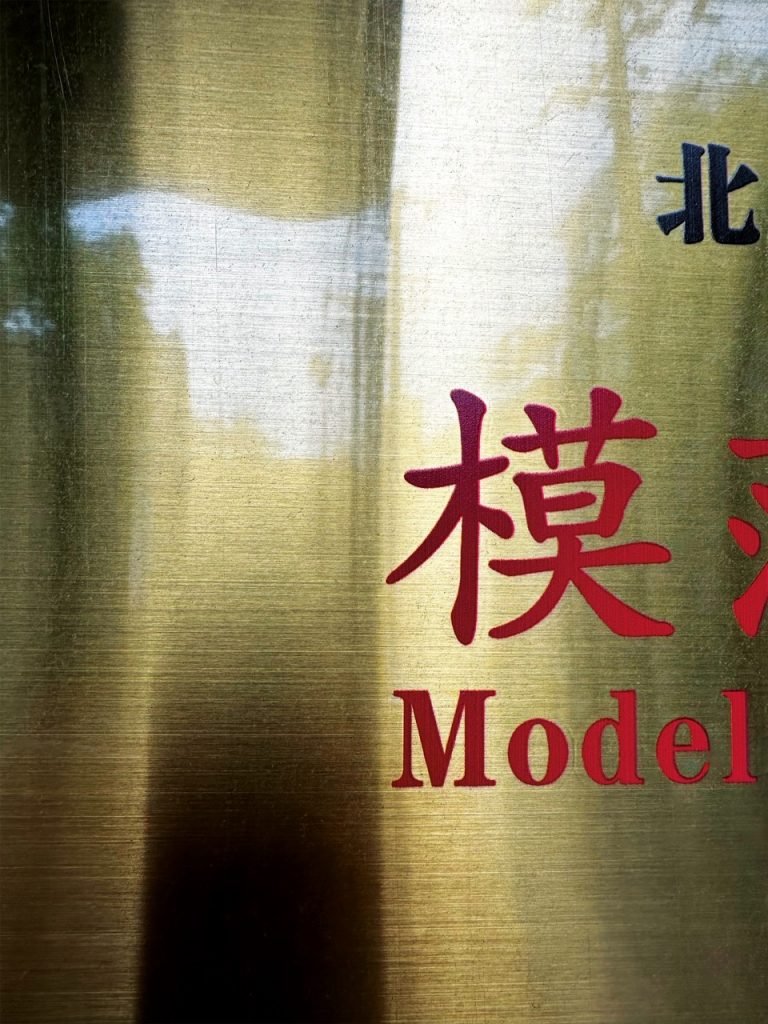
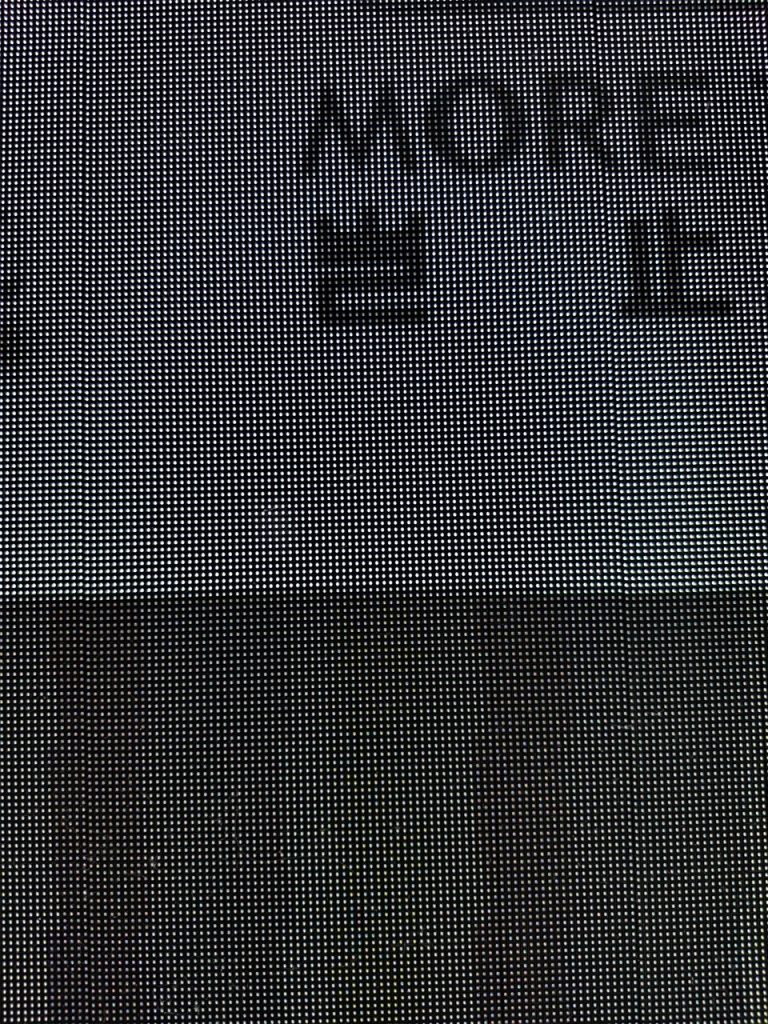
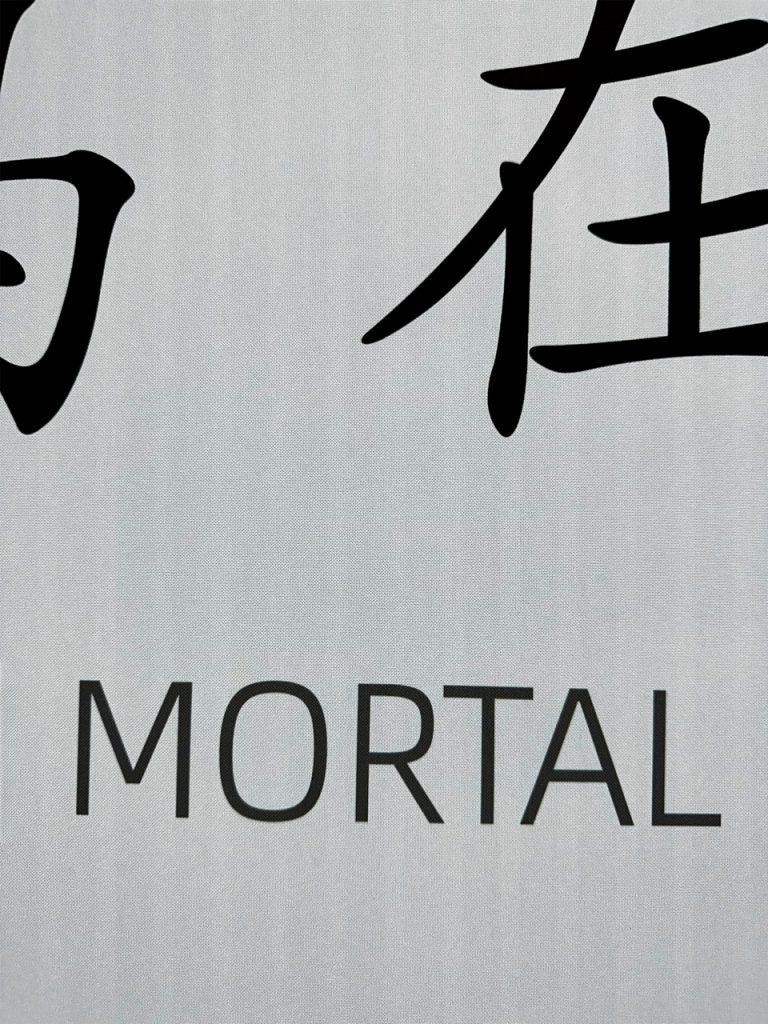
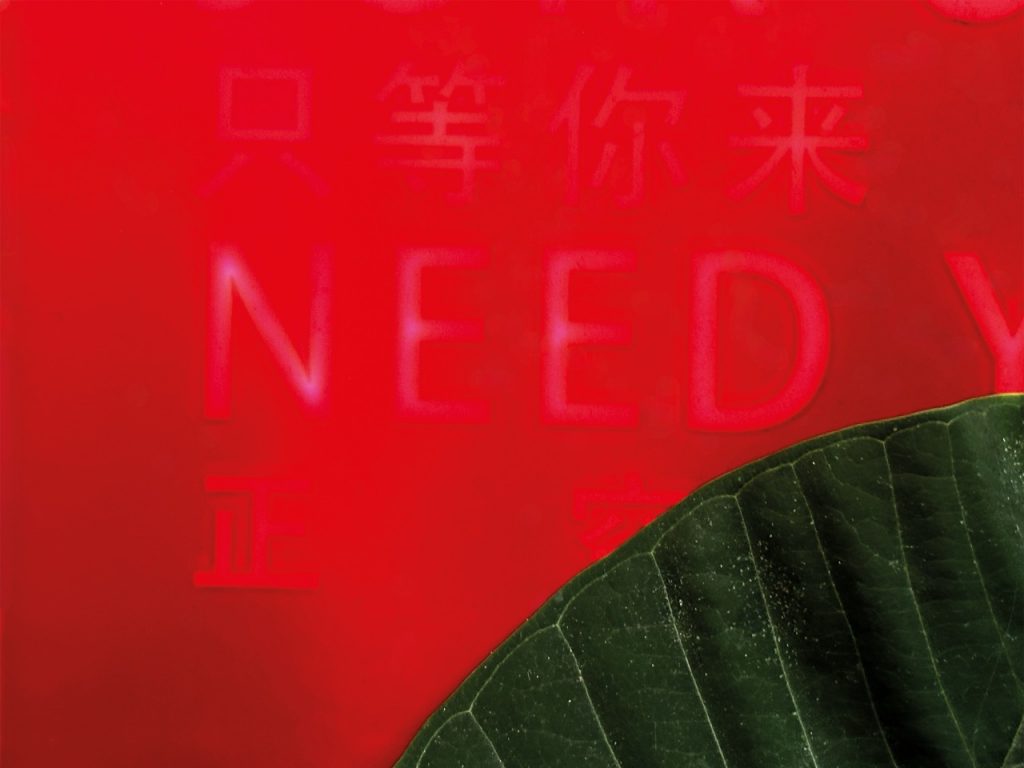
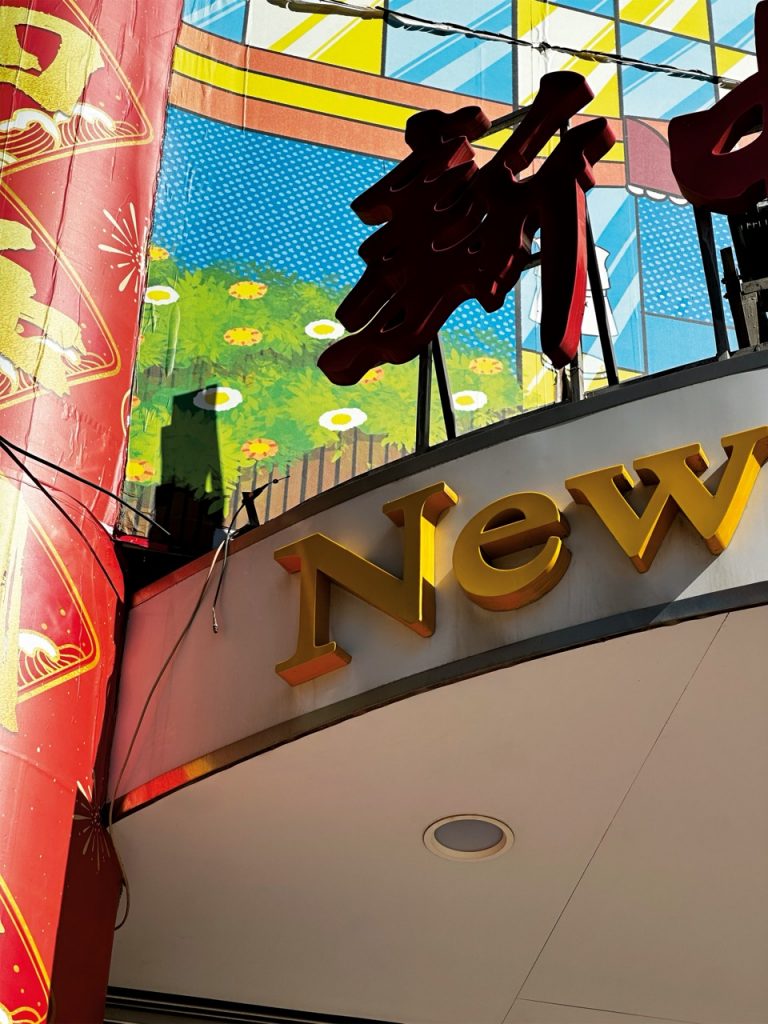
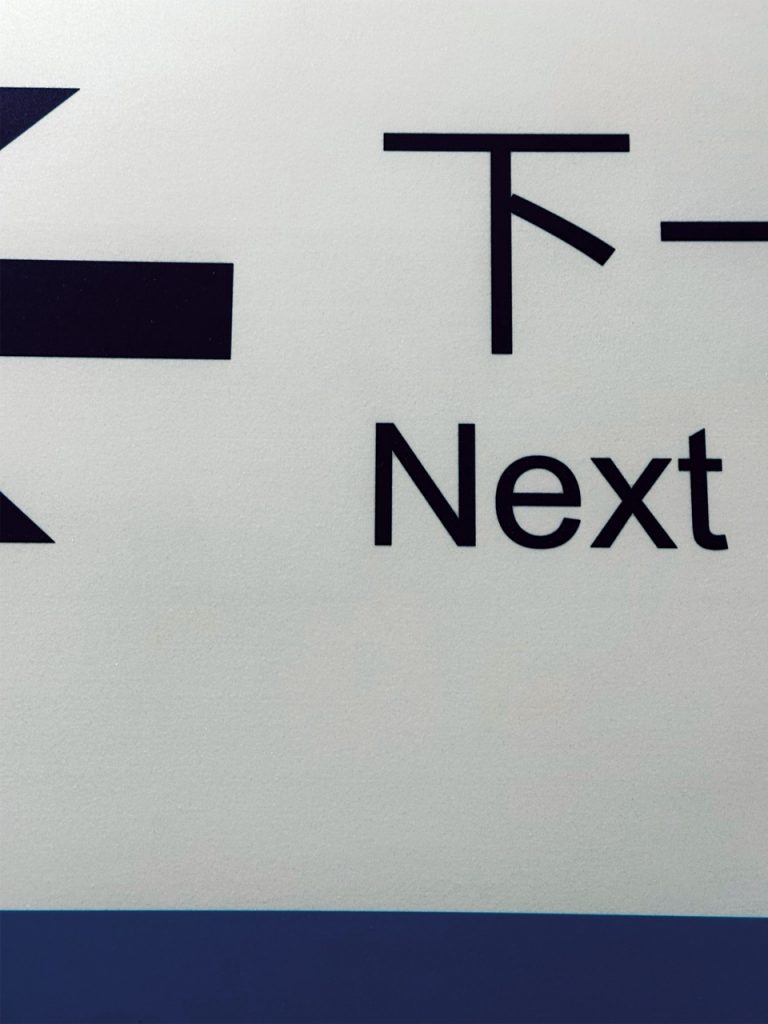
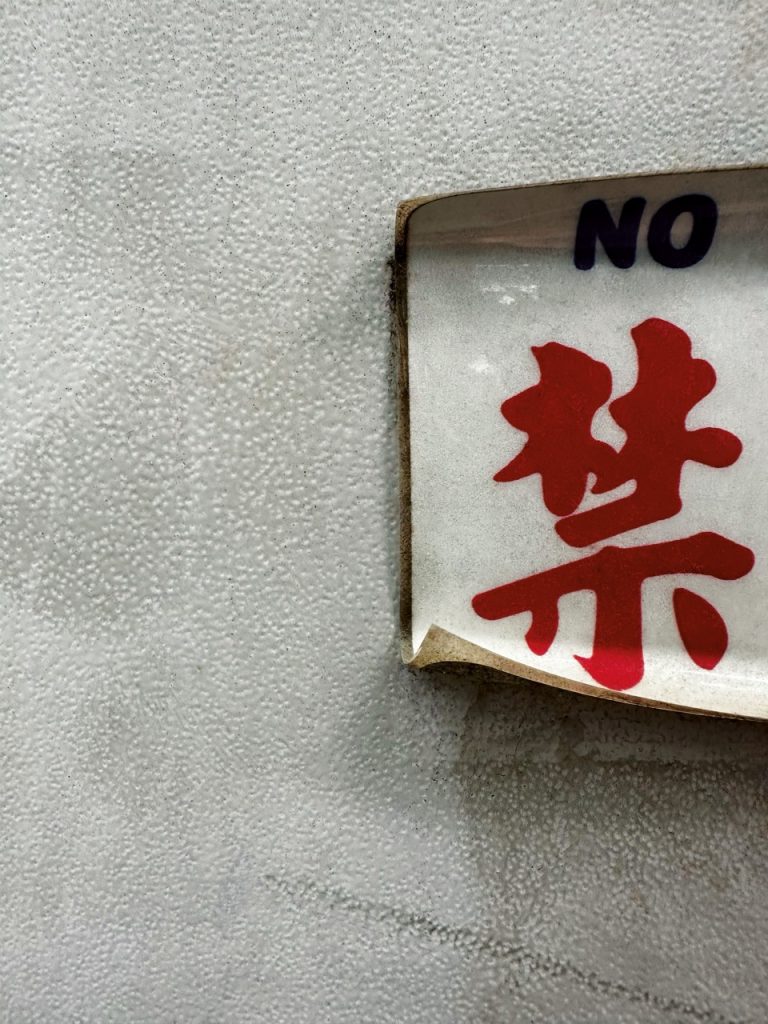
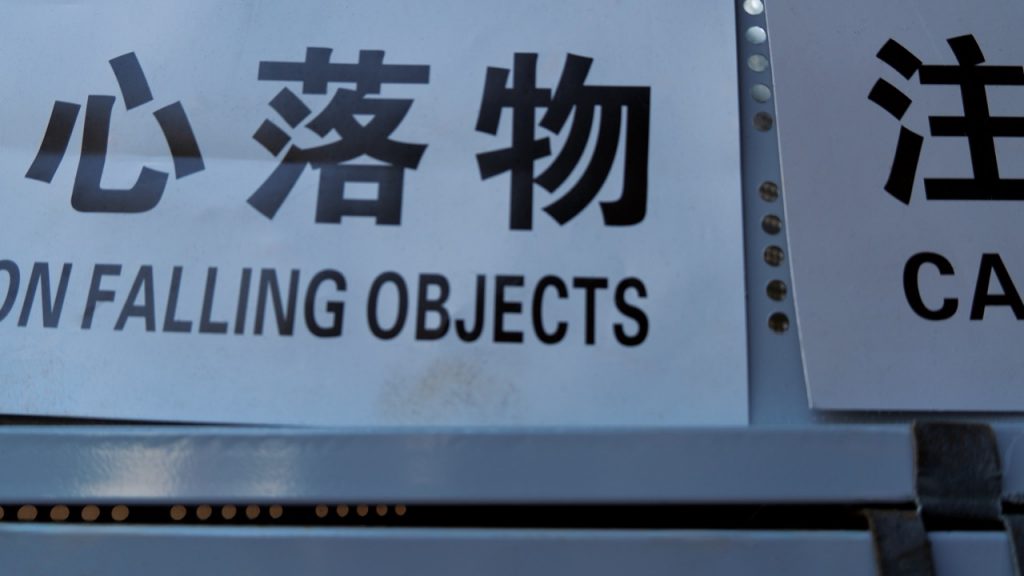
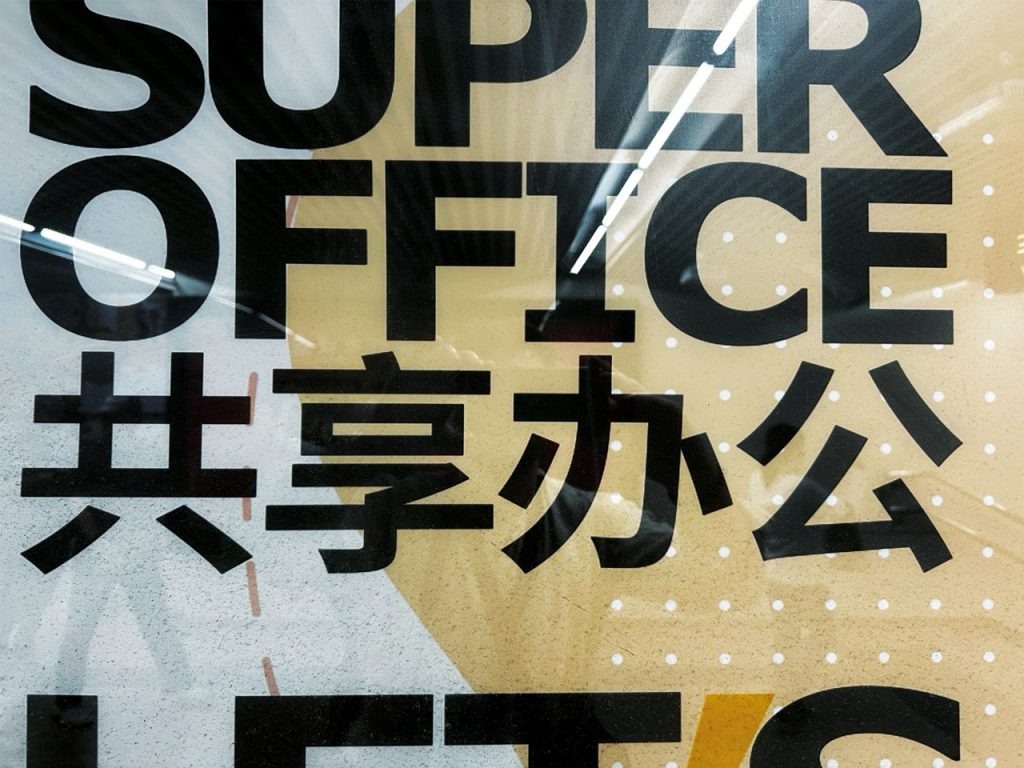
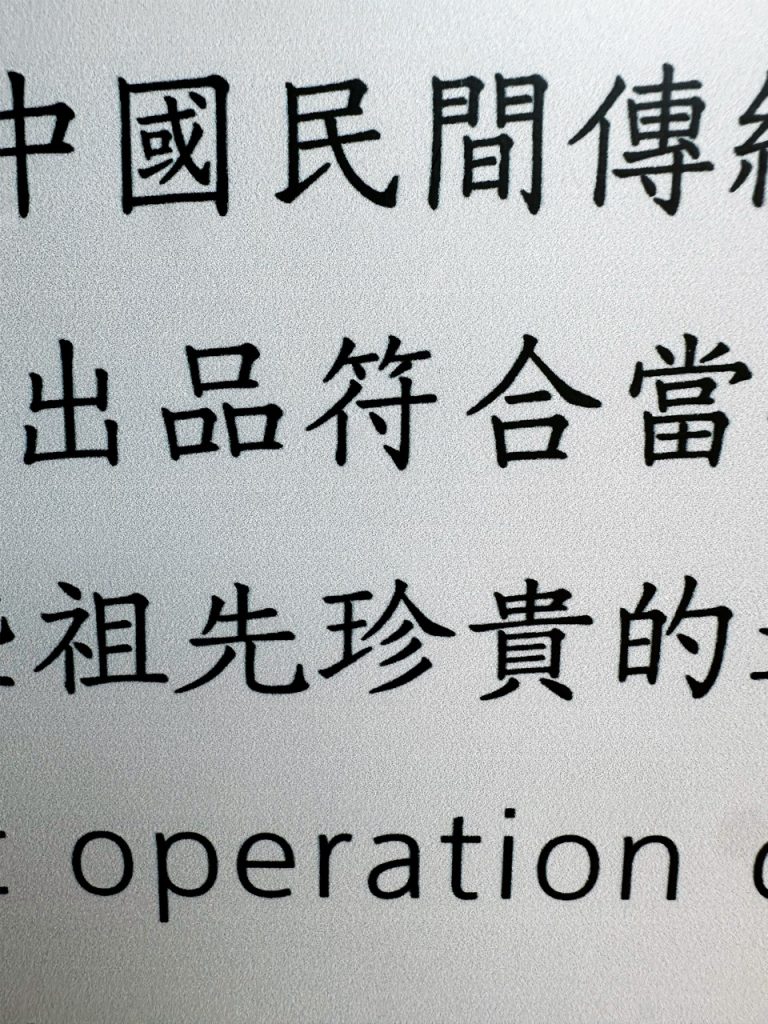
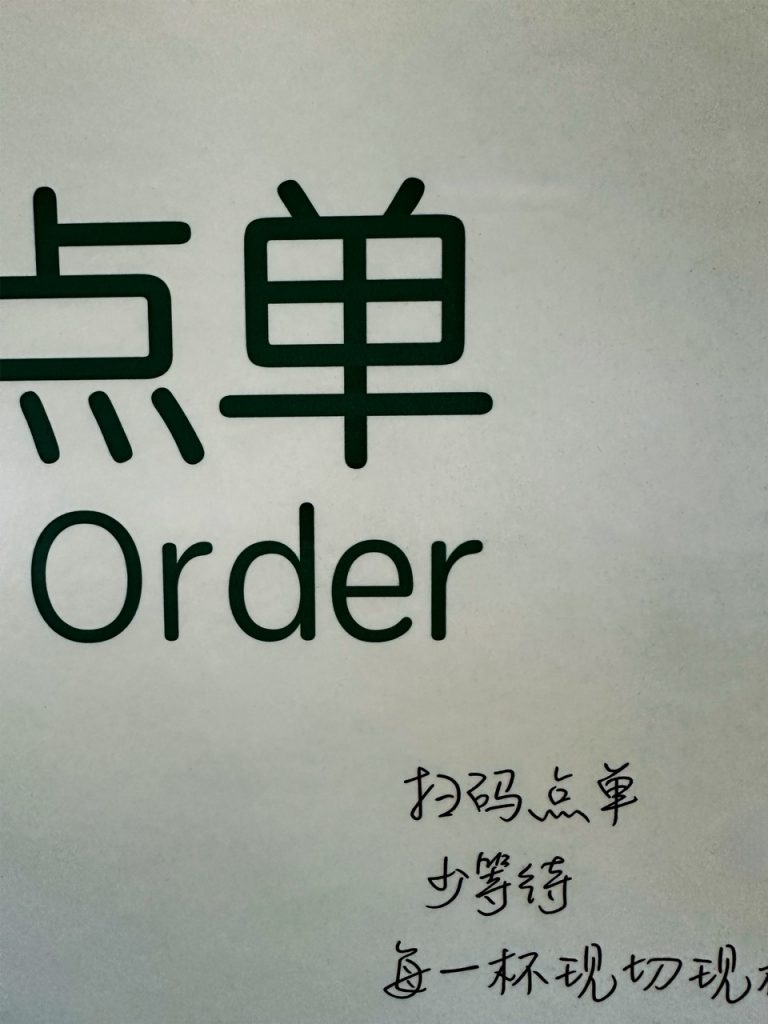
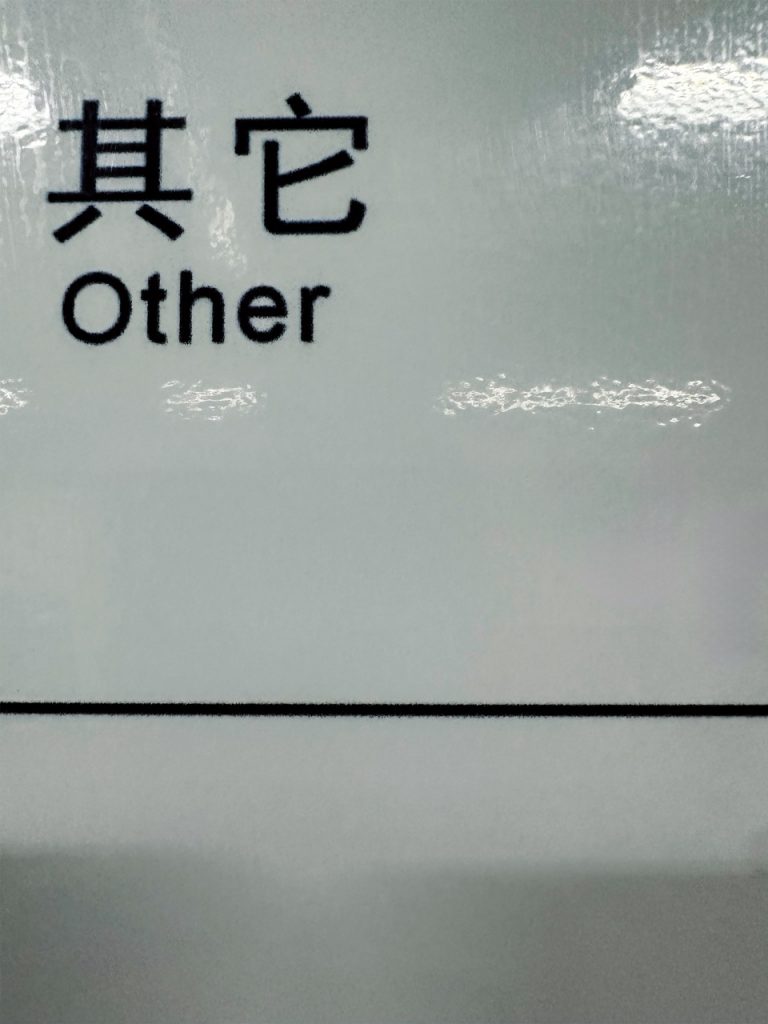
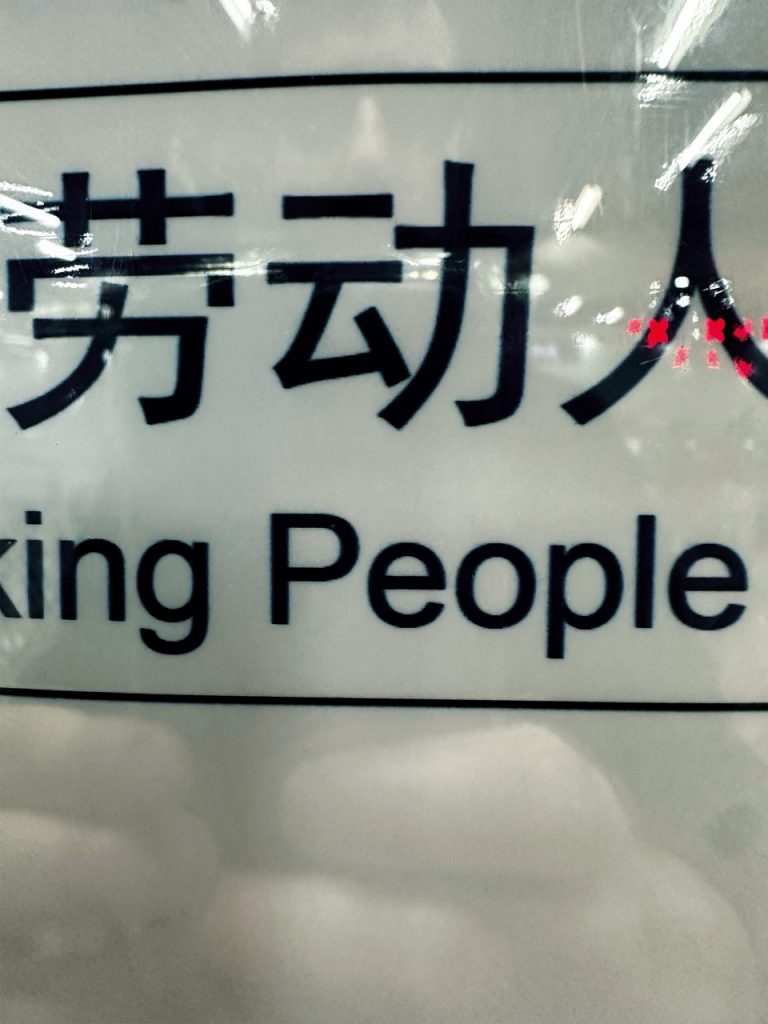
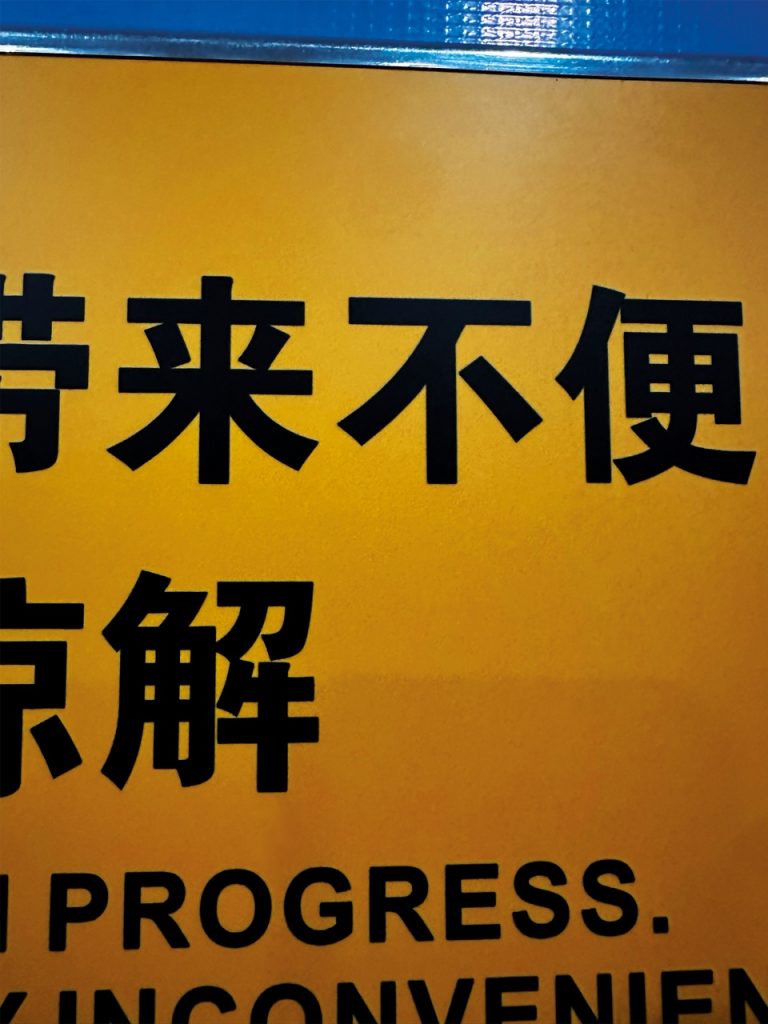
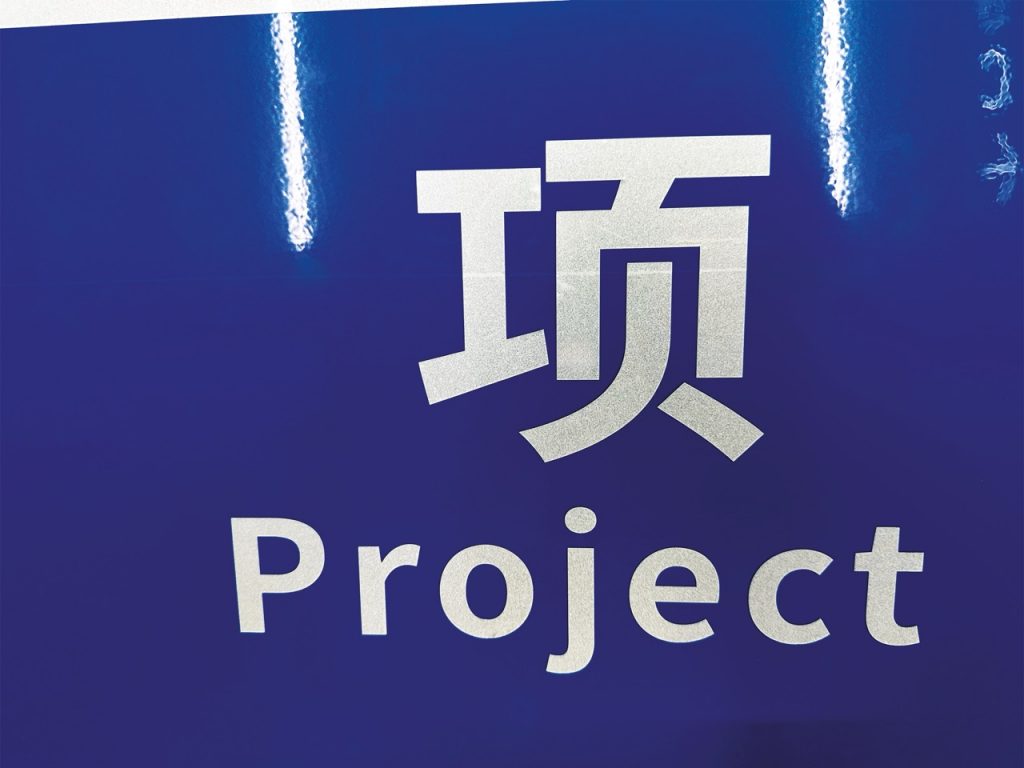
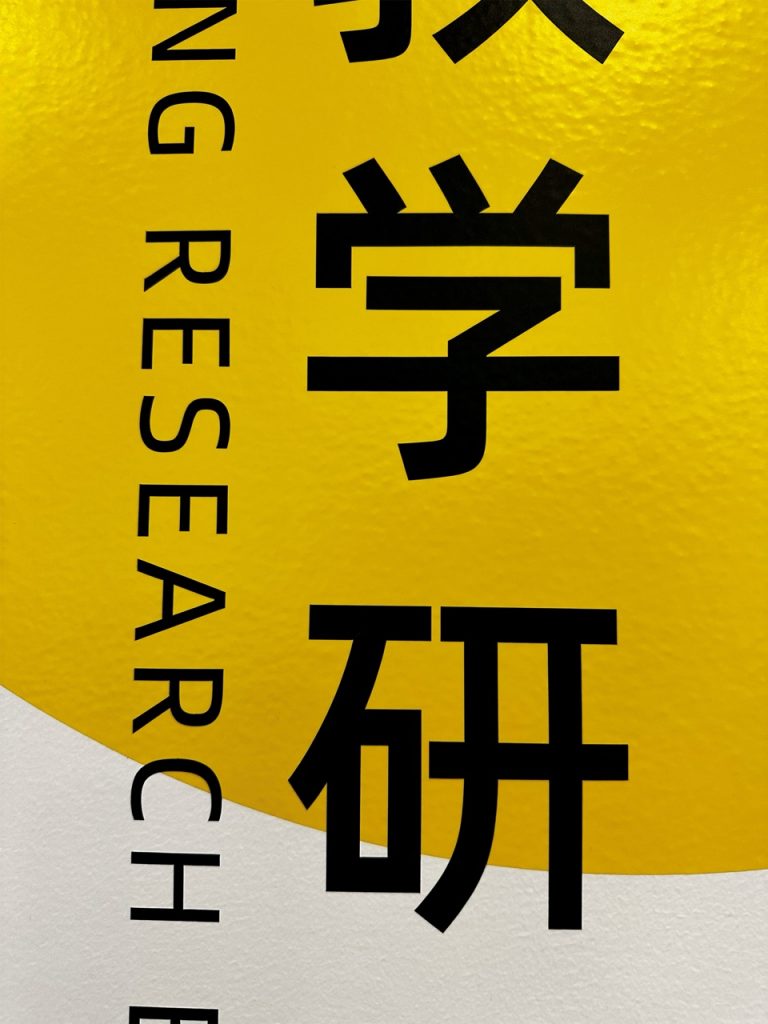
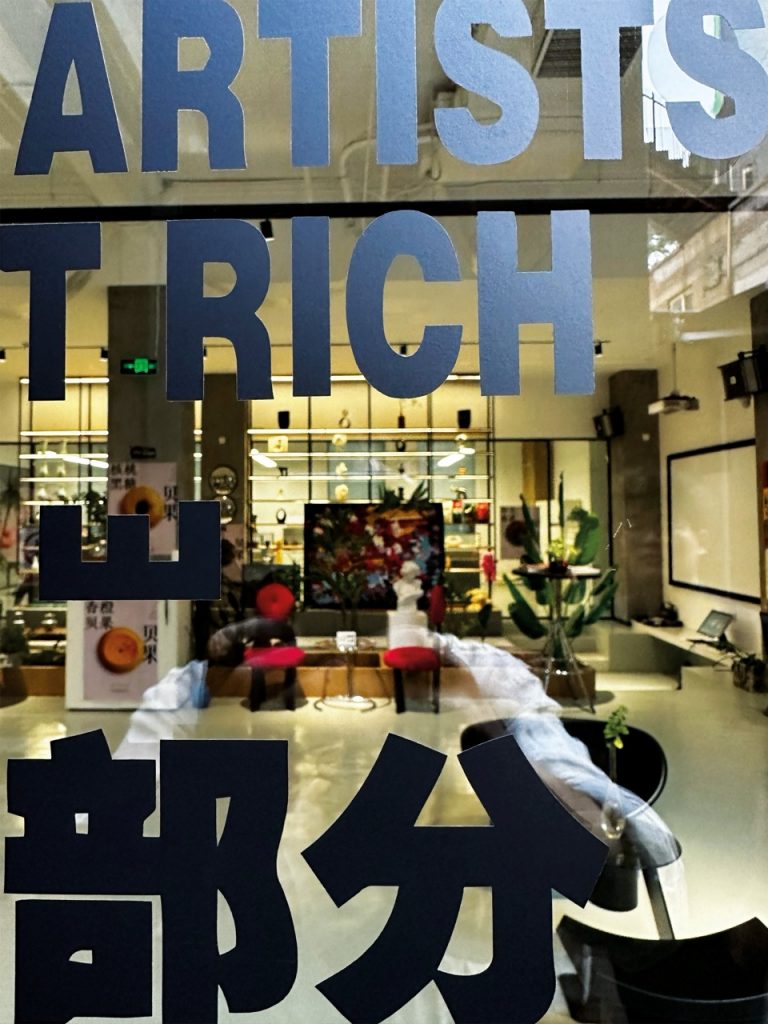
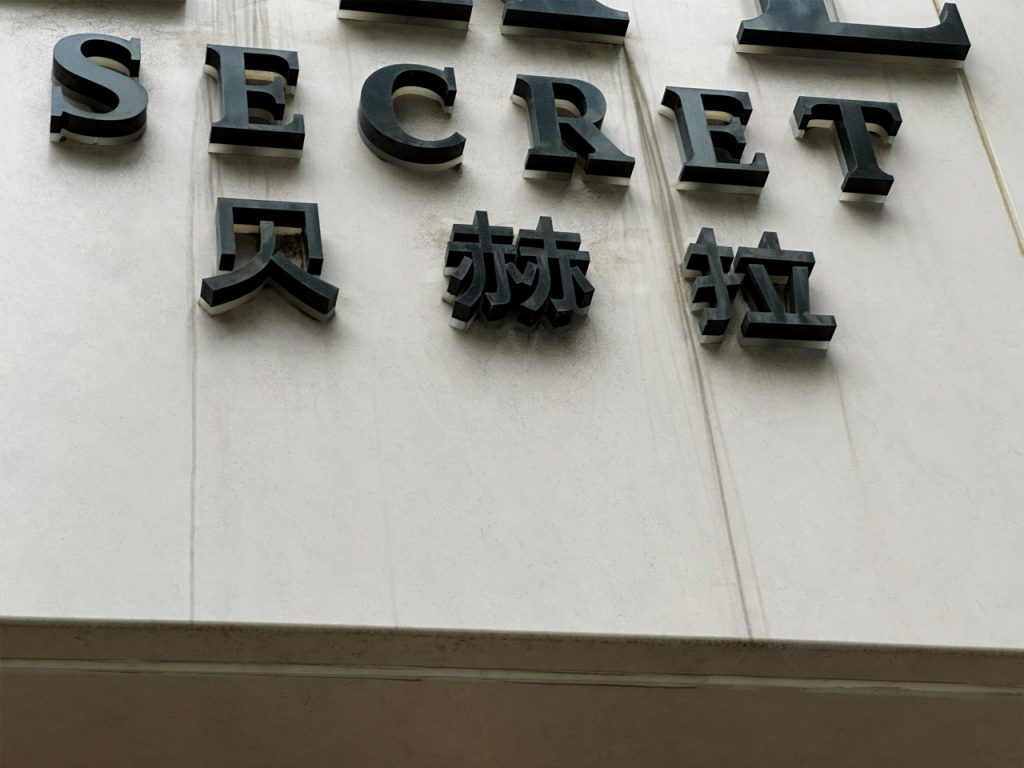
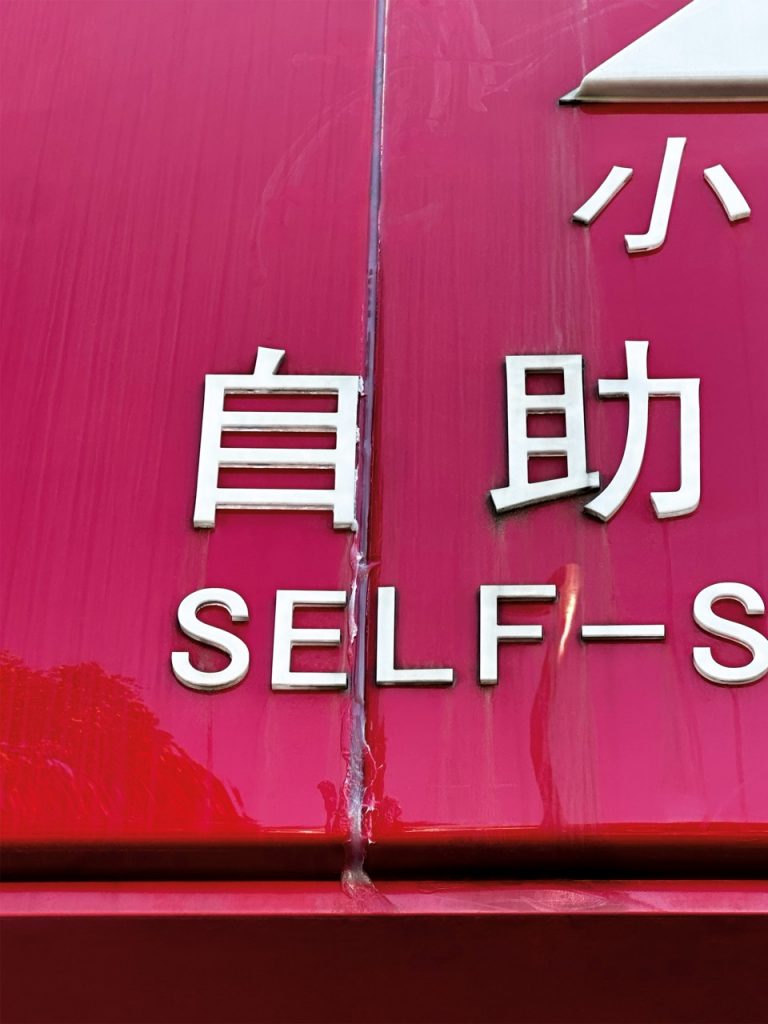
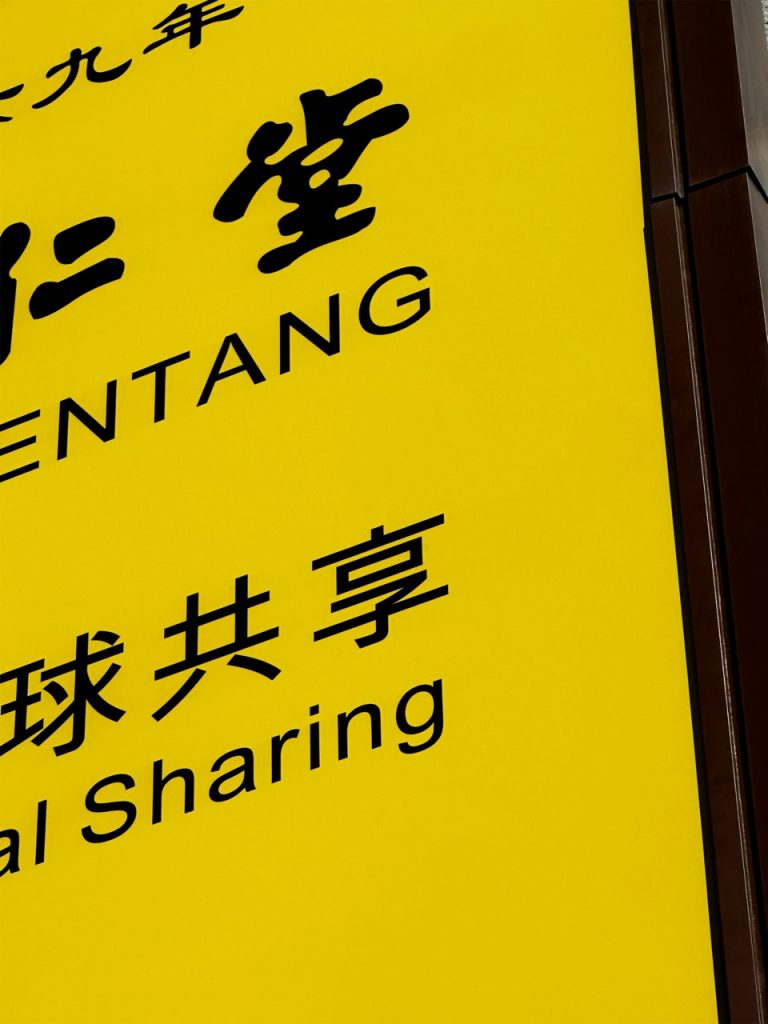
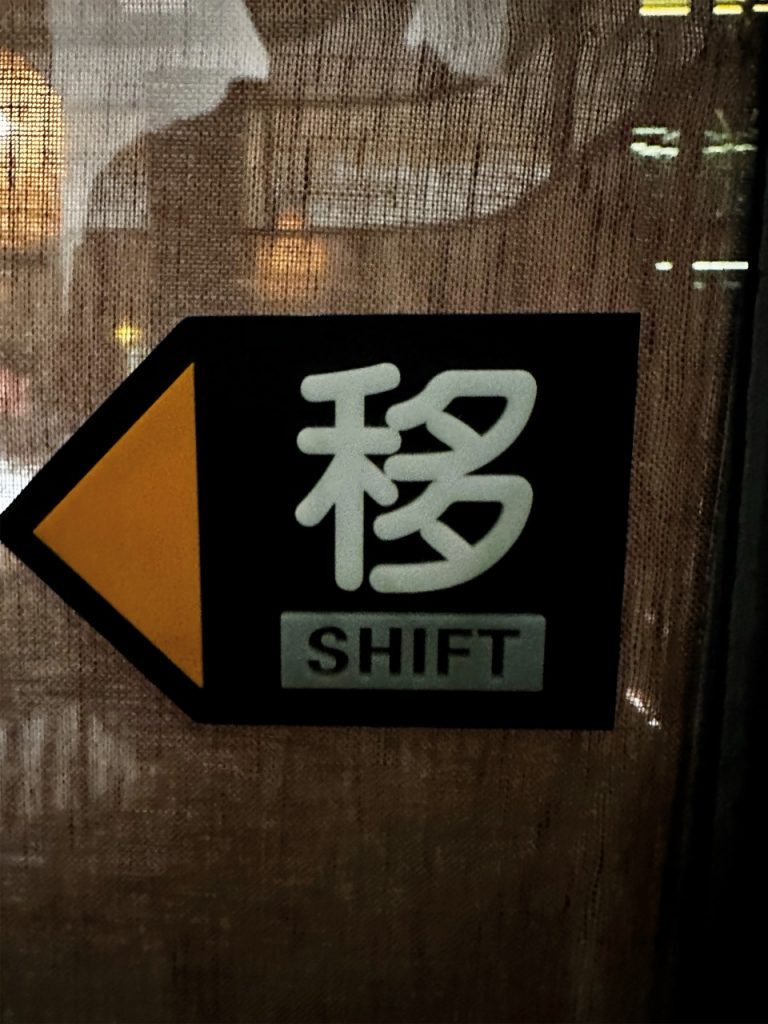
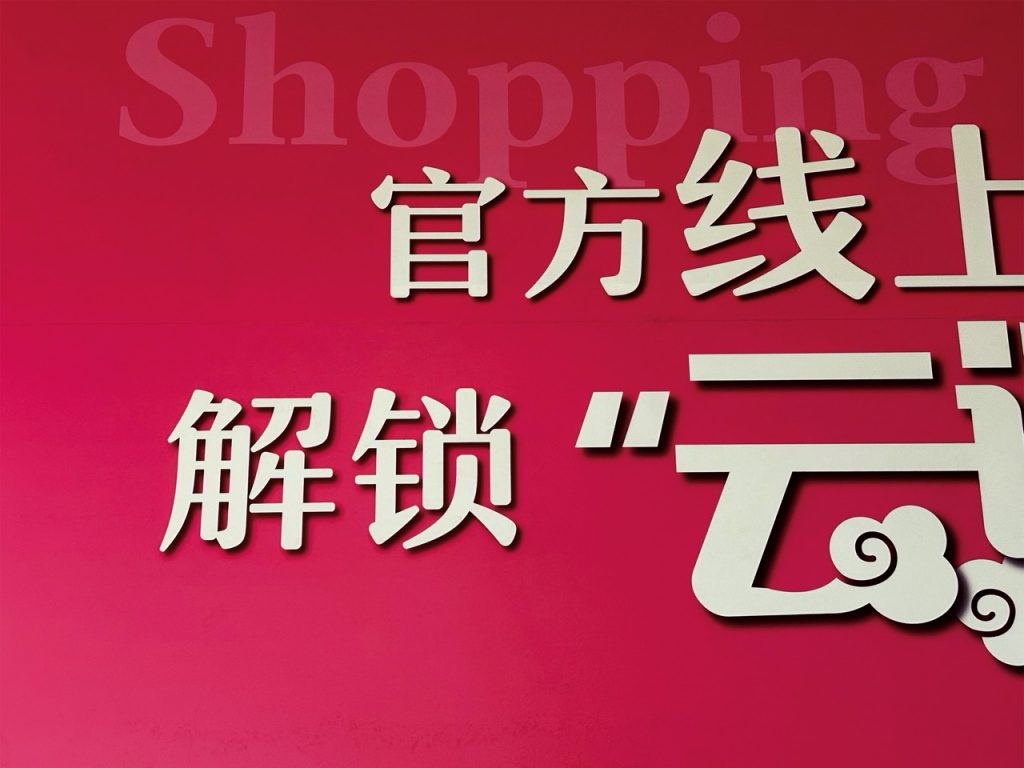
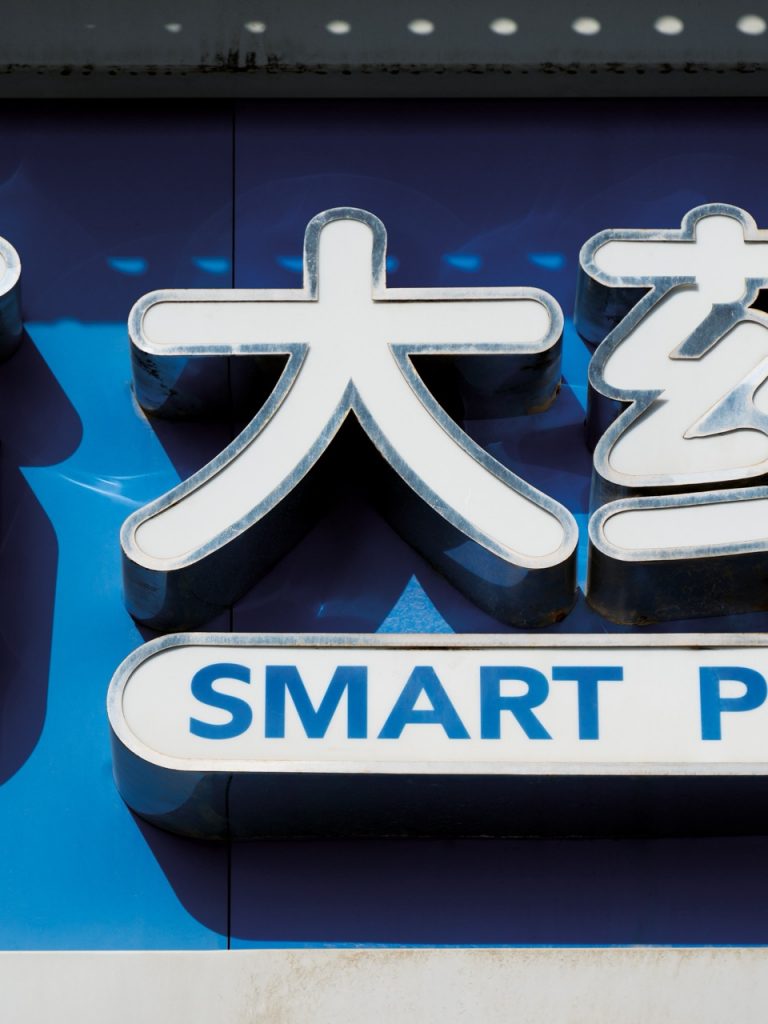
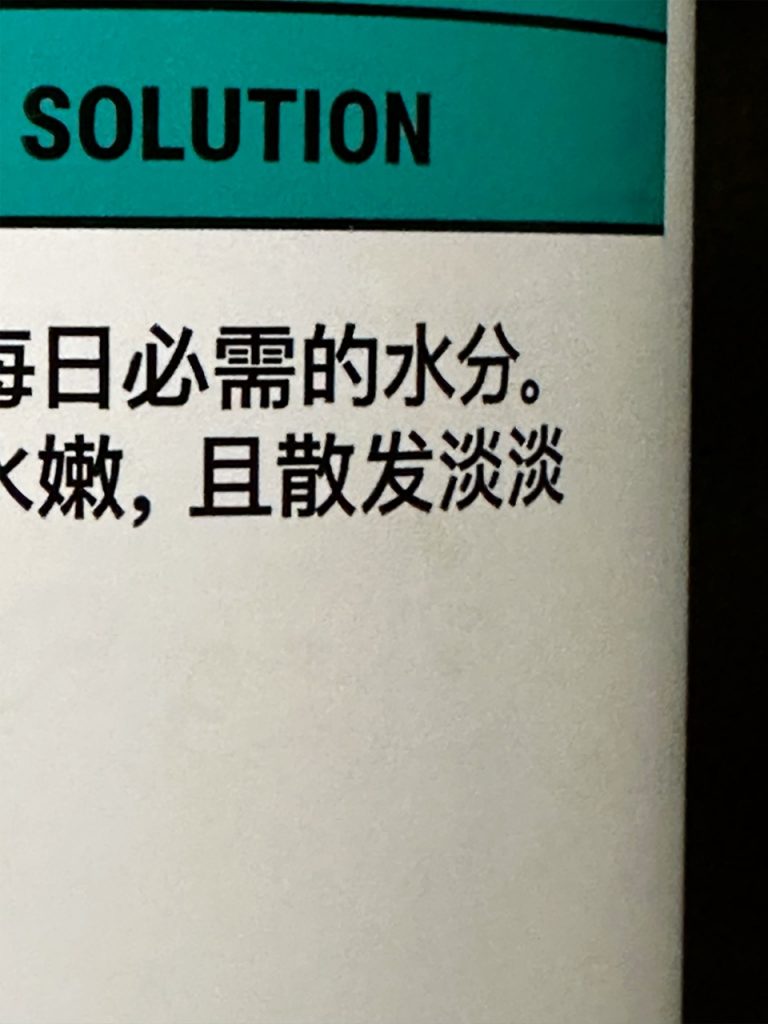
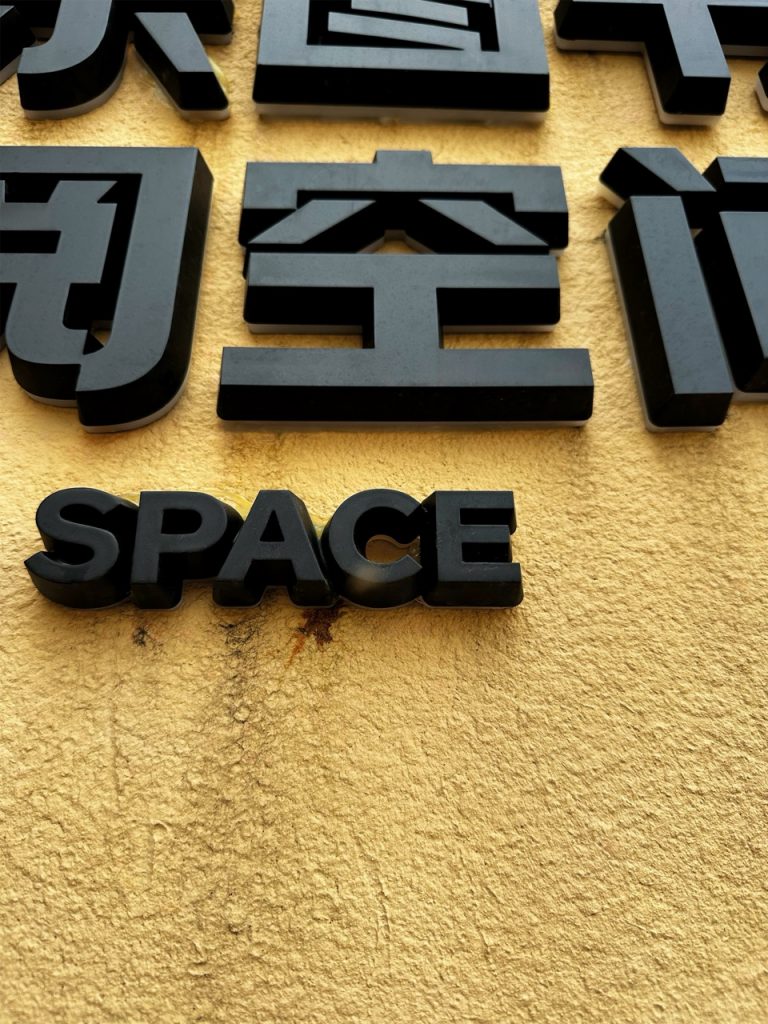
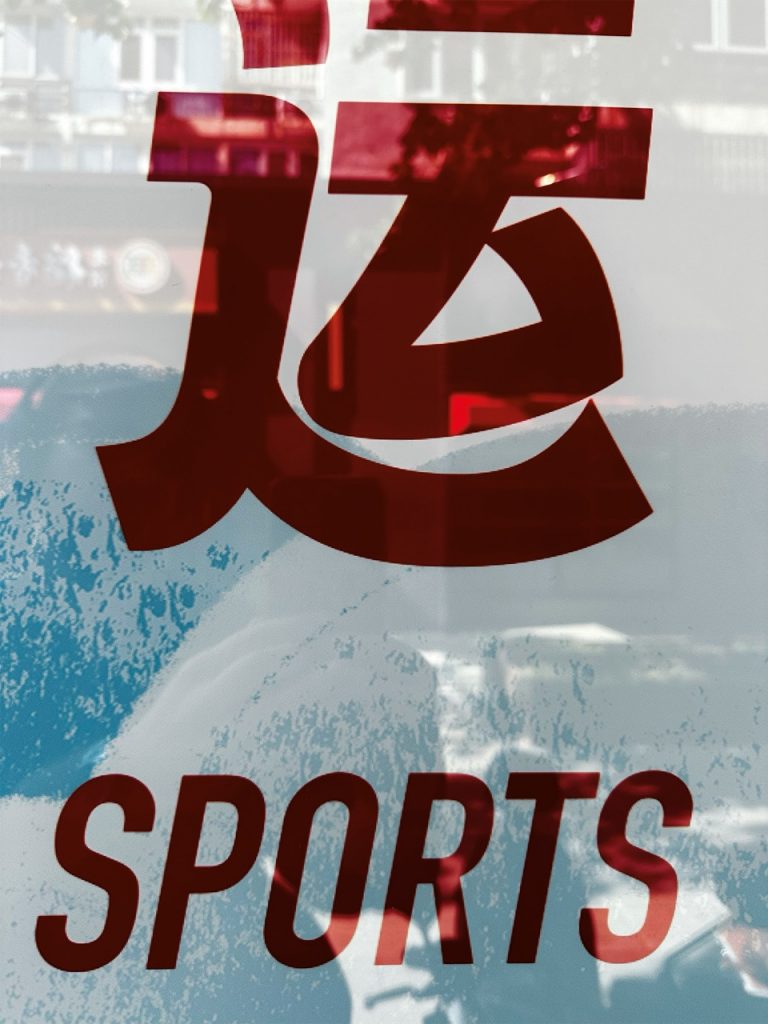
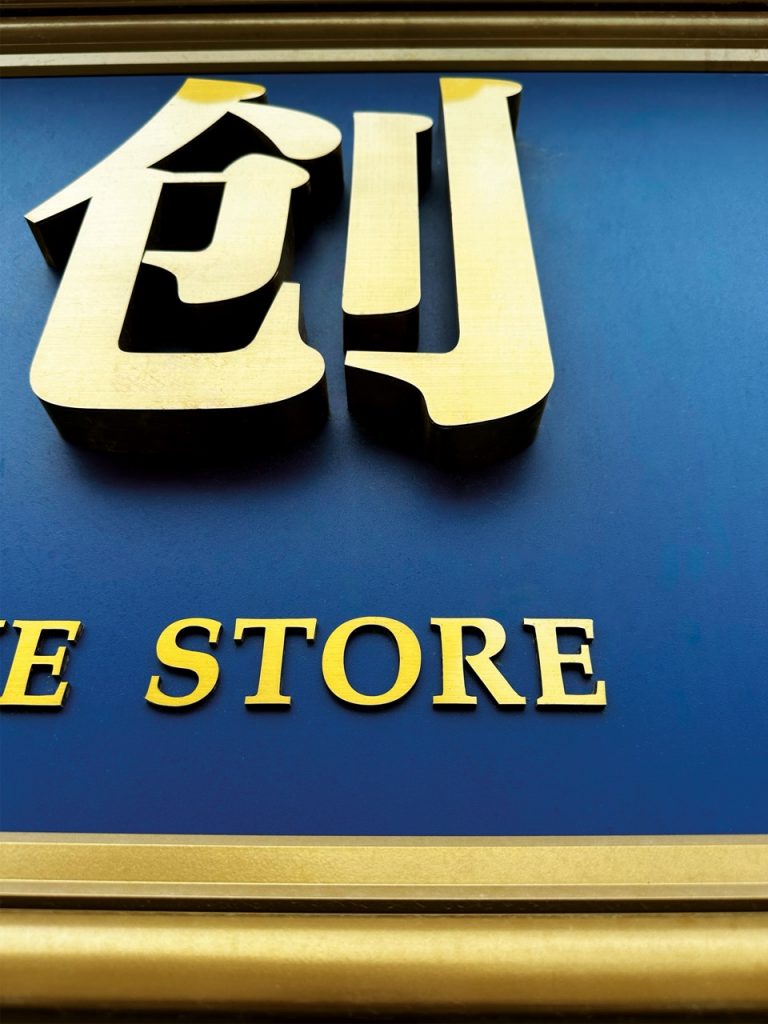
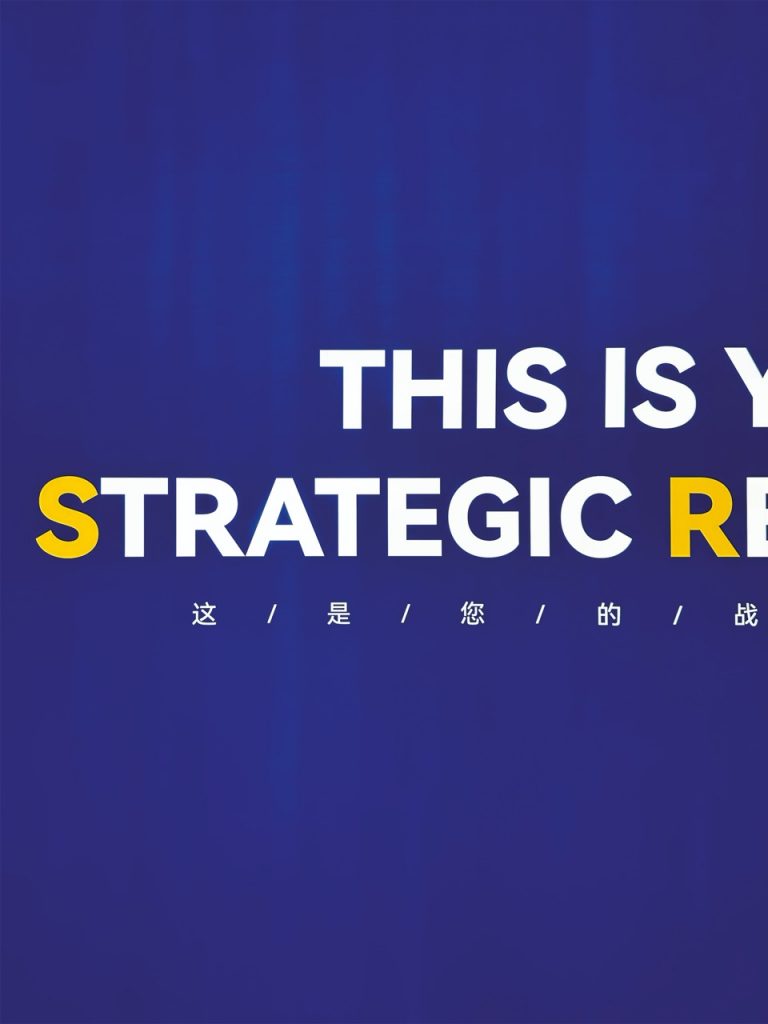
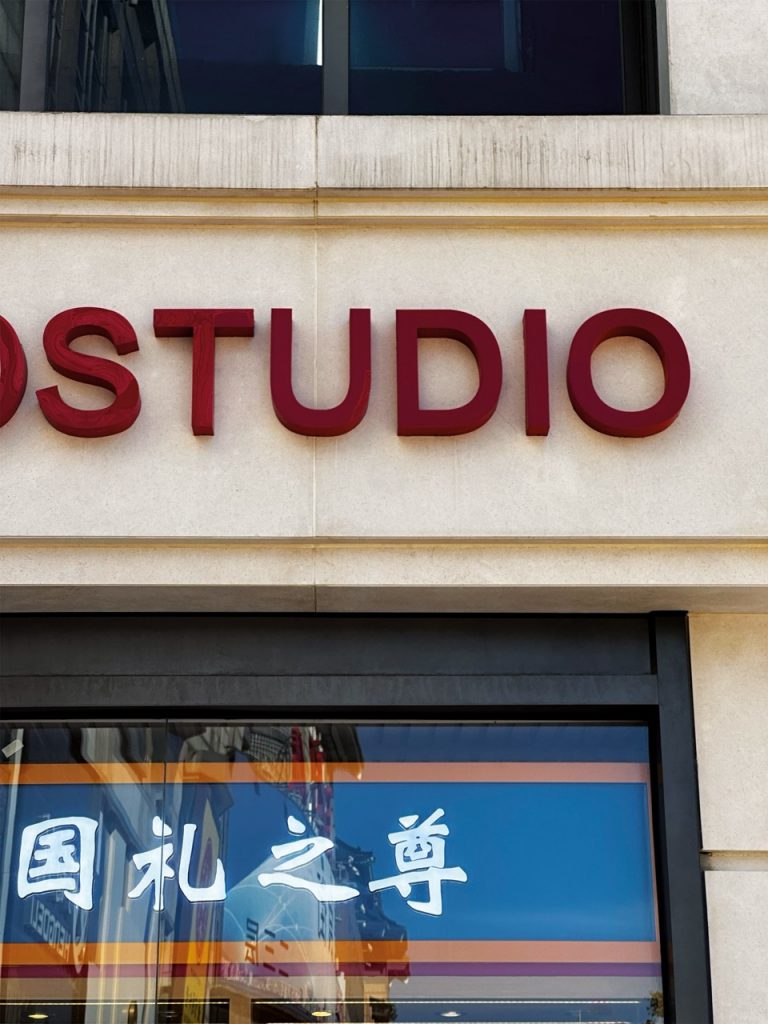
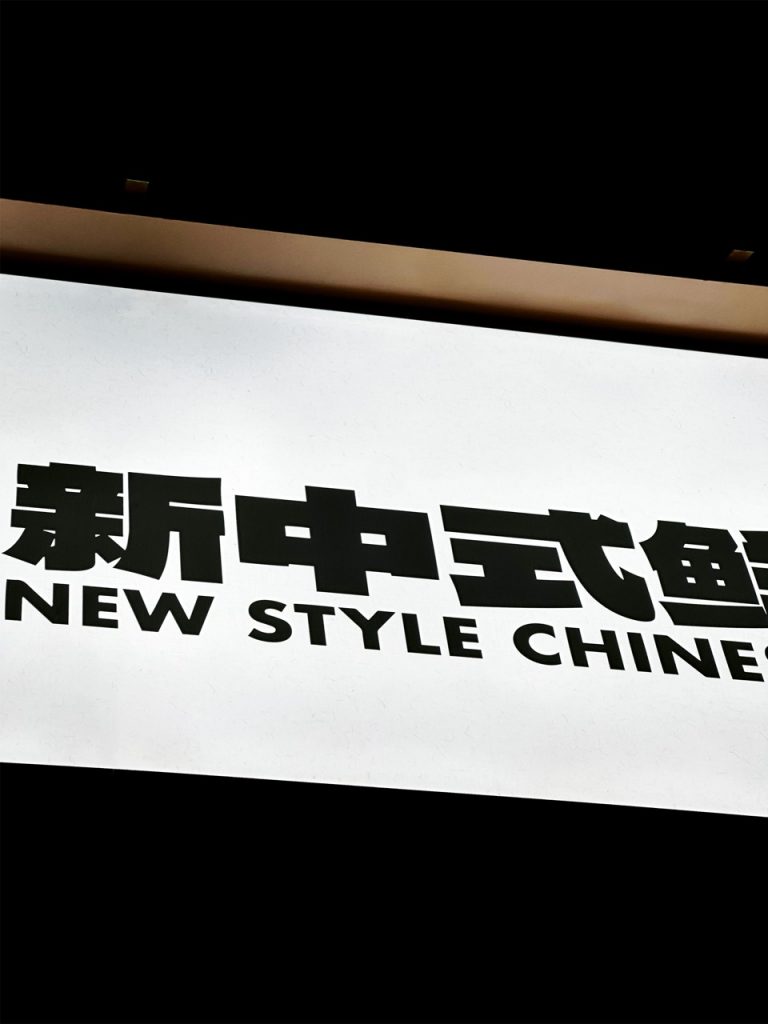
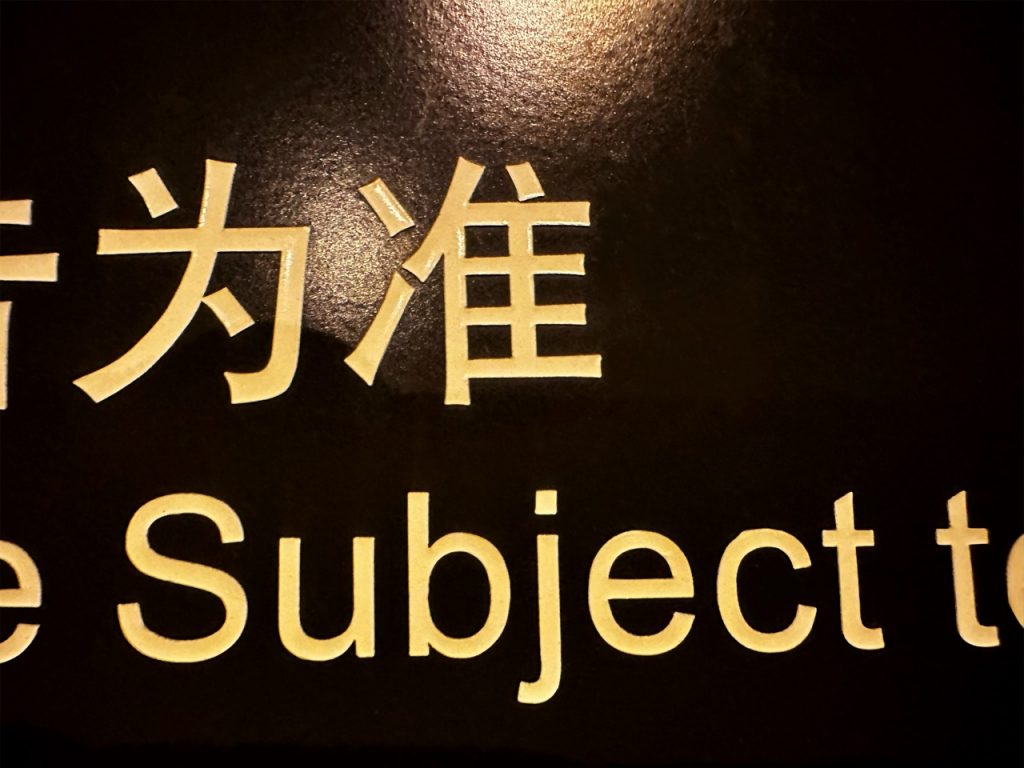
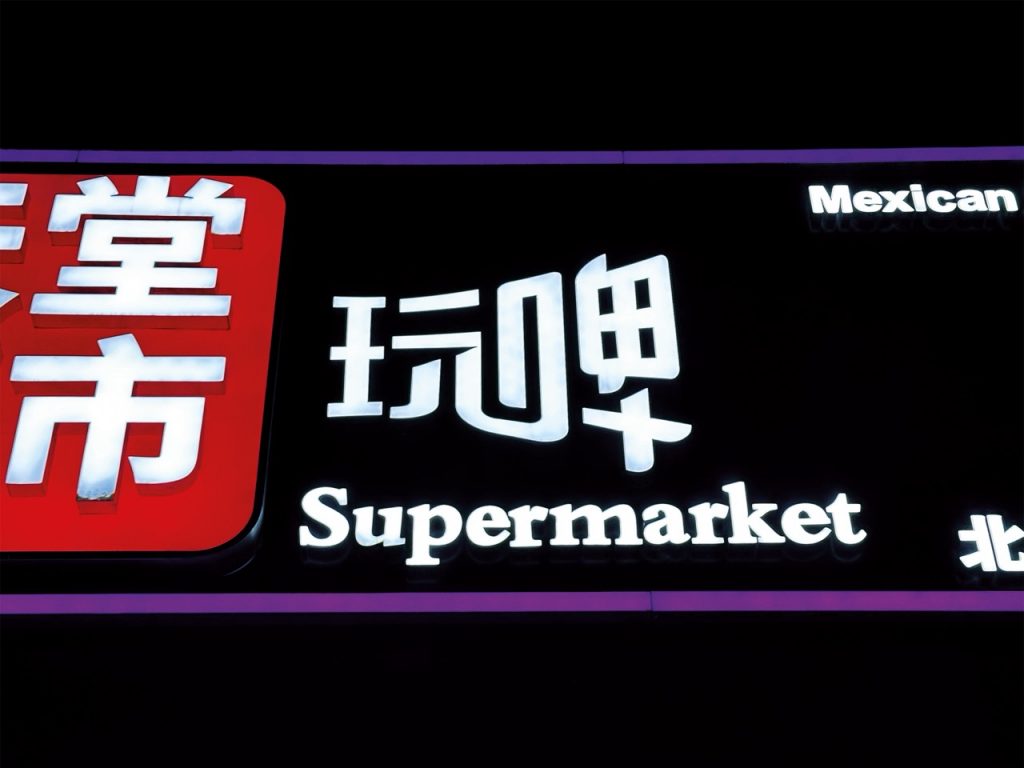
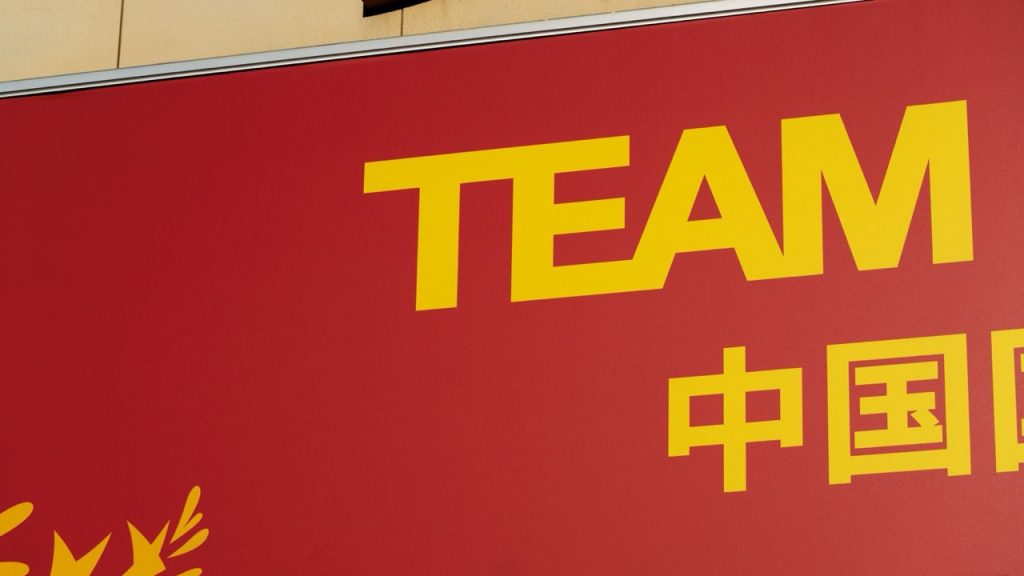
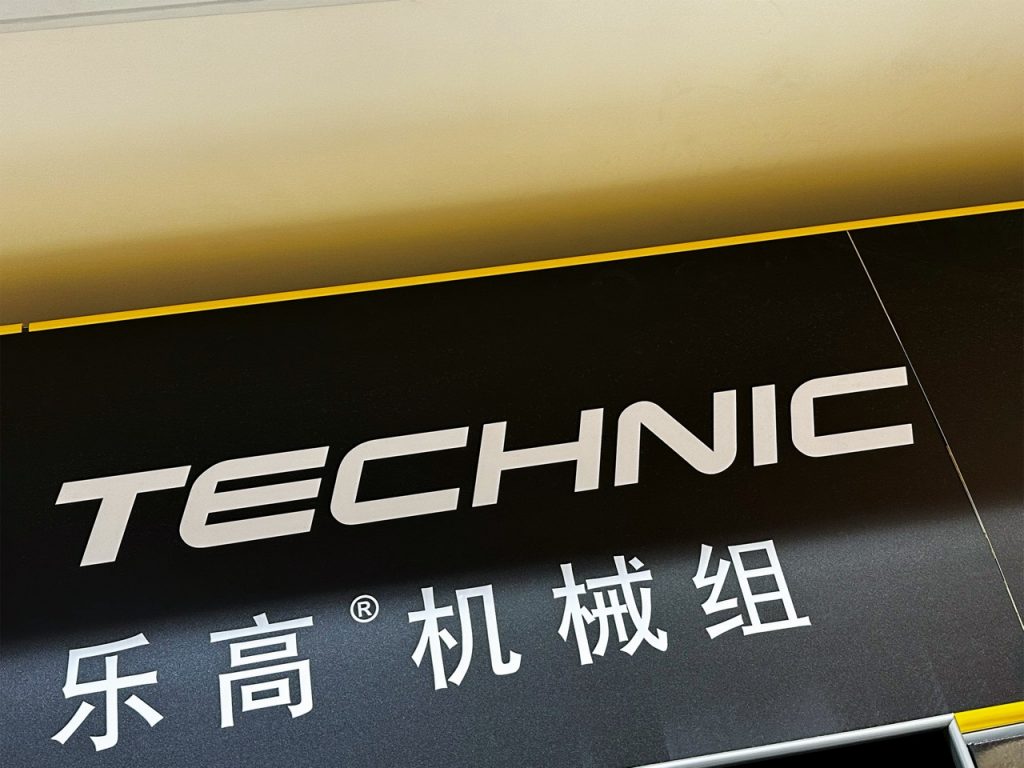
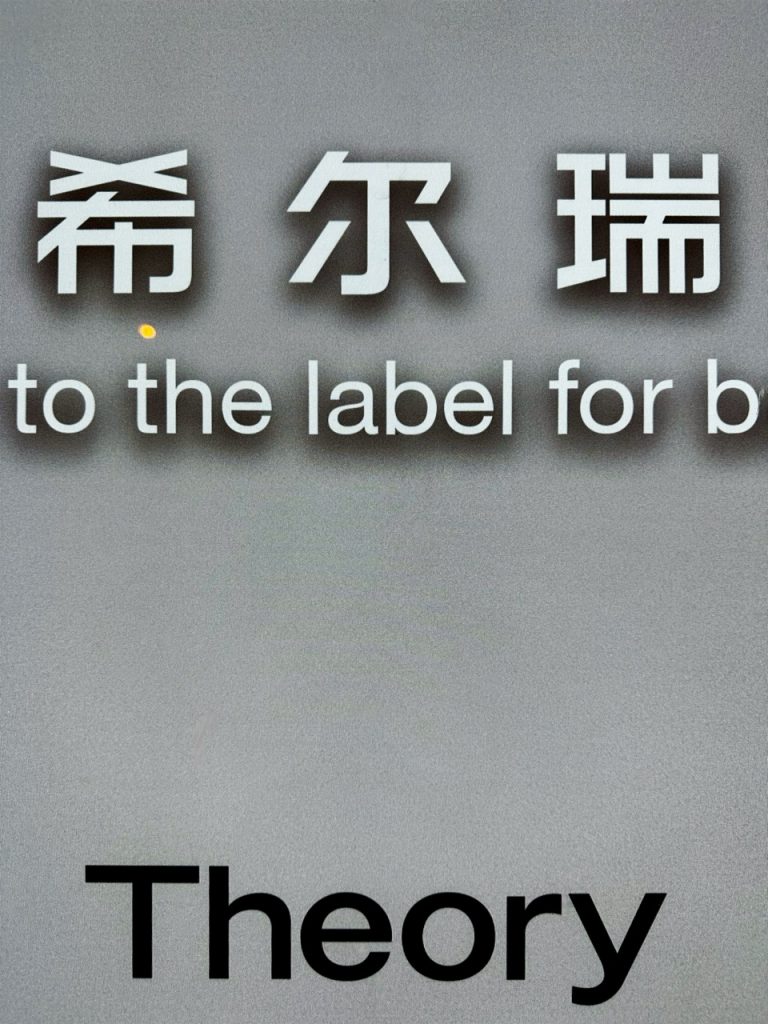
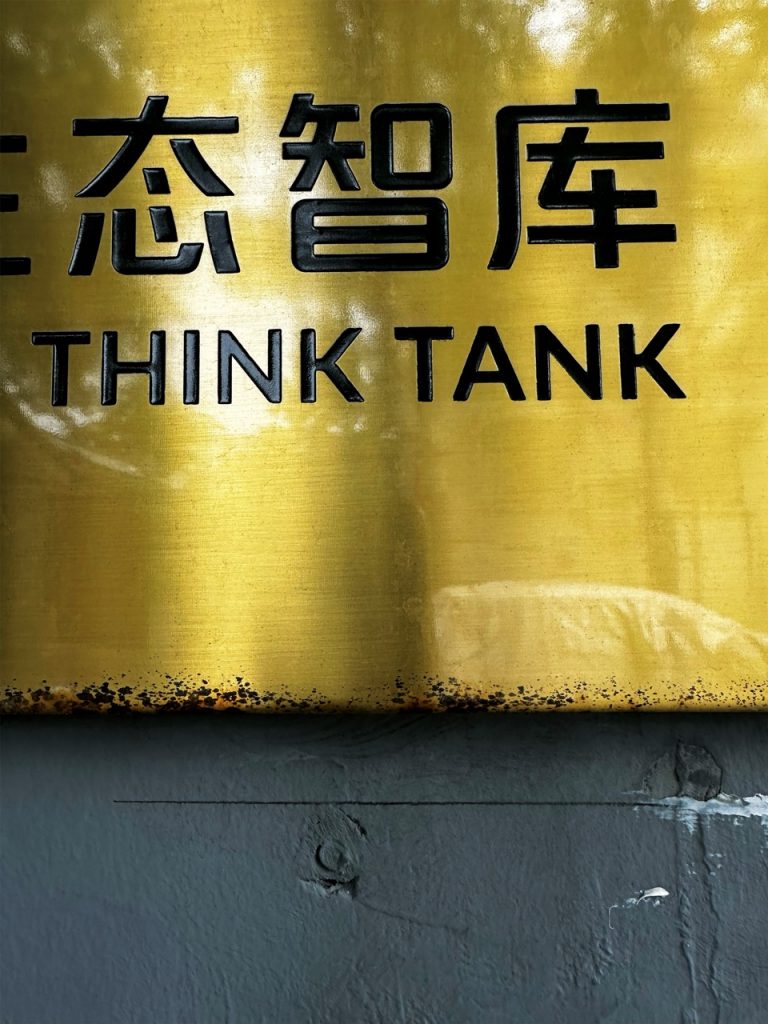
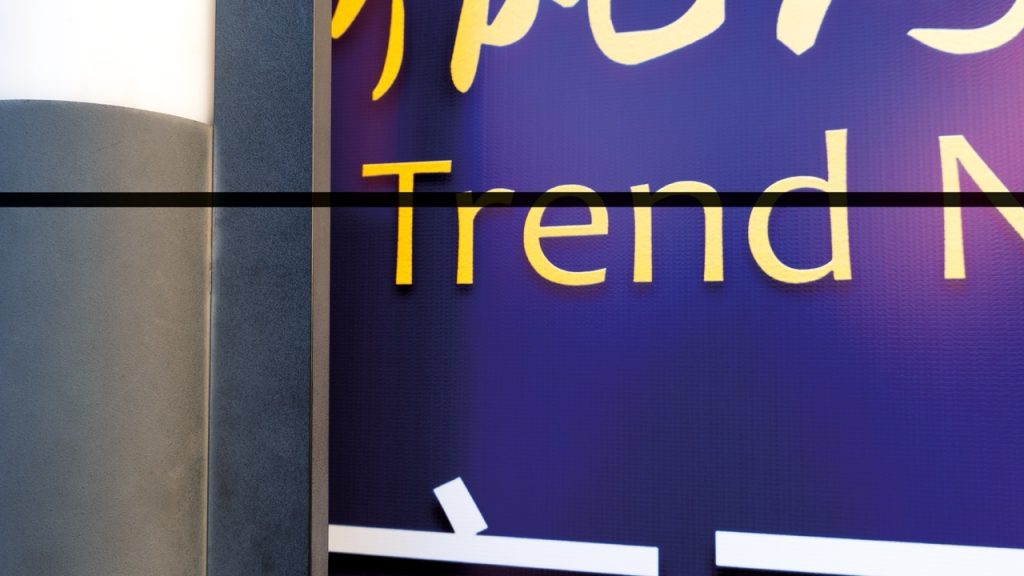
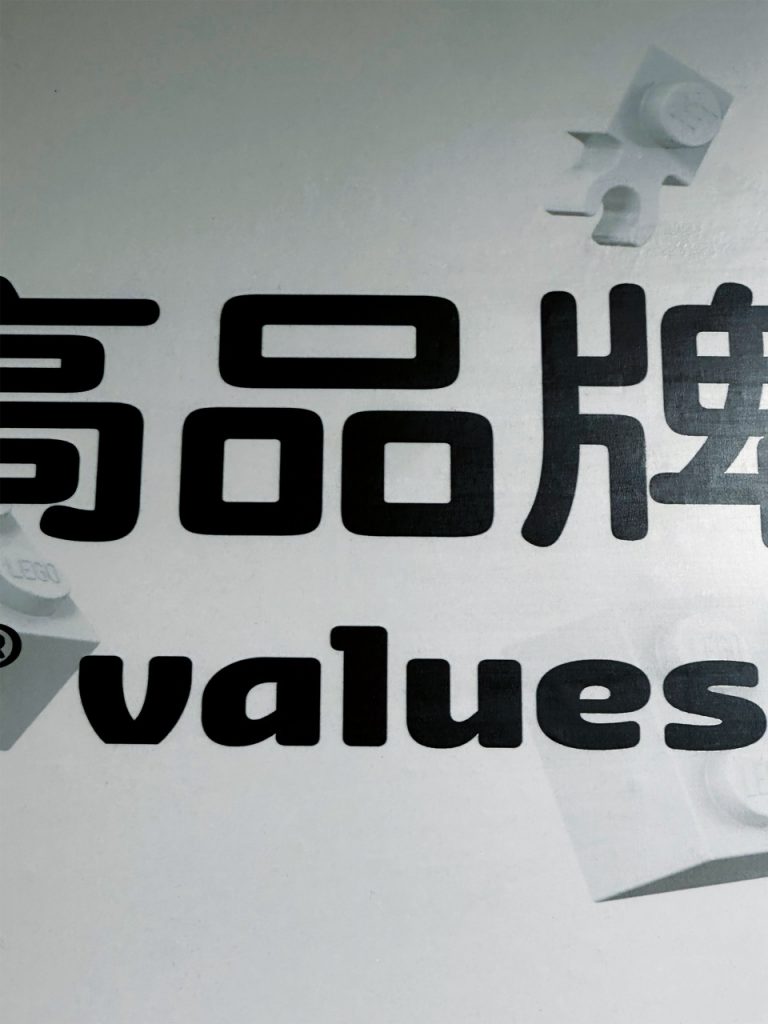
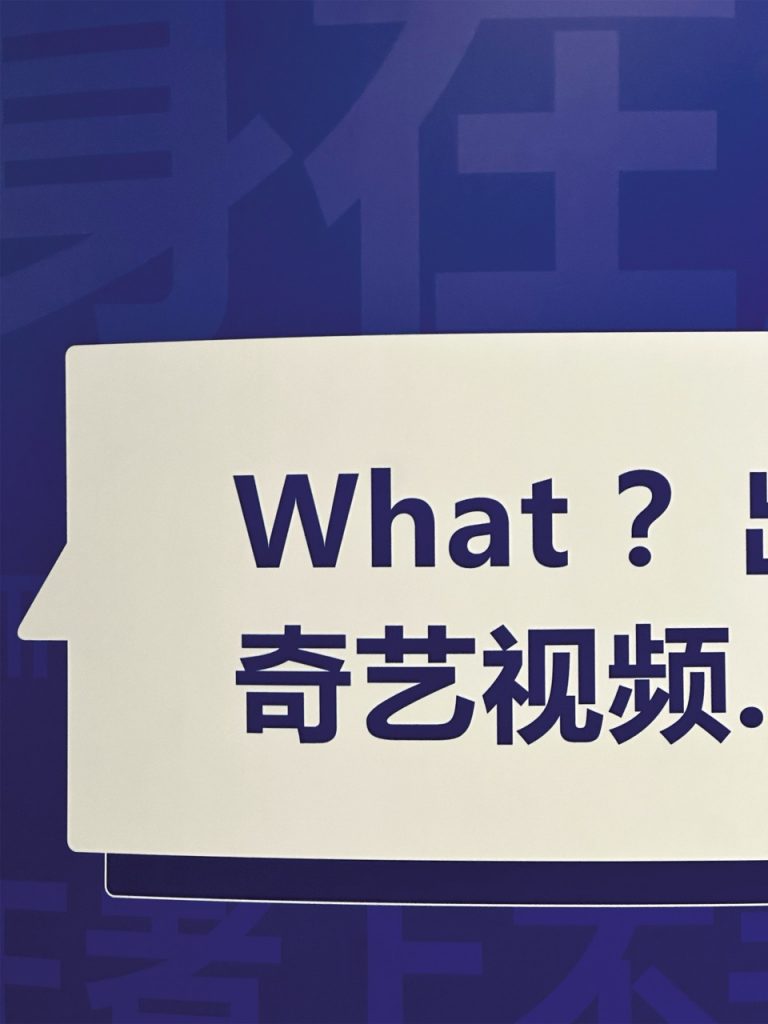
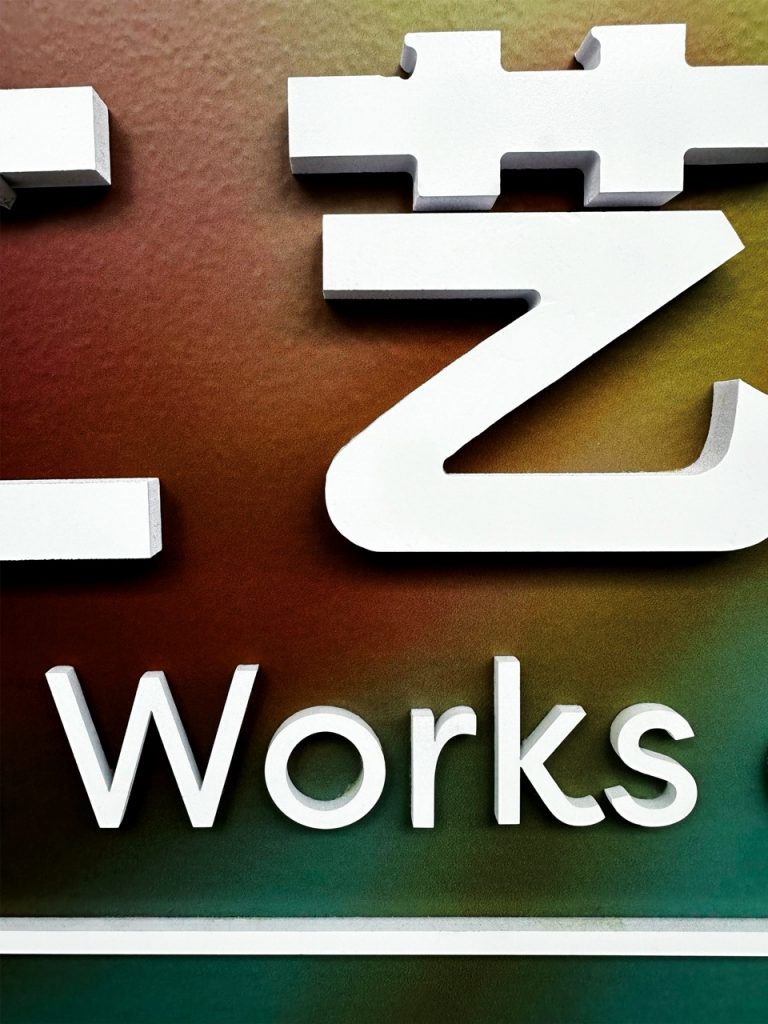
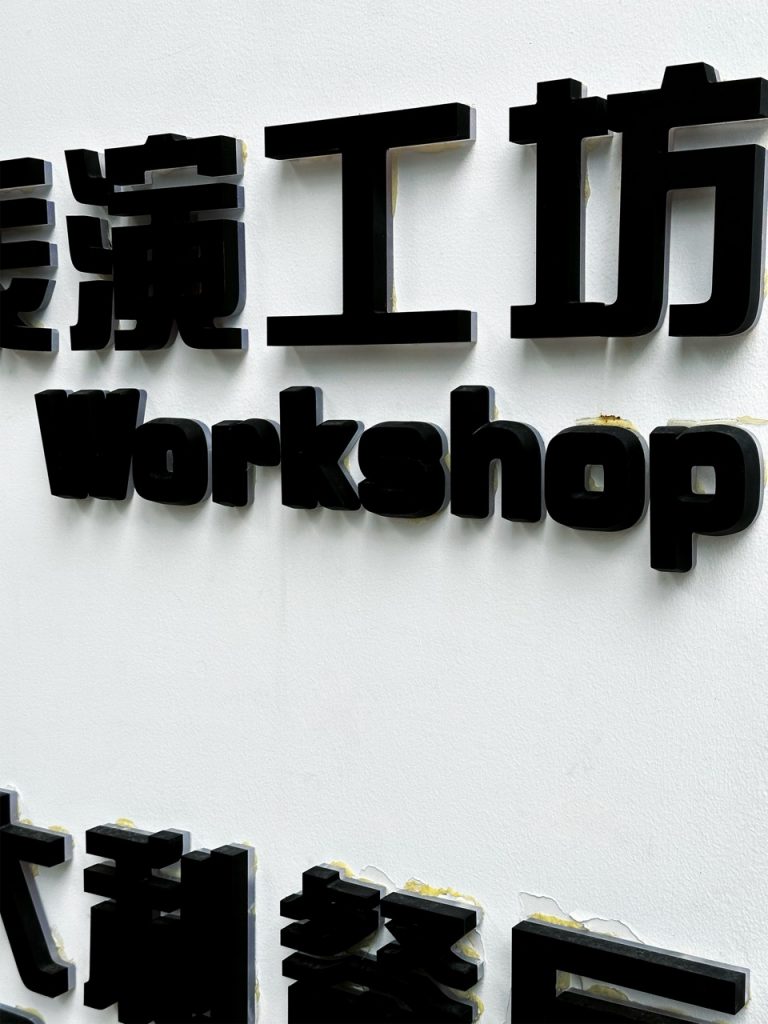
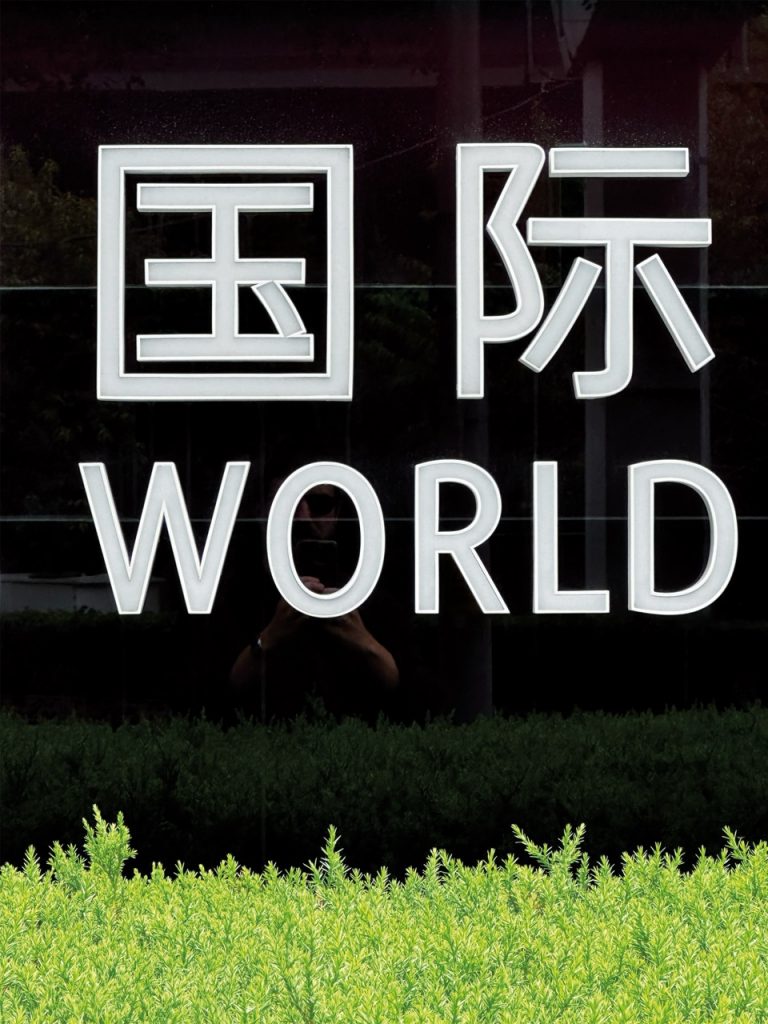
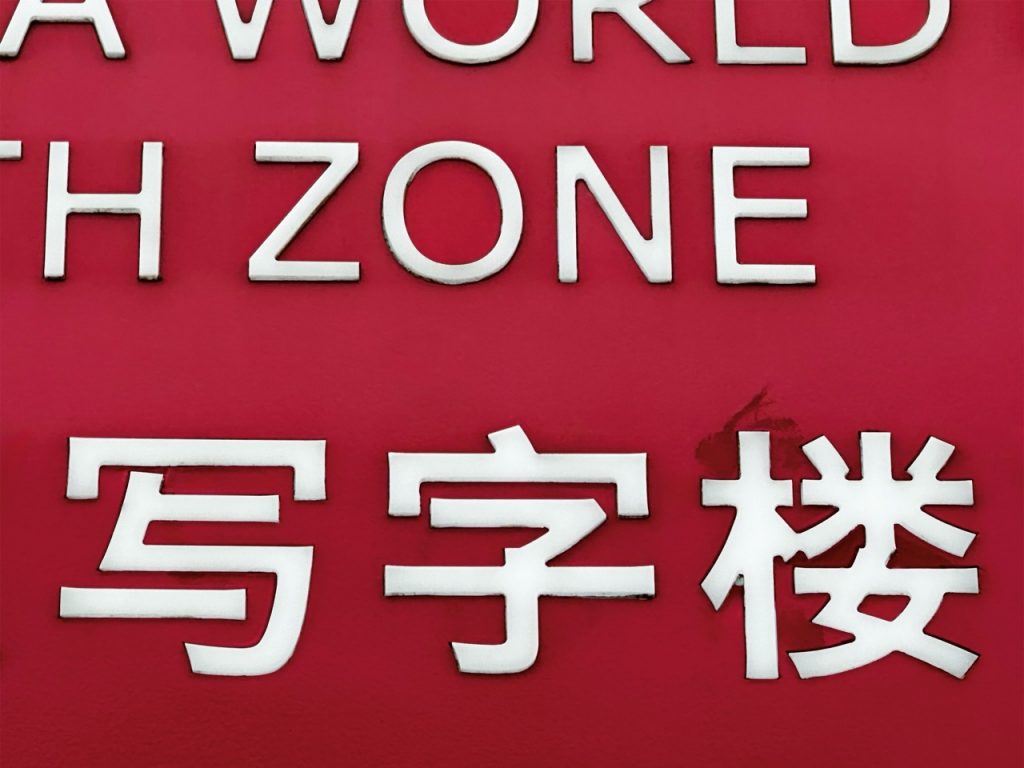
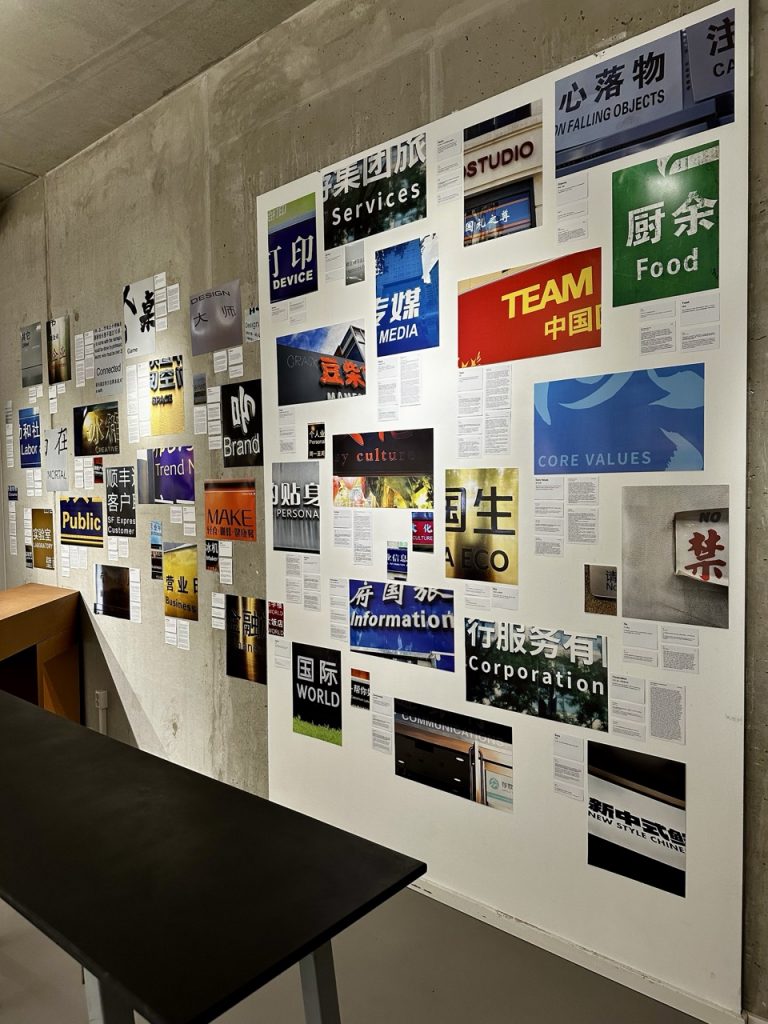
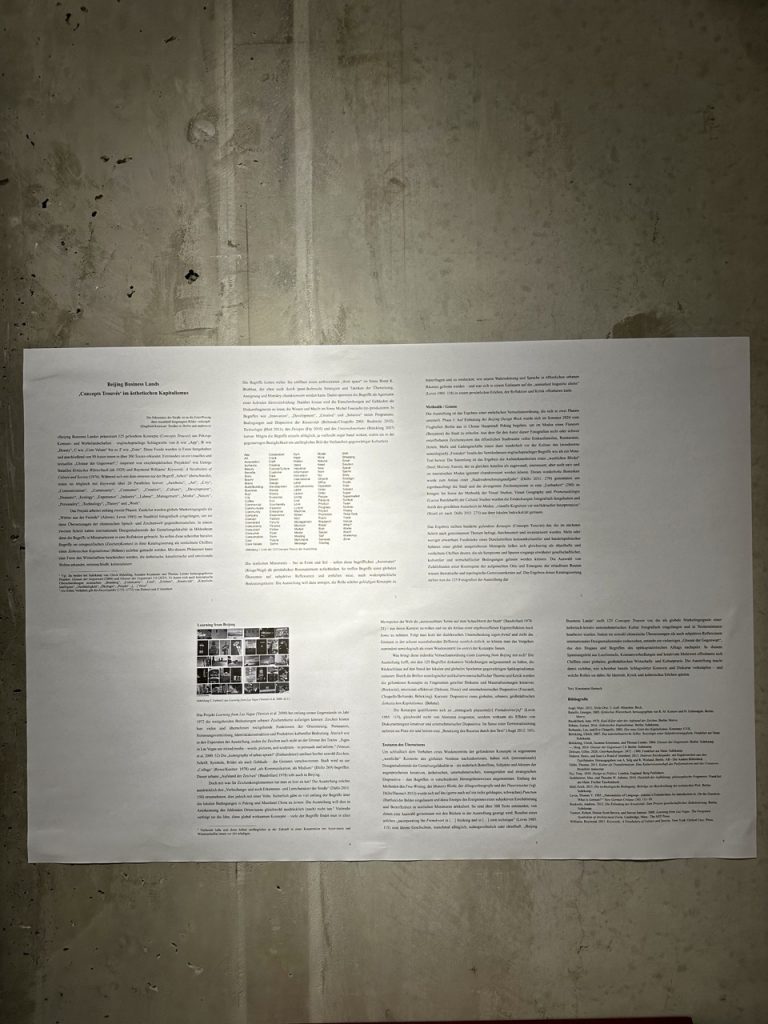
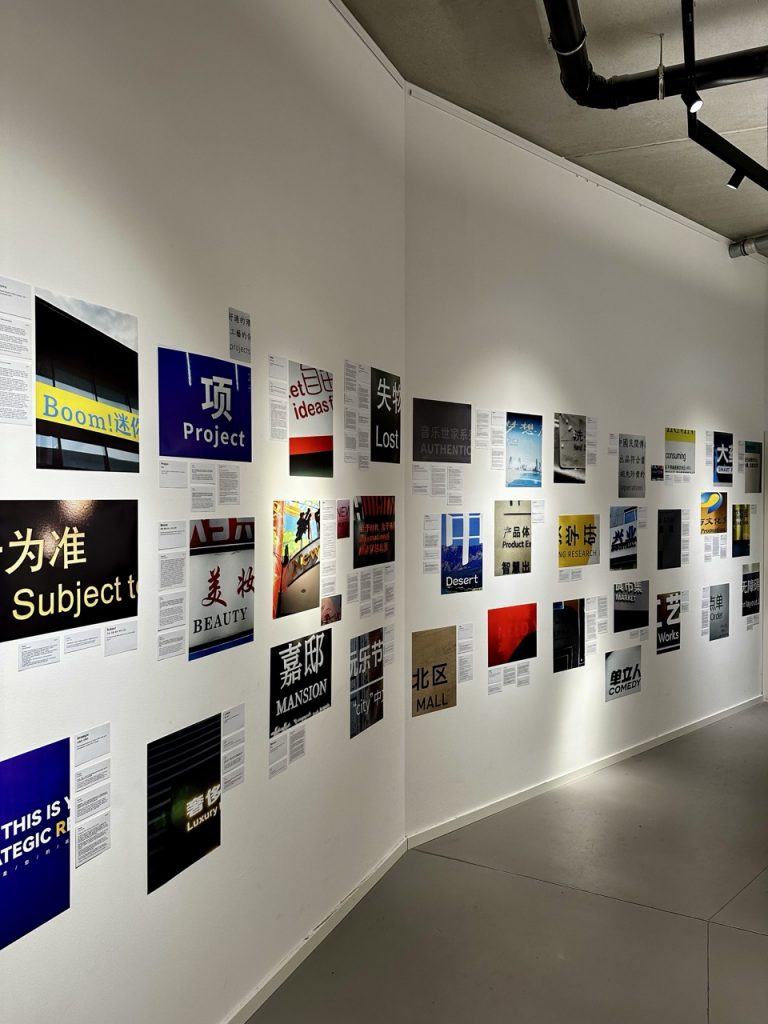
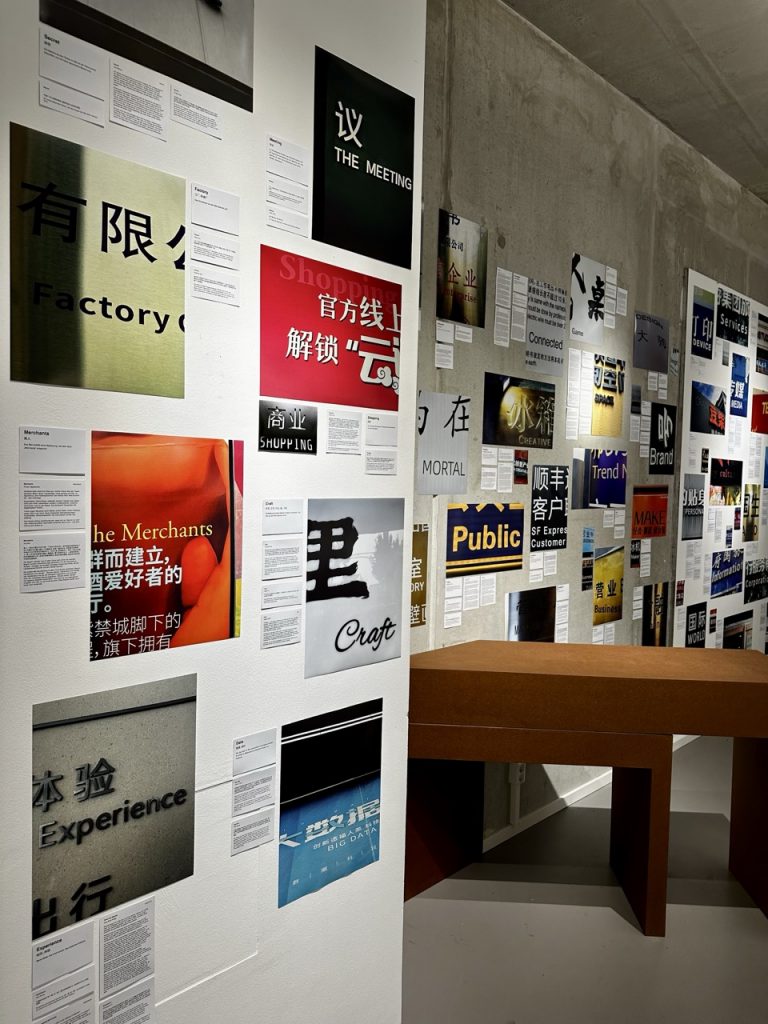
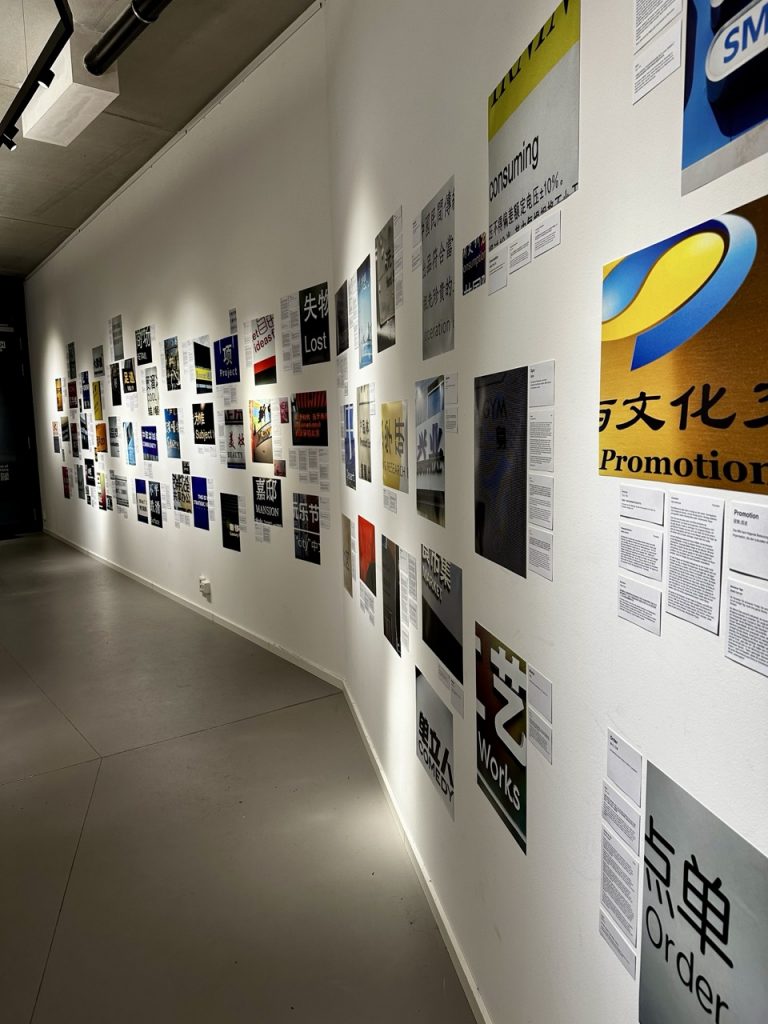
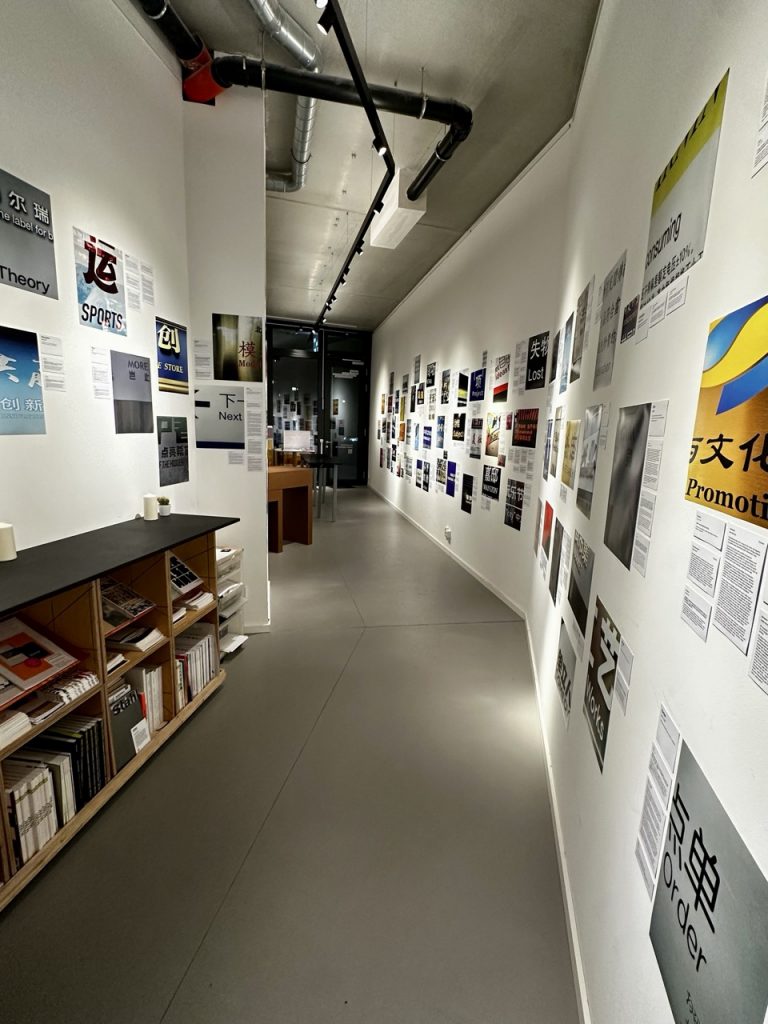
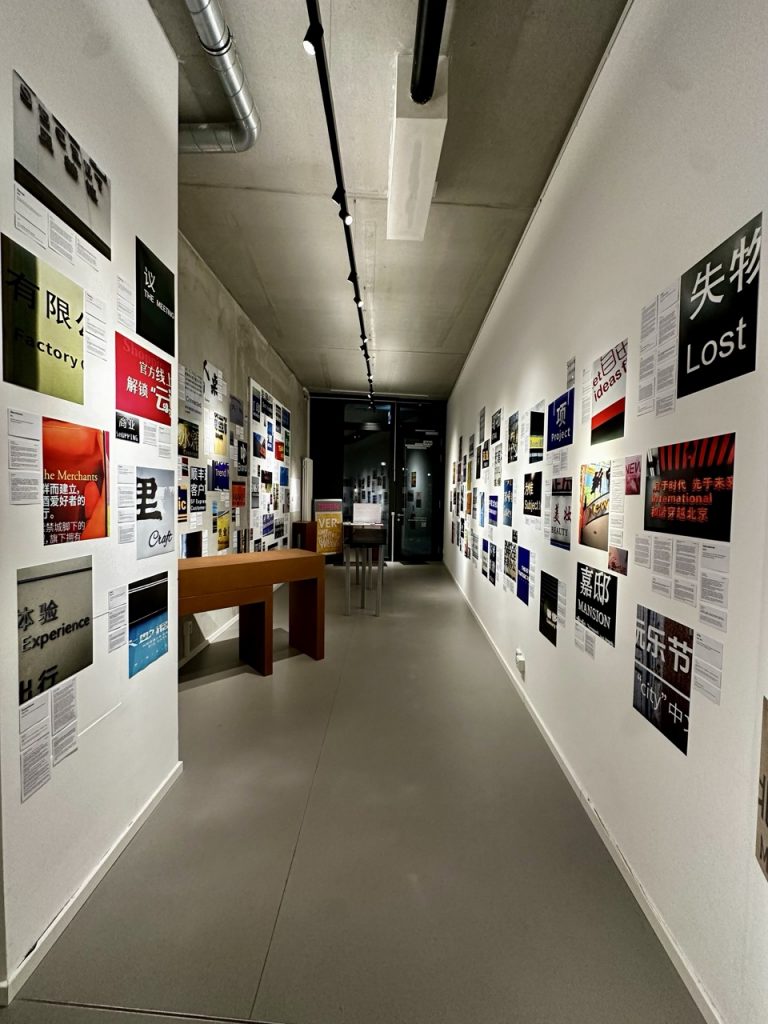
The exhibition “Beijing Business Lands” presents 125 found concepts (Concepts Trouvés) from Beijing’s consumer and advertising landscapes—English-language keywords ranging from A (“App”), B (“Beauty”), and C (“Core Values”) to Z (“Zone”). These findings were captured in photographs and subsequently explored by 50 authors in more than 300 short texts. The result is a visual and textual “Glossary of the Present,”¹ inspired by encyclopedic projects² such as Georges Bataille’s Critical Dictionary (from 1929 onward) and Raymond Williams’s Keywords: A Vocabulary of Culture and Society (1976). While the overlap with Bataille is limited (notably “labor”), a comparison with Williams yields more than twenty parallels: “Aesthetic,” “Art,” “City,” “Commercialism,” “Community,” “Consumer,” “Creative,” “Culture,” “Development,” “Dramatic,” “Ecology,” “Experience,” “Industry,” “Labour,” “Management,” “Media,” “Nature,” “Personality,” “Technology,” “Theory,” and “Work.”
The project unfolds in two phases. First, global marketing signals were photographed in the urban landscape as “words from abroad” (Adorno; Levin 1985), then set against translations from the Chinese linguistic and semiotic sphere. In a second step, international design students at the Faculty of Design in Hildesheim responded to the terms in short miniature texts. In their site-specific (sign) context, these seemingly banal expressions are rendered visible—through cataloguing—as condensed ciphers of Aesthetic Capitalism (Böhme). This term designates a mode of economic activity that explores, incorporates, and colonizes aesthetic, artistic, and emotional worlds.
These concepts do more than label. They open an ambivalent “third space” in Homi K. Bhabha’s sense—structured by (post-)colonial strategies of translation, appropriation, and mimicry—and thus function as agencies of hybrid identity formation. At the same time, the inscriptions on buildings can be read as fragments of discourse that (re)produce knowledge and power in Michel Foucault’s sense. Terms such as “Innovation,” “Development,” “Creative,” and “Solution” foreground programs, conditions, and dispositifs of creativity (Boltanski/Chiapello 2003; Reckwitz 2012), technology (Hörl 2011), design (Fry 2010), and entrepreneurship (Bröckling 2007). Individually, they may appear ordinary—perhaps even trivial. In their mutual references, however, they compose a broader image of contemporary cultural formations.
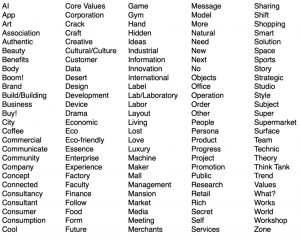
Figure 1: List of the exhibition’s 125 Concepts Trouvés.
The miniature texts—deliberately open in form and style—aim to unlock these conceptual “automatons” (Kluge/Negt) as spaces of personal resonance. Here, terms of a global economy encounter subjective reflection and generate new, sometimes contradictory semantic fields. The exhibition invites viewers to question the role of such familiar concepts: how perception and language are shaped in public urban space, and what might become legible—experientially, reflectively, and critically—through engagement with “unmarked linguistic aliens” (Levin 1985: 118).
Methodology / Genesis
The exhibition emerges from a multi-layered experimental set-up organized in two phases.
In summer 2024, following an invitation from Beijing Design Week, the project moved from the fleeting atmosphere of Berlin to Beijing. The city was traversed in the mode of the flâneur (Benjamin). Within the public semiotic environment—shopping boulevards, restaurants, hotels, malls, and stores—an often opaque system of signs repeatedly yielded “islands” of comprehension: English-language terms that surfaced as a kind of meta-text against the backdrop of the (at least semiologically) “foreign.” The resulting collection is shaped by the attentiveness of a “Western gaze” (Said; Mulvey; Fanon), which must be acknowledged as simultaneously curious and engaged, yet also naïve and, in a tourist register, ignorant. This repeated noticing became the trigger for a self-assigned “task of urban perception” (Düllo 2011: 279): to render the city’s divergent sign systems “legible” (280). In line with approaches from Visual Studies, Visual Geography, Promenadology (Lucius Burckhardt), and Cultural Studies, these discoveries were documented photographically and—through framing in the mode of “visual cognition prior to intellectual interpretation” (Stierli, quoted in Düllo 2011: 273)—lifted out of their local indexicality.
Hundreds of Concepts Trouvés resulted. In a subsequent step, they were sifted, compared, and inventoried by thematic clusters. What might be expected from a walk through consumer-cultural and trade-political spaces in a globally oriented metropolis also appeared as enigmatic condensations: compressed ciphers that can be read as symptoms and traces of broader social, cultural, and economic conditions. Although based on contingent sites and emergent routes, the findings revealed recurring thematic and topological patterns. The outcome of this cataloguing process is the selection of 125 photographs presented in the exhibition.
Learning from Beijing
Learning from Las Vegas (Venturi et al. 2000) demonstrated, already in 1972, the far-reaching work performed by urban sign spaces: signs guide orientation, persuade, modulate atmosphere, construct identities, and produce cultural meaning. As with the exhibits here, signs do not stop at the boundary of text: “Signs in Las Vegas use mixed media—words, pictures, and sculpture—to persuade and inform.” (Venturi et al. 2000: 52) The “iconography of urban sprawl” (dust jacket text) spans writing, symbols, images, and buildings; distinctions blur. The city can thus be understood as “collage” (Rowe/Koetter 1978) and—following Düllo—“as communication, as medium” (Düllo 2011: 269).
This urban “uprising of signs” (Baudrillard 1978) also rages in Beijing.
What, then, are the sign conglomerates at work here? The exhibition explicitly takes seriously the “character of promise—and equally of knowledge and learning—of the street” (Düllo 2011: 150), yet it does so with a twist. Much could, in principle, be learned about local conditions in Beijing and Mainland China through these terms. In recognition of limited local knowledge, however, the exhibition explicitly refrains (for now) from that move.³ Instead, it treats these globally operative concepts—many of which appear across the world’s metropolises as “interchangeable terms on the chessboard of the city” (Baudrillard 1978: 21)—as detachable materials to be carried back “home” and used as prompts for open-ended self-reflection. If one briefly follows the dialectic of self/other and sketches the boundary along the difficult West/East distinction, the procedure may be described—at least semiologically—as a re-entry of these concepts.
What does this indirect experimental arrangement, a Learning from Beijing, produce? The exhibition hopes that these 125 terms function as discursive condensations that allow inferences about local and global variants of late capitalism. Read through sociological and cultural-theoretical critique, the found concepts become fragments of shared discourse and materializations of creative (Reckwitz), emotional-affective (Deleuze; Illouz), and entrepreneurial dispositifs (Foucault; Chiapello/Boltanski; Bröckling)—in short, dispositifs of a global, urban, metropolitan Aesthetic Capitalism (Böhme).
The concepts qualify as “strategically placed foreign words” (Levin 1985: 115)—not necessarily as deliberate choices by identifiable actors, but as effects of discursive strategies linked to creative and entrepreneurial dispositifs. As forms of territorialization, they take up space and enact a “seizure of space through text” (Augé 2012: 101).
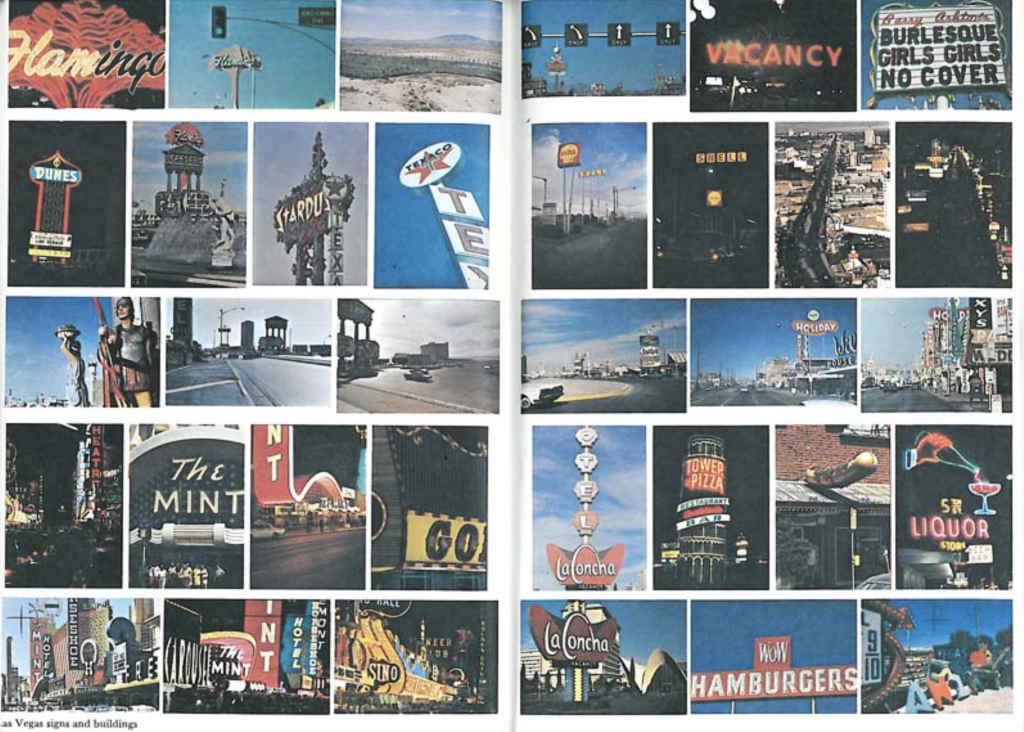
Figure 2: Color plate from Learning from Las Vegas (Venturi et al. 2000: 62f.).
Textures of Translation
To stage the intended re-entry of these found concepts into so-called “Western” contexts of the Global North, (international) design students at the Faculty of Design—each in multiple ways implicated as subjects and actors of the creative, aesthetic, entrepreneurial, managerial, and strategic dispositifs at issue—engaged the terms through different modes of writing and analysis. Drawing on free writing, memory work, everyday ethnography, and “theoretical texturing” (cf. Düllo/Haensch 2013), they responded to the images’ punctum (Barthes)—sometimes deliberately “lowered,” weakened, or understated—and translated the energy of subjective disturbance and affectation into textual miniatures. More than 300 texts were produced; a selection is shown alongside the photographs in the exhibition. The result of such an “incorporating the Fremdwort in […] thinking and in […] own technique” (Levin 1985: 115) takes the form of short narratives: sometimes ordinary, sometimes exceptional, sometimes opaque.
“Beijing Business Lands” thus presents 125 Concepts Trouvés—photographically captured as global marketing signals within an aesthetic-creative-entrepreneurial culture and reworked in miniature texts. By incorporating both Chinese translations and subjective reflections by international design students, the project forms a multifaceted “Glossary of the Present” that traces the slogans and concepts of late-capitalist everyday life. In the tension between empty formulas, consumer promises, and creative “added value,” the terms reveal themselves as ciphers of global metropolitan economic and cultural practice. The exhibition makes visible how seemingly banal buzzwords link contexts and discourses—and what roles they play for identity, critique, and aesthetic experience.
Text / Images: Konstantin Haensch
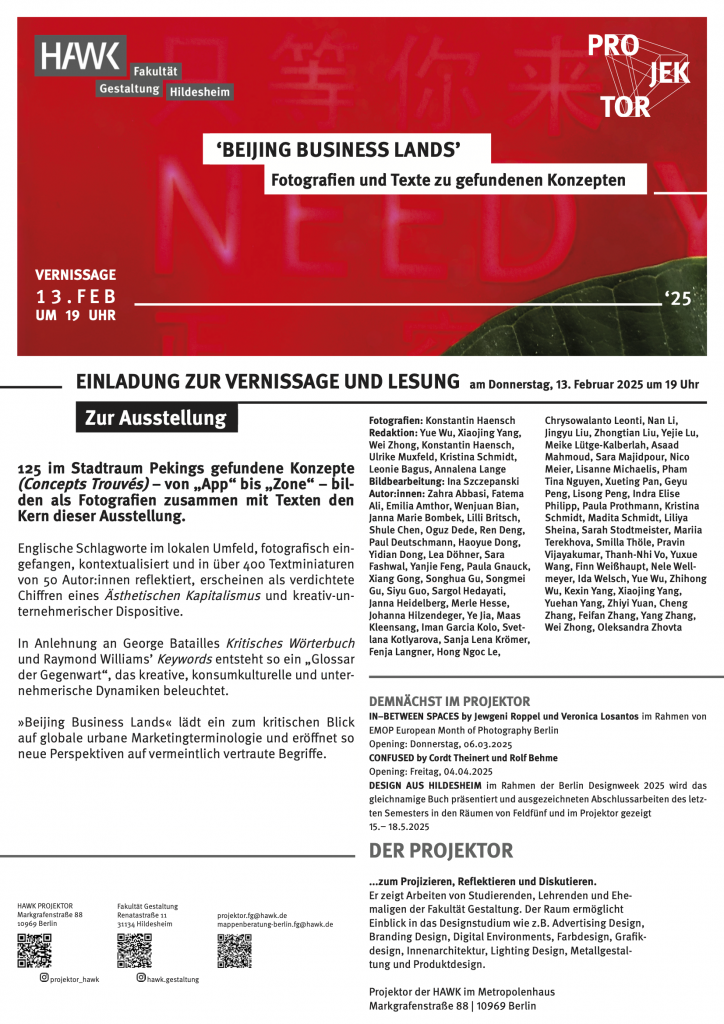
Invitation to the exhibition „Beijing Business Lands“
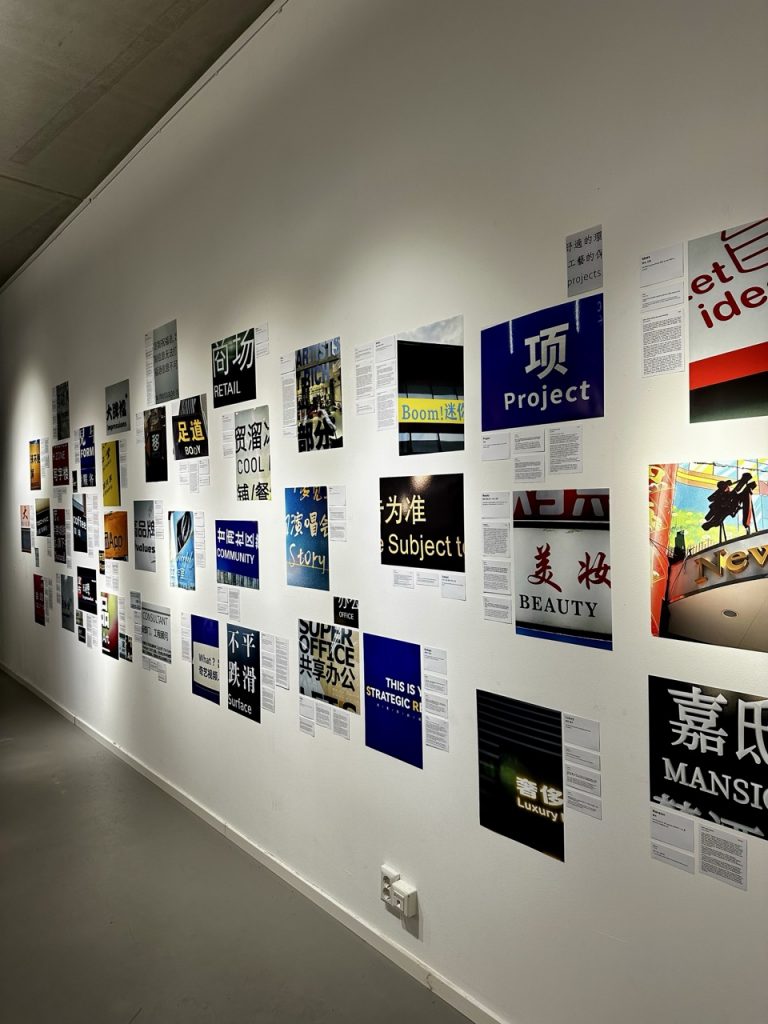
Exhibition in the Berlin-based „Projektor“
Footnotes
¹ See the two projects edited by Ulrich Bröckling, Susanne Krasmann, and Thomas Lemke, published by Suhrkamp: Glossar der Gegenwart (2004) and Glossar der Gegenwart 2.0 (2024). Conceptual overlaps can also be identified: “Branding,” “Community,” “Cool,” “Experience,” “Creativity,” “Artificial Intelligence,” “Sustainability,” “Ecology,” “Project,” “[…] Value.”
² An early precedent is the Encyclopédie (1751–1772) by Diderot and d’Alembert.
³ Perhaps this work could be carried out more comprehensively in the future in cooperation with authors and scholars on site.
Bibliography
Augé, Marc. 2012. Nicht-Orte. 3rd ed. Munich: Beck.
Bataille, Georges. 2005. Kritisches Wörterbuch. Edited by R. M. Kiesow and H. Schmidgen. Berlin: Merve.
Baudrillard, Jean. 1978. Kool Killer oder der Aufstand der Zeichen. Berlin: Merve.
Böhme, Gernot. 2016. Ästhetischer Kapitalismus. Berlin: Suhrkamp.
Boltanski, Luc, and Eve Chiapello. 2003. Der neue Geist des Kapitalismus. Konstanz: UVK.
Bröckling, Ulrich. 2007. Das unternehmerische Selbst: Soziologie einer Subjektivierungsform. Frankfurt am Main: Suhrkamp.
Bröckling, Ulrich, Susanne Krasmann, and Thomas Lemke. 2004. Glossar der Gegenwart. Berlin: Suhrkamp.
—, eds. 2024. Glossar der Gegenwart 2.0. Berlin: Suhrkamp.
Deleuze, Gilles. 2020. Unterhandlungen: 1972–1990. Frankfurt am Main: Suhrkamp.
Diderot, Denis, and Jean Le Rond d’Alembert. 2013. Diderots Enzyklopädie: mit Kupferstichen aus den Tafelbänden. Edited by A. Selg and R. Wieland. Berlin: AB – Die Andere Bibliothek.
Düllo, Thomas. 2011. Kultur als Transformation: Eine Kulturwissenschaft des Performativen und des Crossover. Bielefeld: transcript.
Fry, Tony. 2010. Design as Politics. London: Berg Publishers.
Horkheimer, Max, and Theodor W. Adorno. 2010. Dialektik der Aufklärung: philosophische Fragmente. Frankfurt am Main: Fischer Taschenbuch.
Hörl, Erich. 2011. Die technologische Bedingung: Beiträge zur Beschreibung der technischen Welt. Berlin: Suhrkamp.
Levin, Thomas Y. 1985. “Nationalities of Language: Adorno’s Fremdwörter An Introduction to ‘On the Question: What Is German?’” New German Critique (36): 111–19.
Reckwitz, Andreas. 2012. Die Erfindung der Kreativität: Zum Prozess gesellschaftlicher Ästhetisierung. Berlin: Suhrkamp.
Venturi, Robert, Denise Scott Brown, and Steven Izenour. 2000. Learning from Las Vegas: The Forgotten Symbolism of Architectural Form. Cambridge, MA: MIT Press.
Williams, Raymond. 2011. Keywords: A Vocabulary of Culture and Society. New York: Oxford University Press.
Concepts Trouvés