
Socio-Economic and Cultural Value Creation in the „Craft & Material Turn“
Hildesheim, 08.02.2026
Design produces value(s). Design, architecture, craft, and applied arts are value-generating practices. While the value of what is designed—be it things, objects, communications, experiences, or systems—can always be debated, the products of design at the very least embody what Karl Marx termed „objectified labor.“ This labor of the designer is reified in the objects assembled within the „Wertdinge Archive“ (Archive of Value-Things). And even more so: material, idea, concept, theories, practices, narratives, concerns, affects, emotions, and more.
The category of „value”´“ points toward the economic. Value functions as a catalyst at the beginning of various processes of exchange. As soon as value is attributed to a thing, negotiations over ownership, use, and consumption begin—whether as gift (Mauss 1924), exchange, purchase, and so forth. Market-oriented design thus aims to endow things with a value that enables processes of value creation. The works presented here reflect upon, critique, and experimentally explore these dynamics.
The Archive of Value-Things presents outcomes from the lecture course Markets and Management within the B.A. Design program. One of the course objectives is to equip students with economic, strategic, managerial, and consumer-theoretical concepts and analytical frameworks, enabling them to independently develop a multi-stage process of open value creation centered on a material object.
Works from the Wertdinge Archive
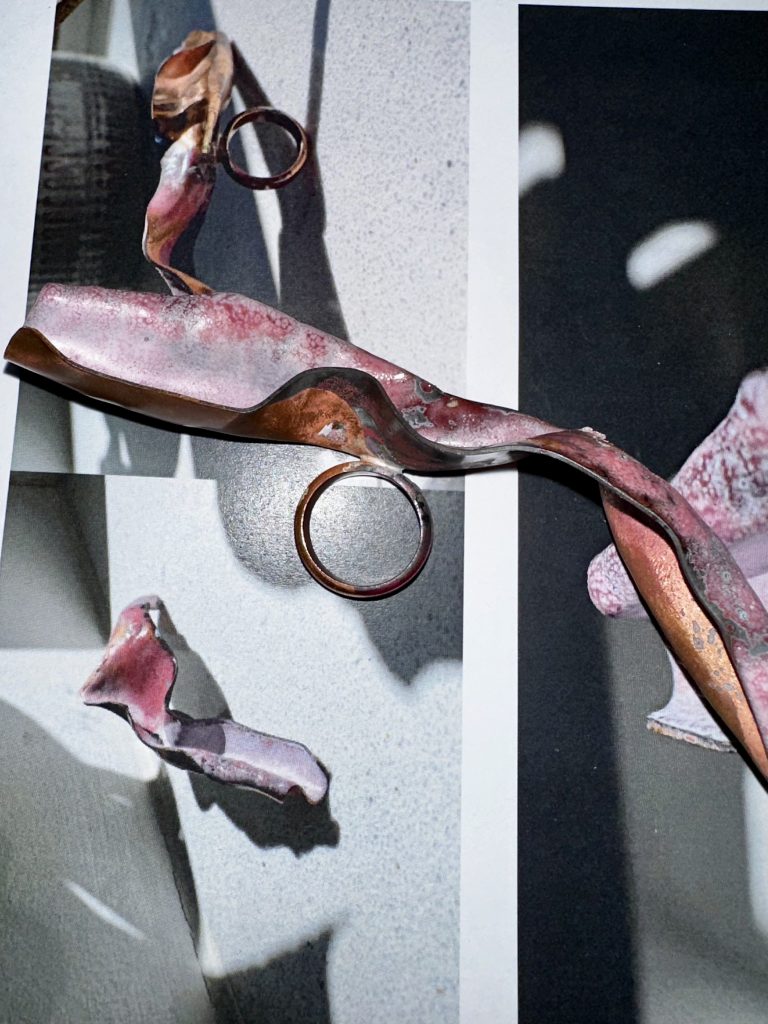
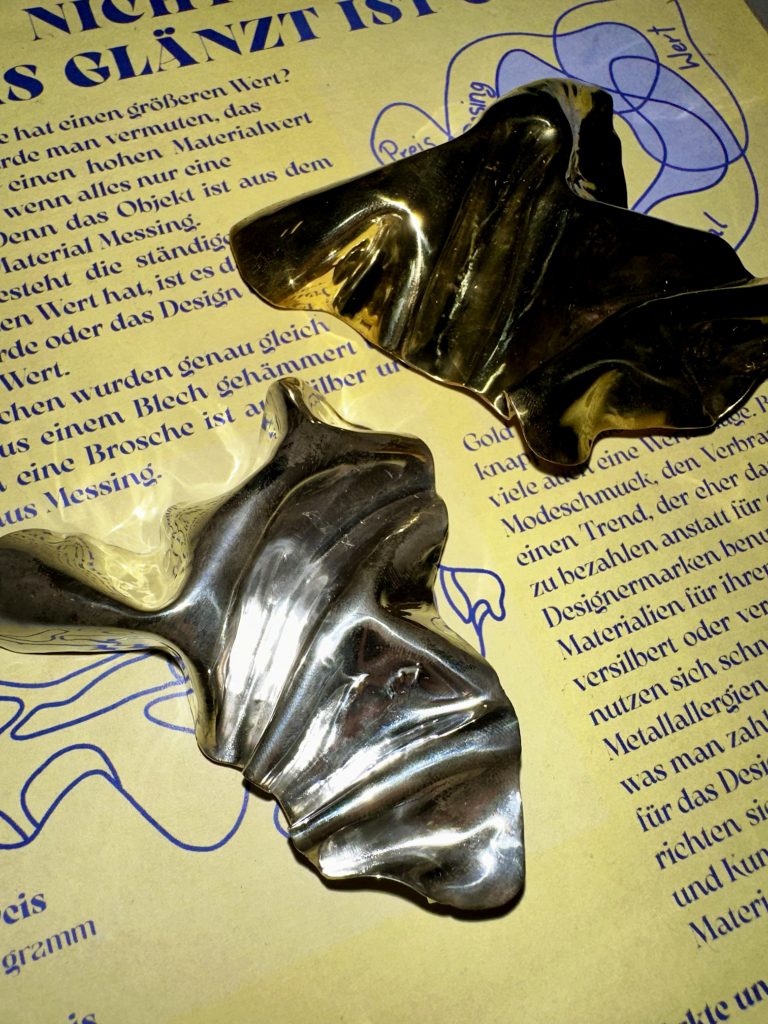
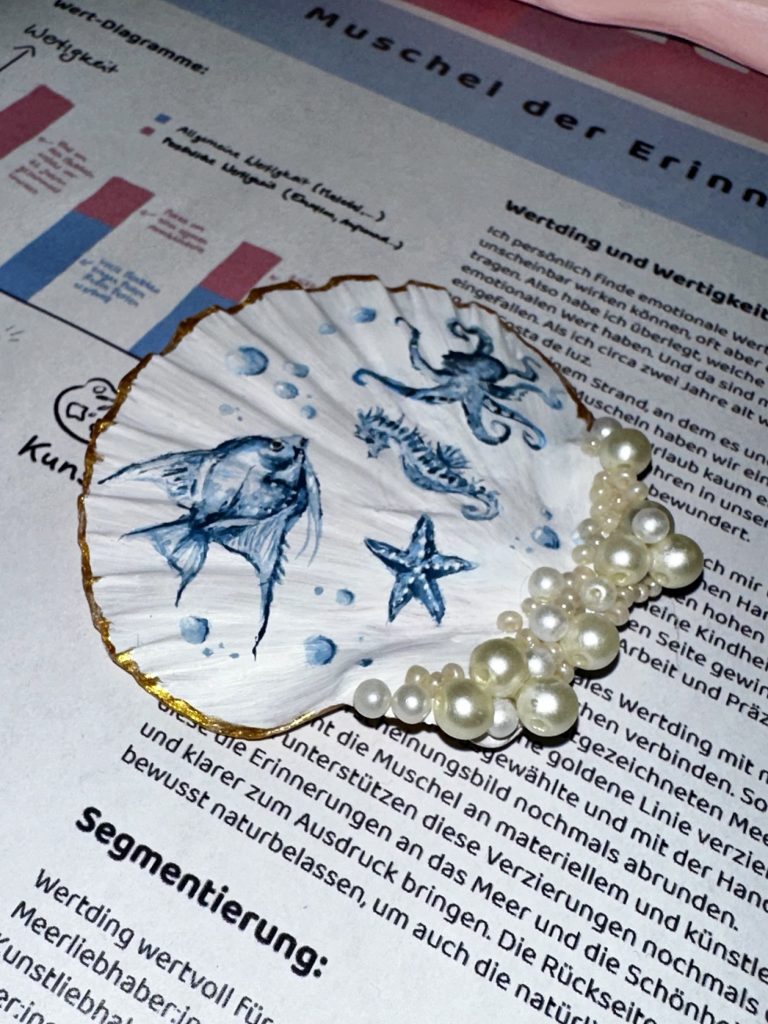

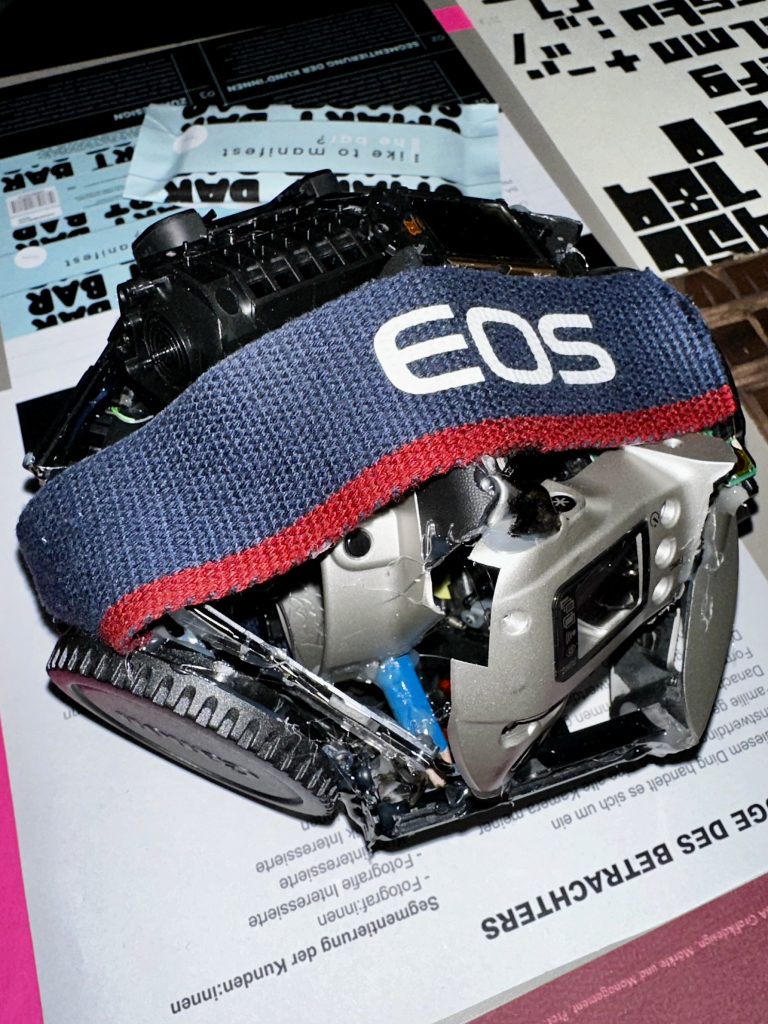

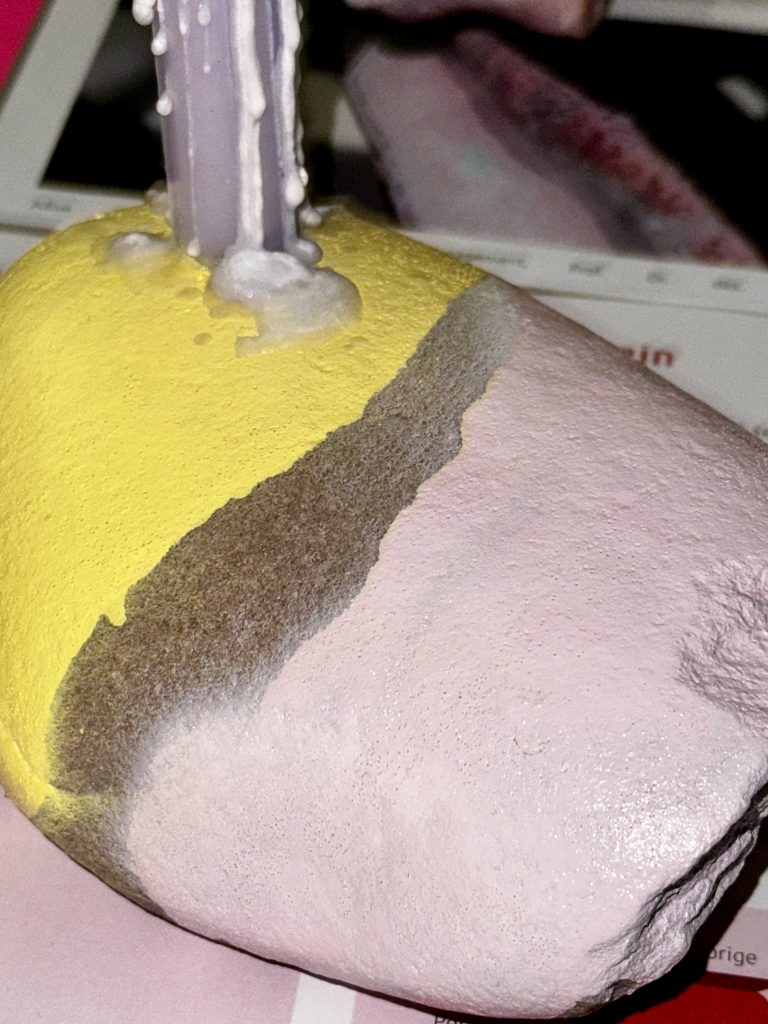
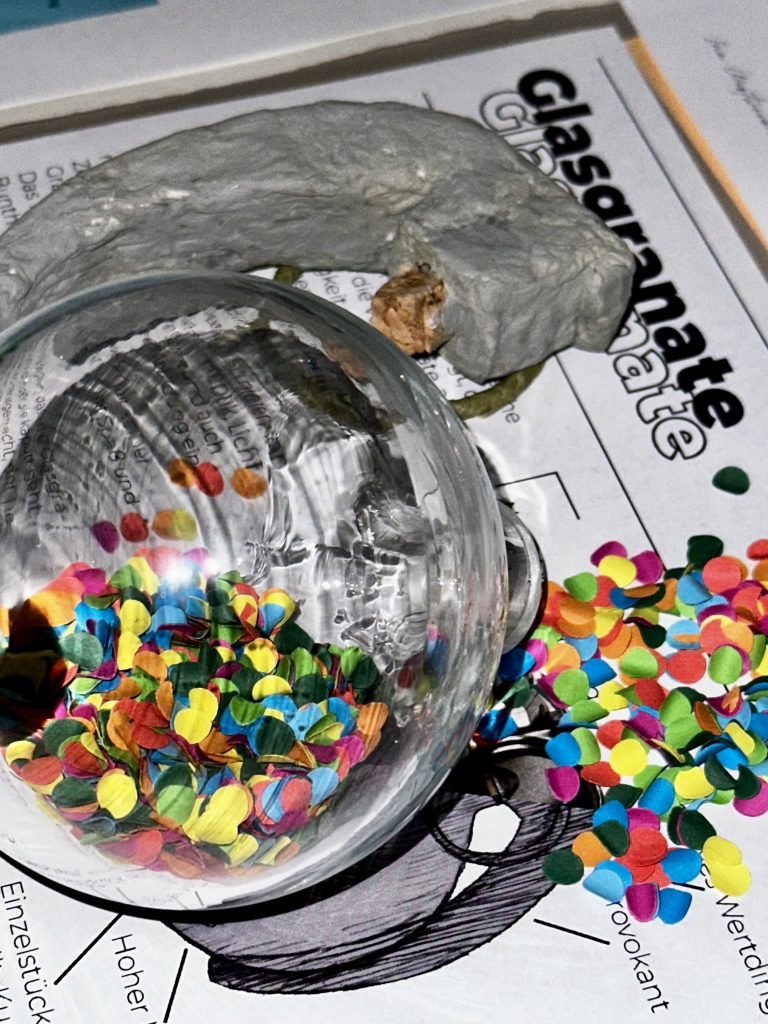
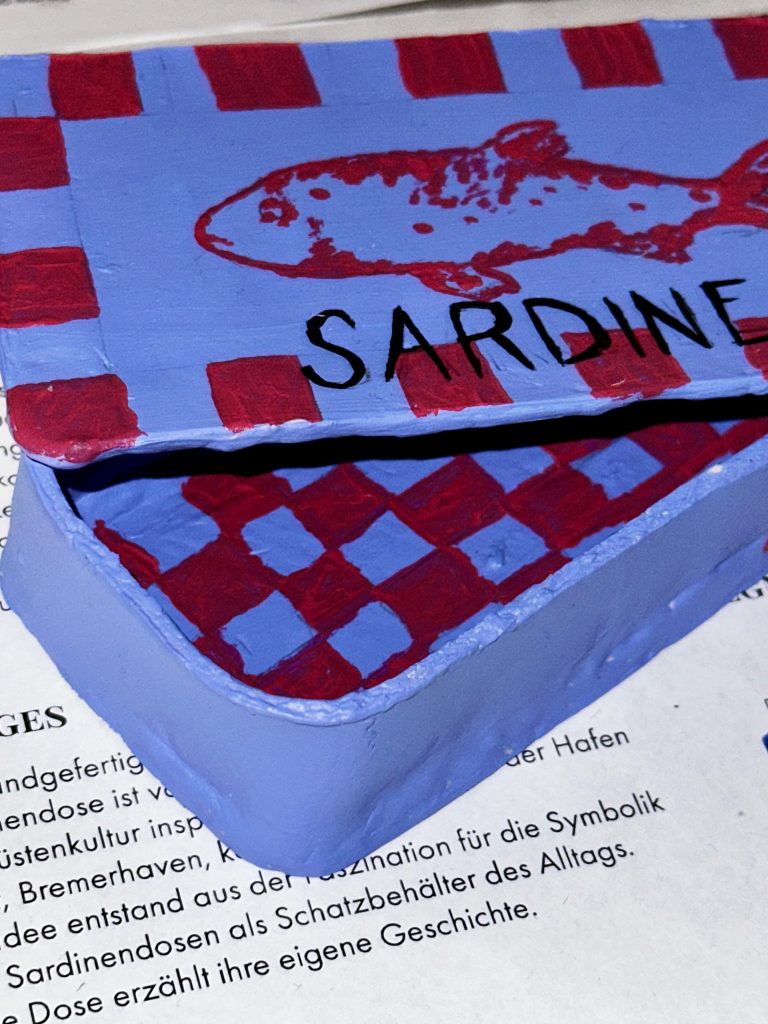

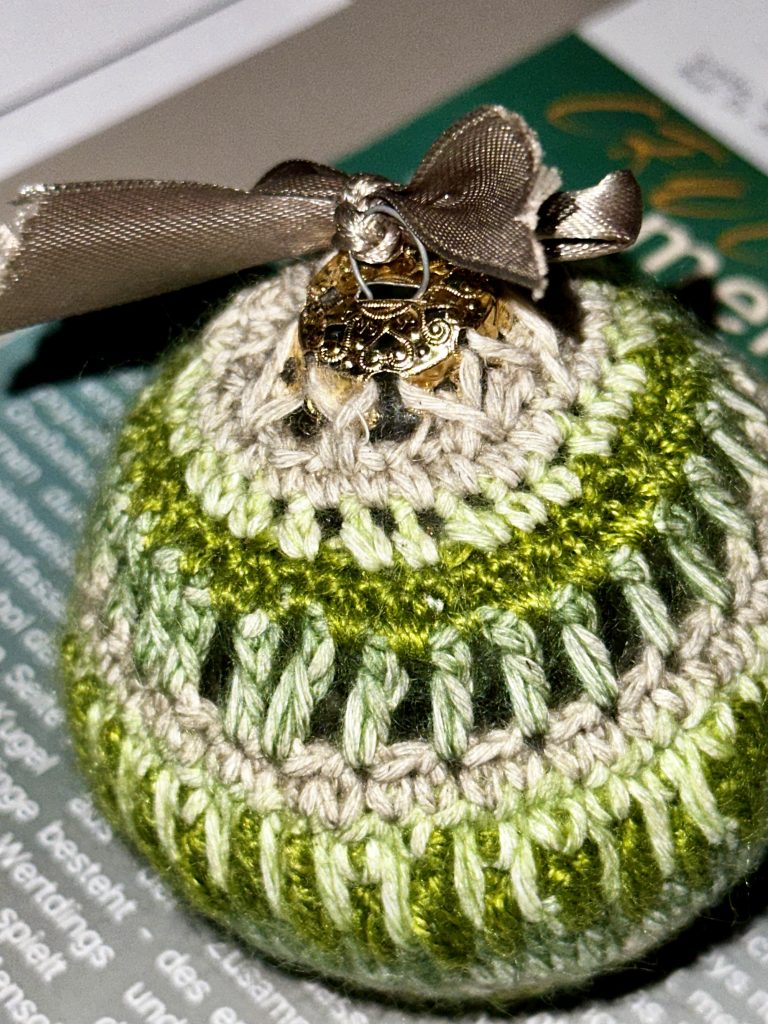
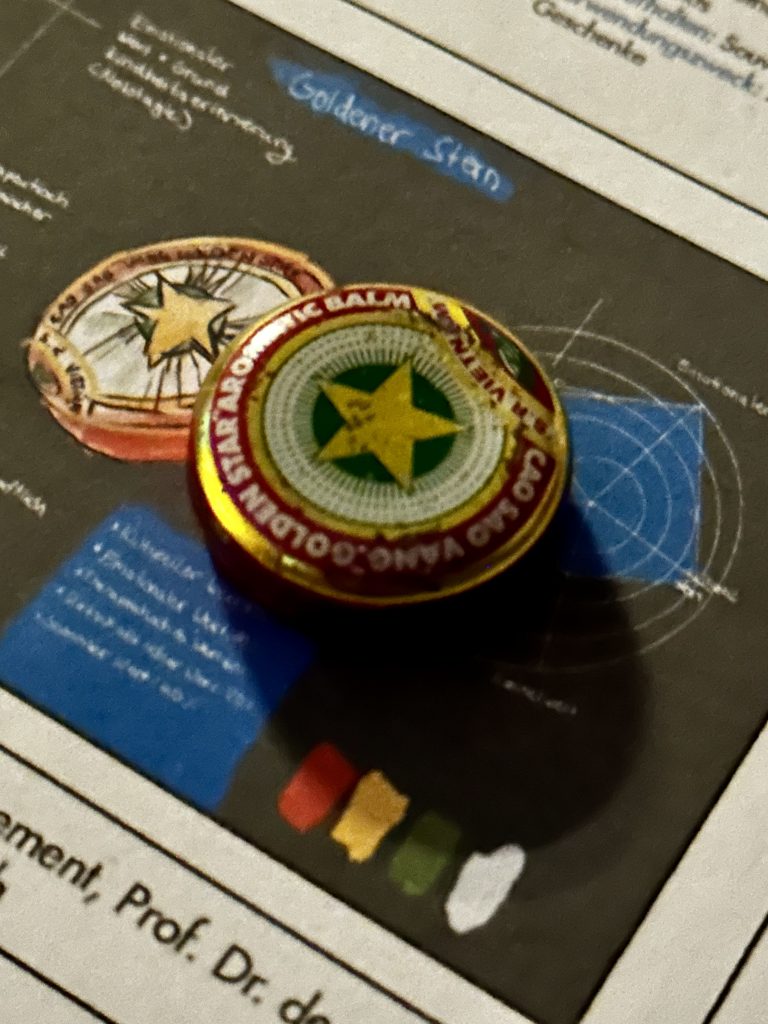
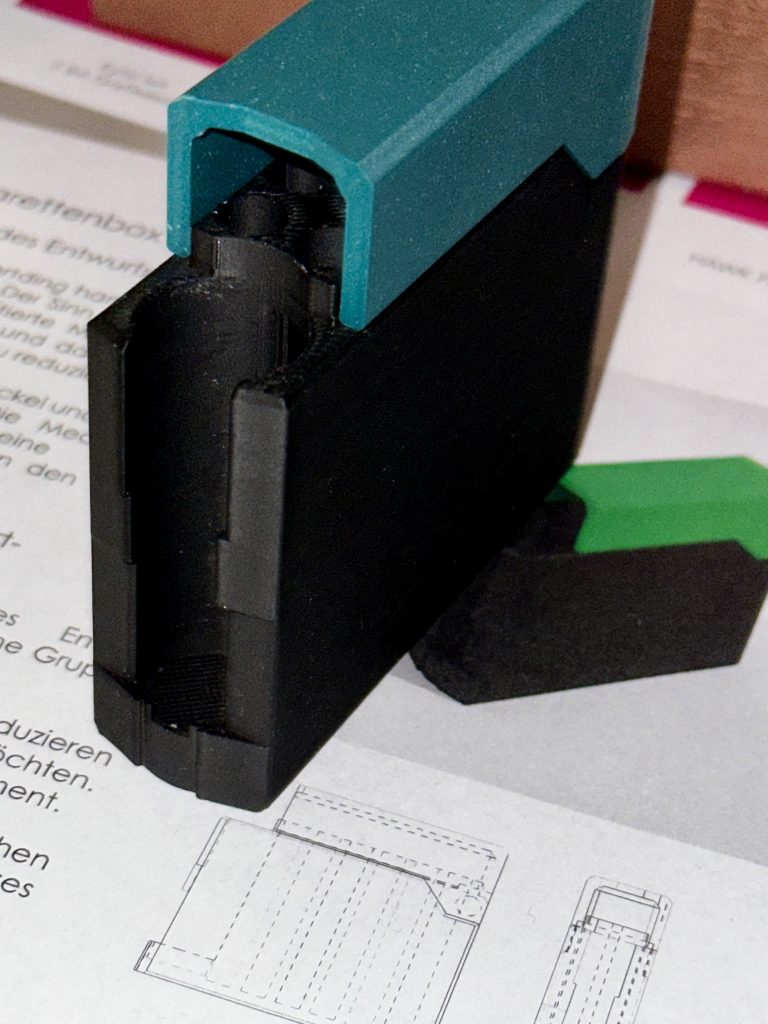
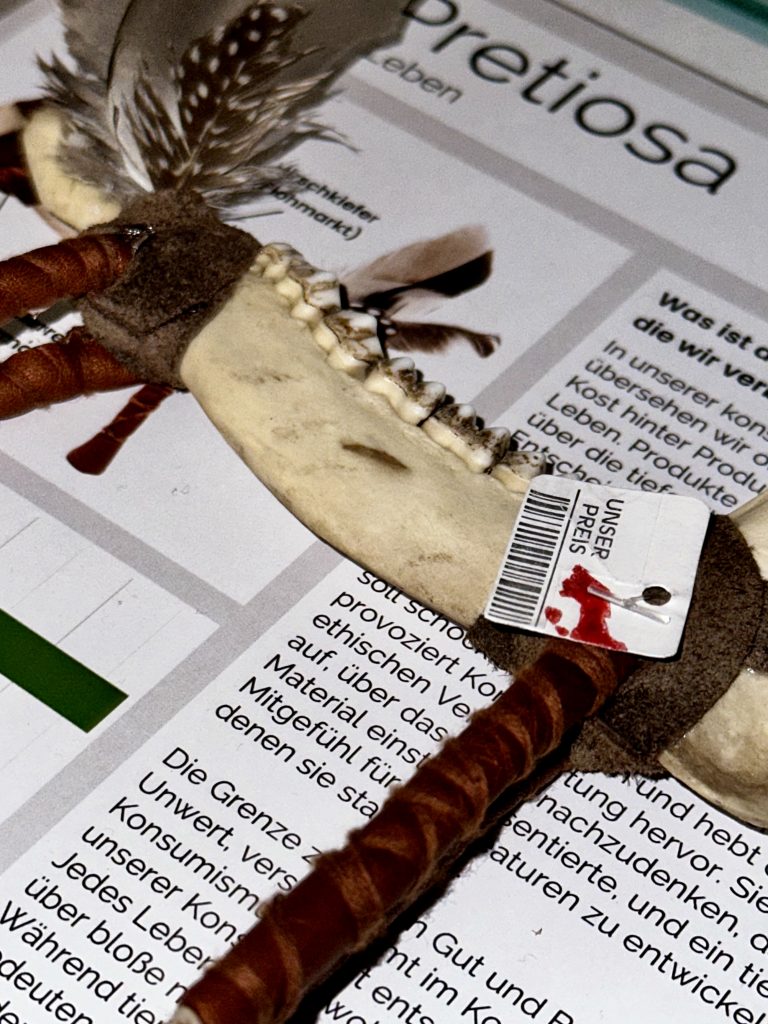
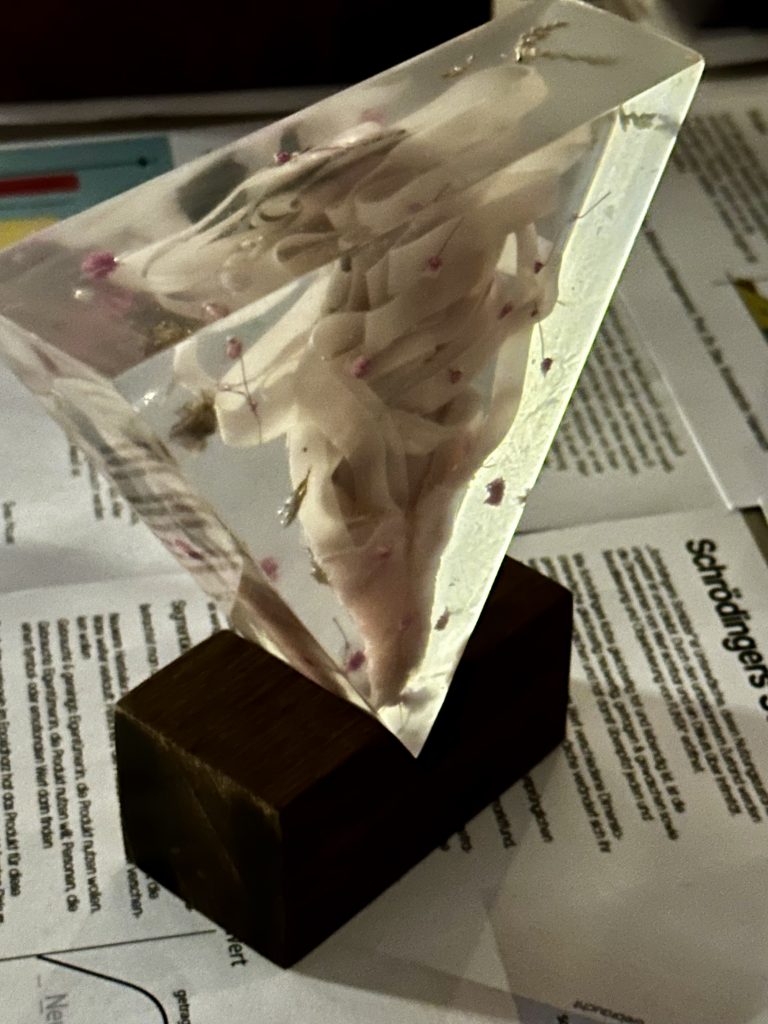

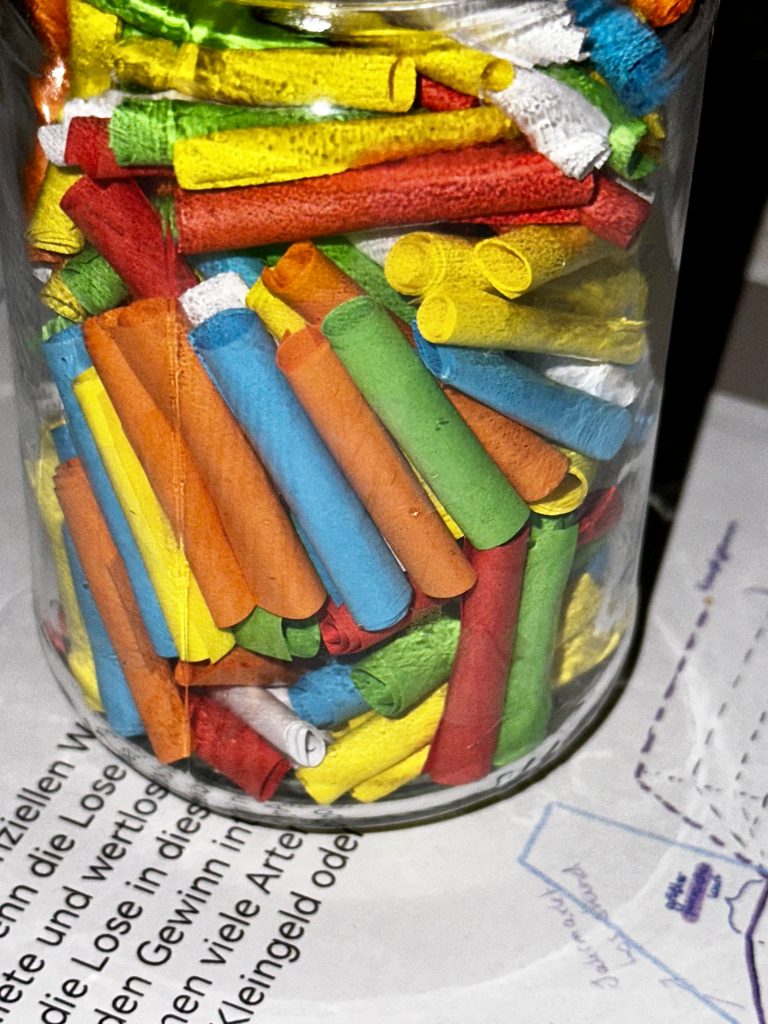
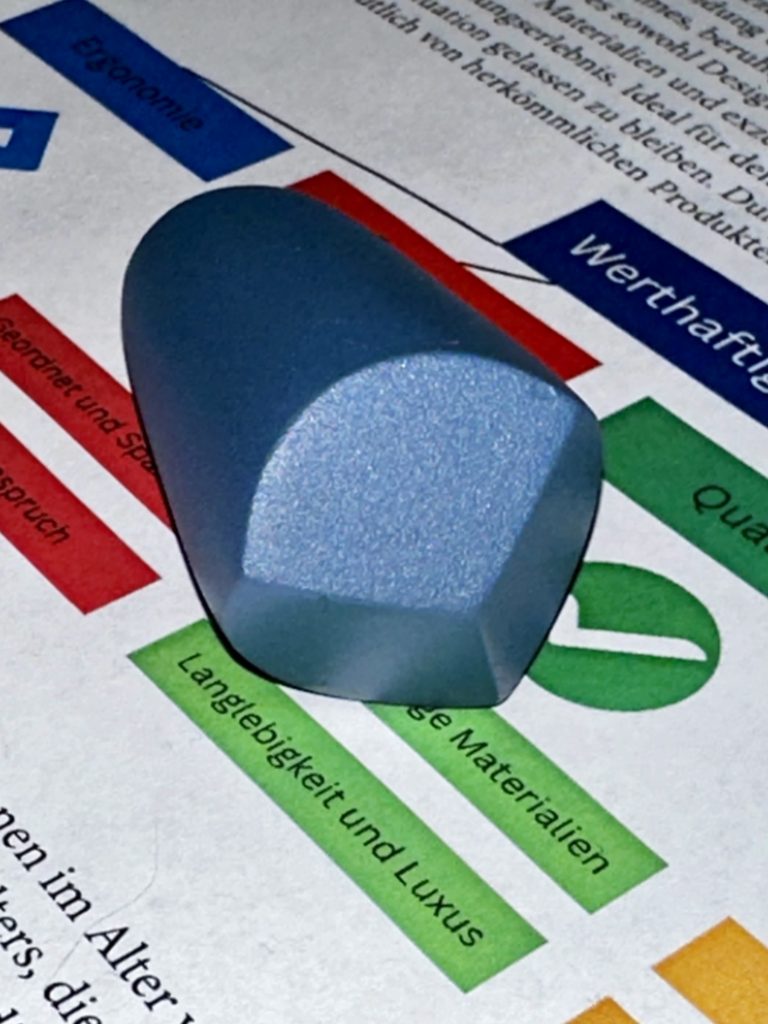
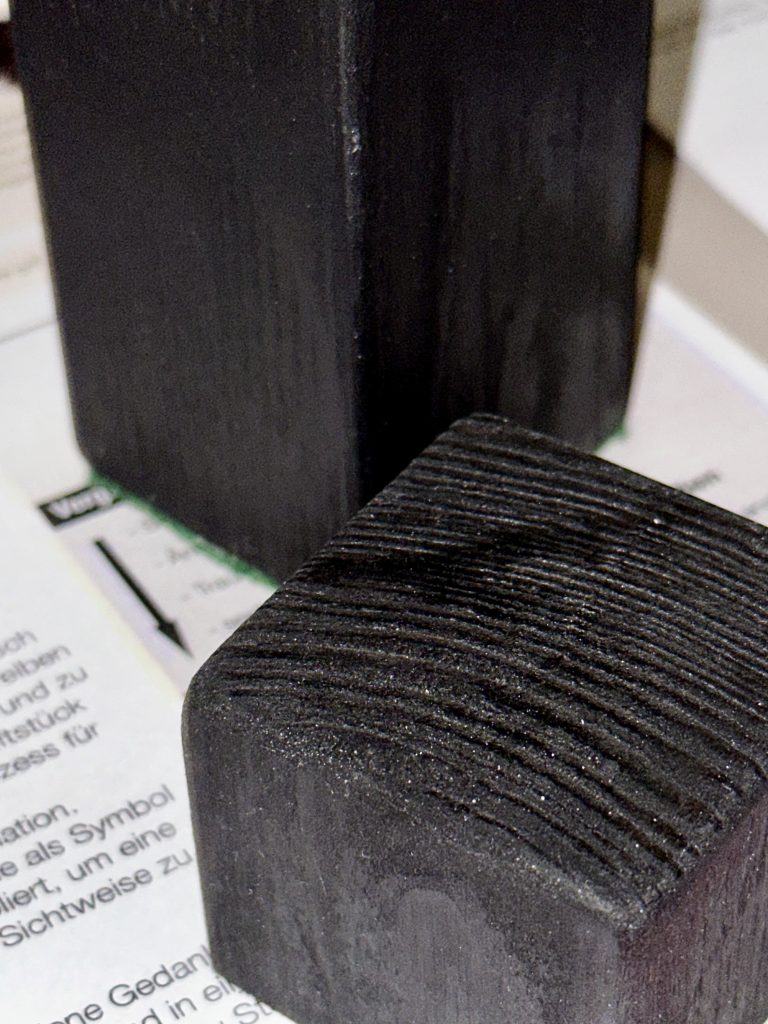
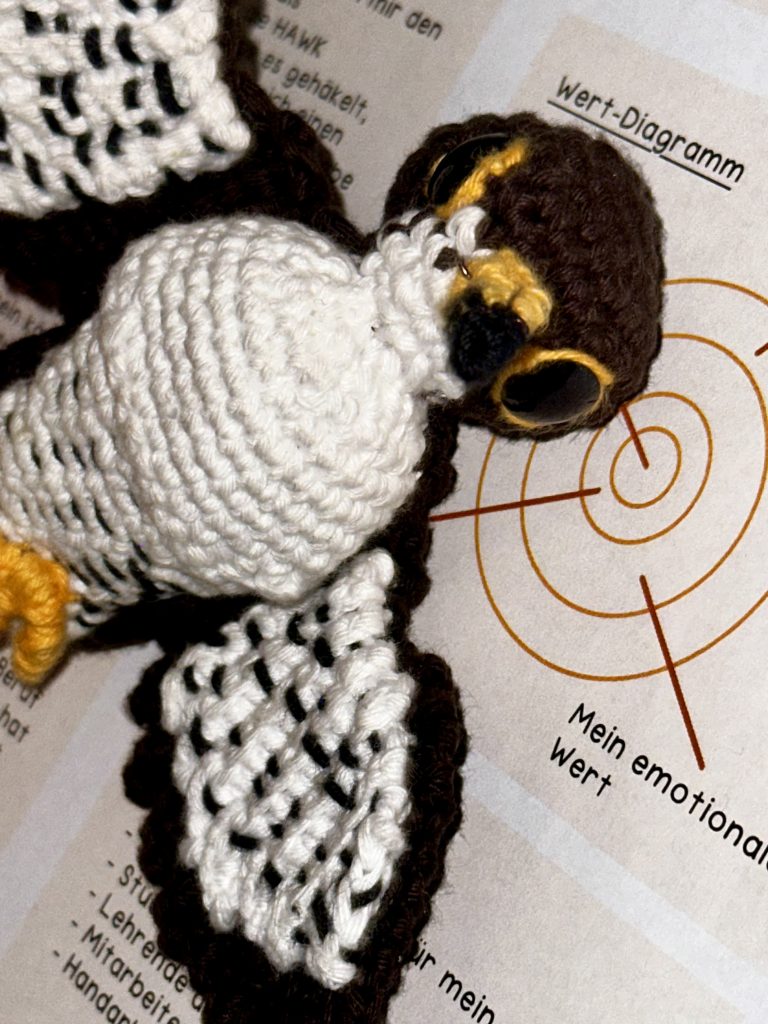
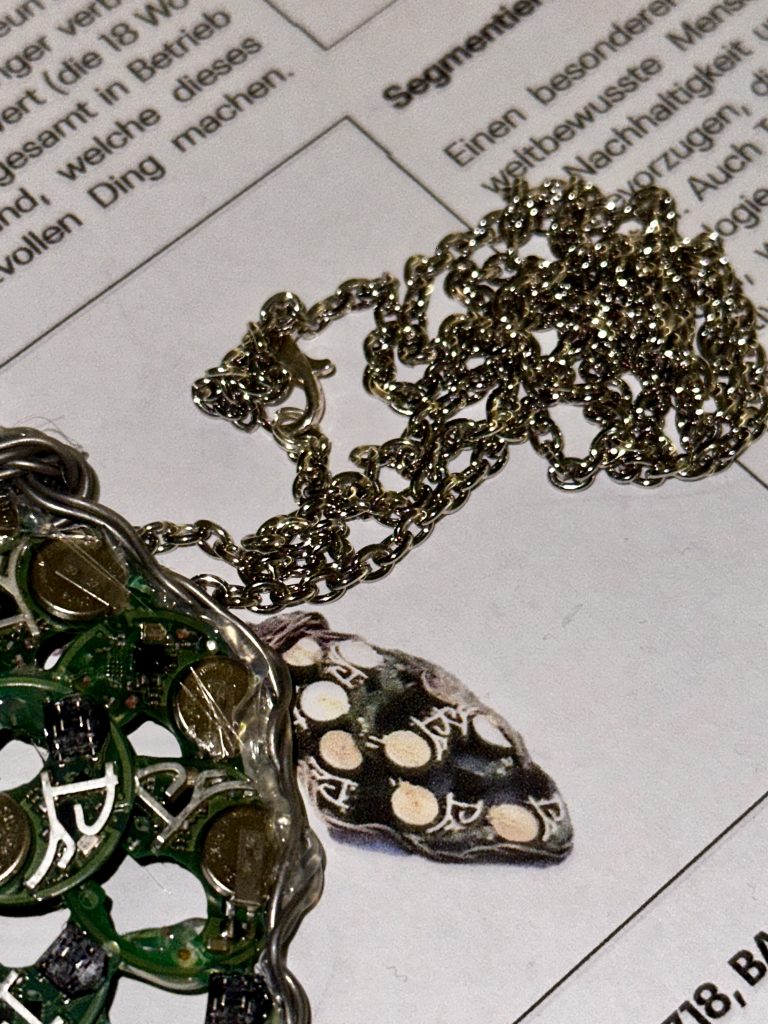
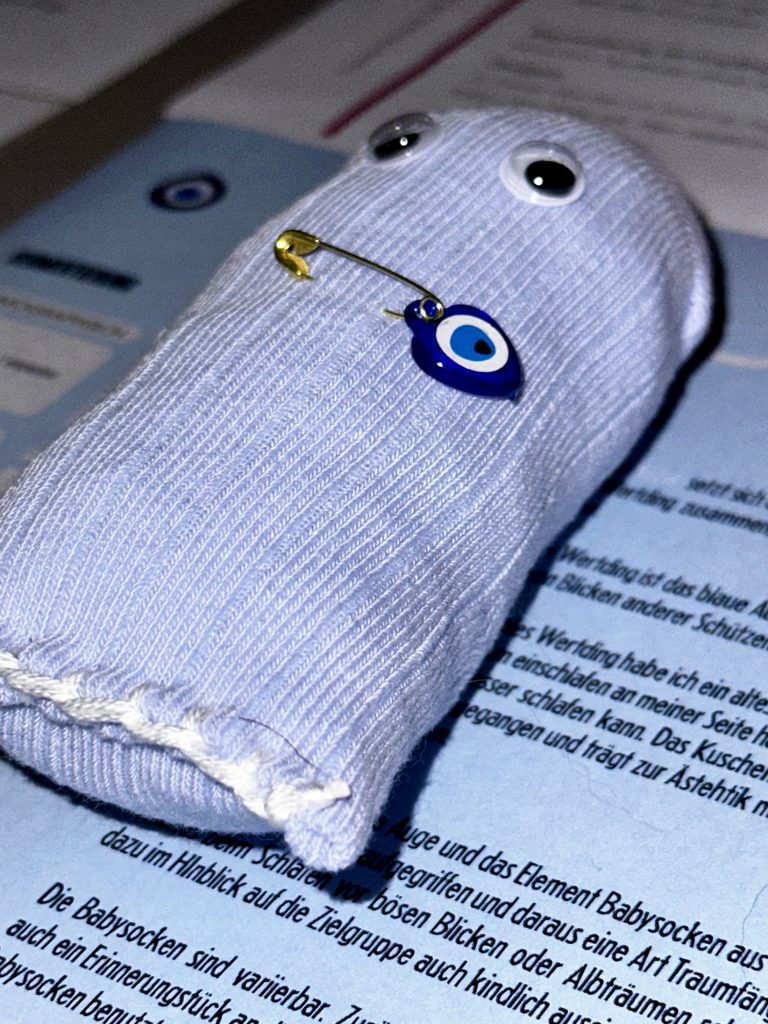
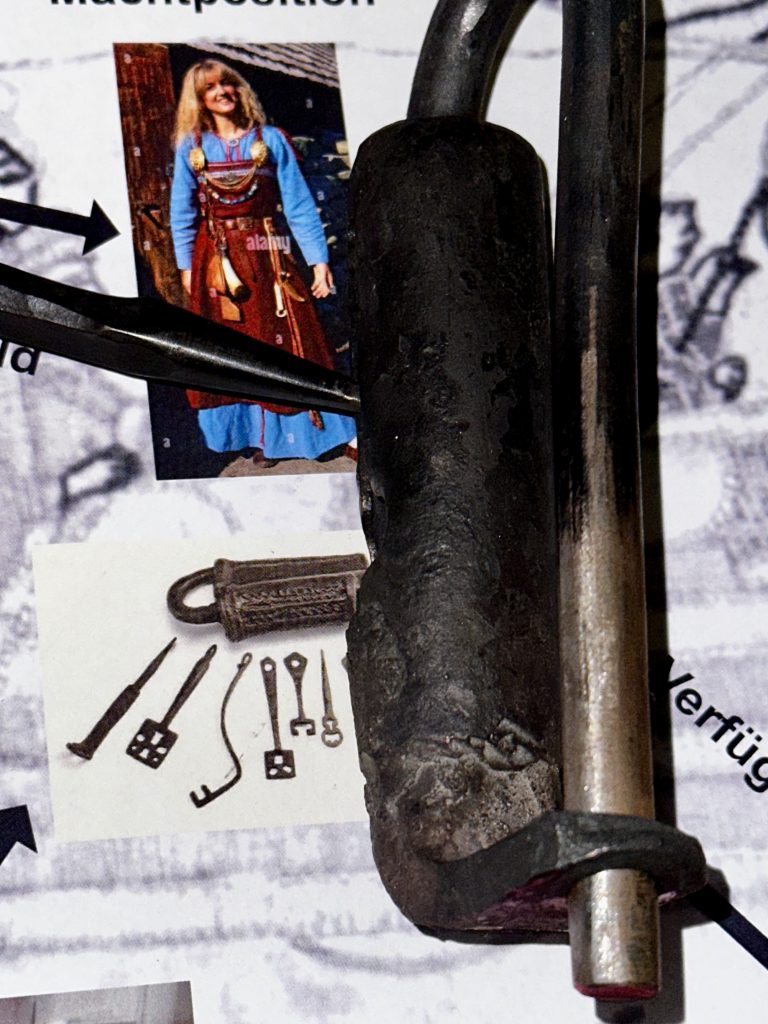
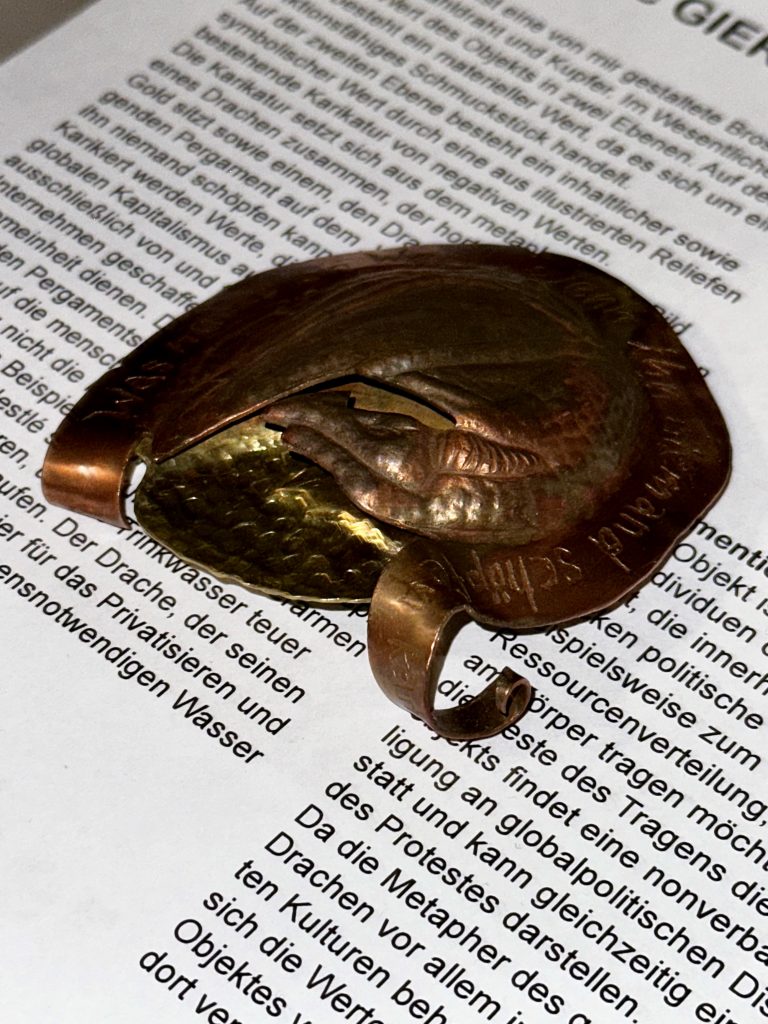
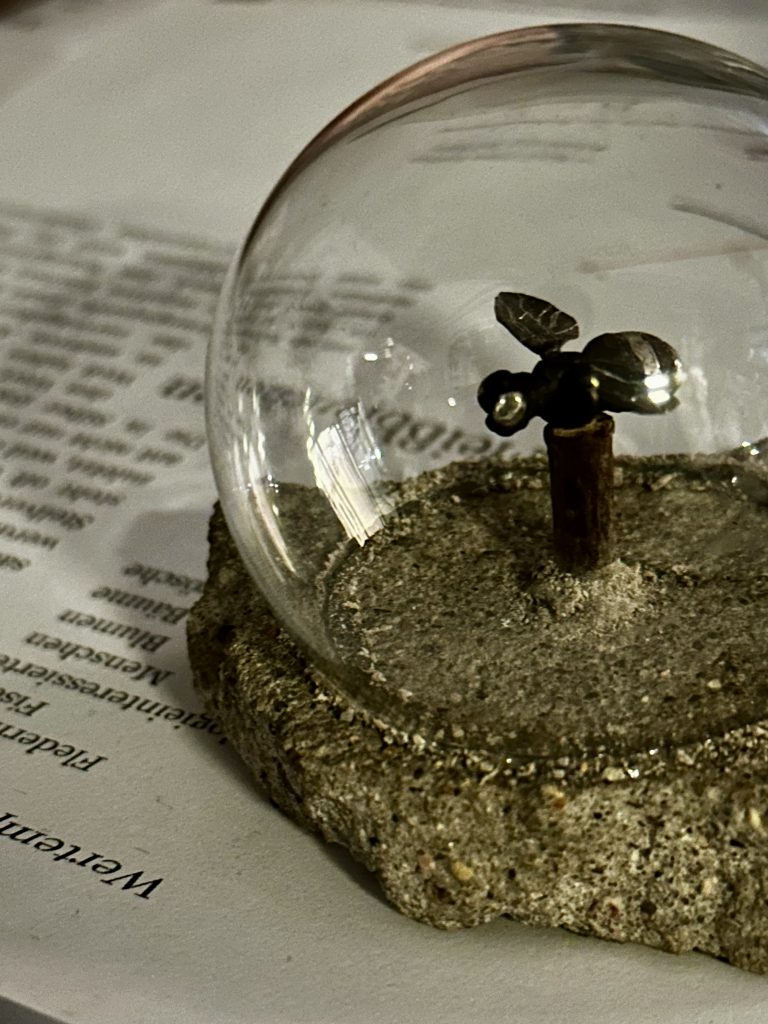
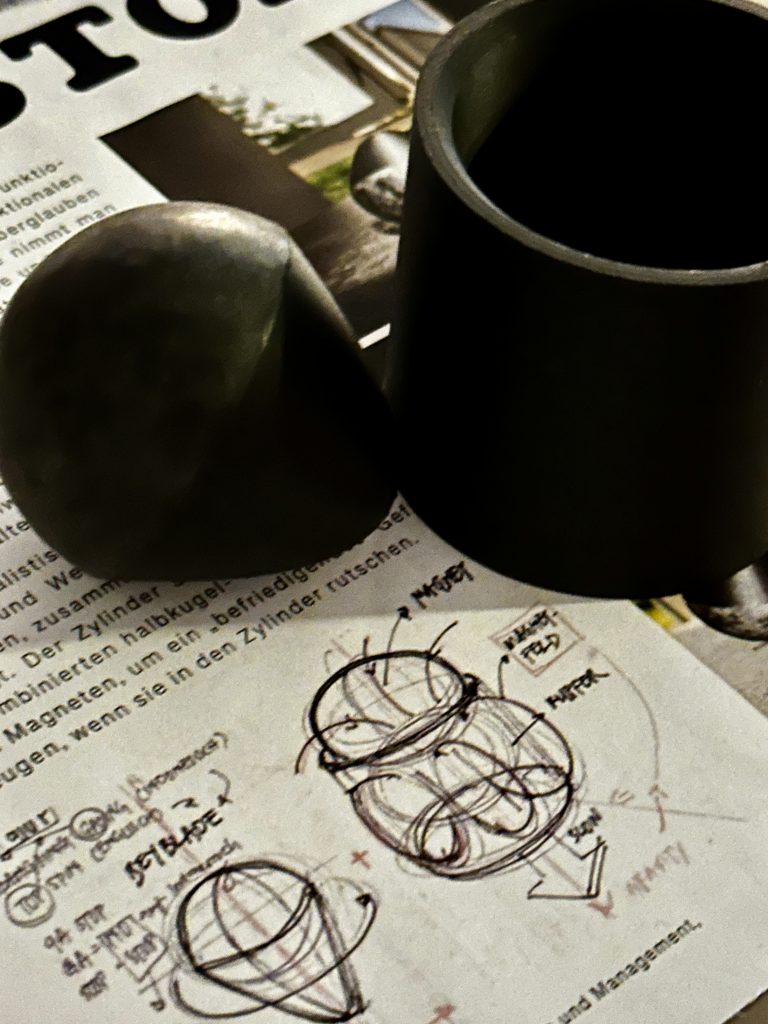

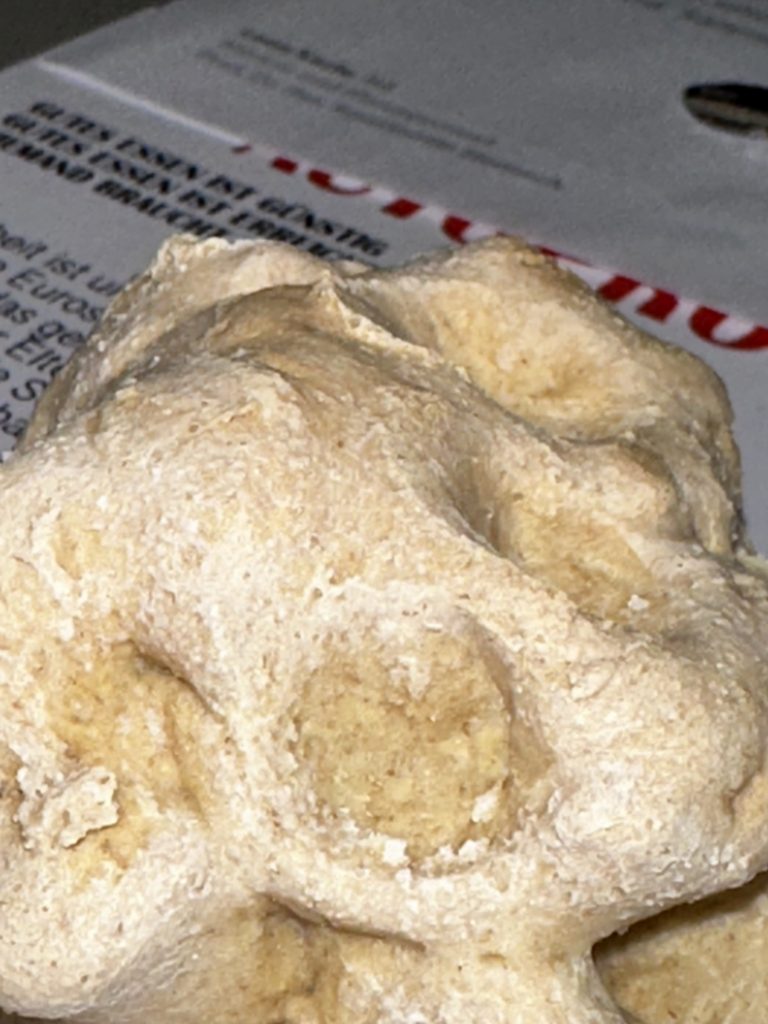
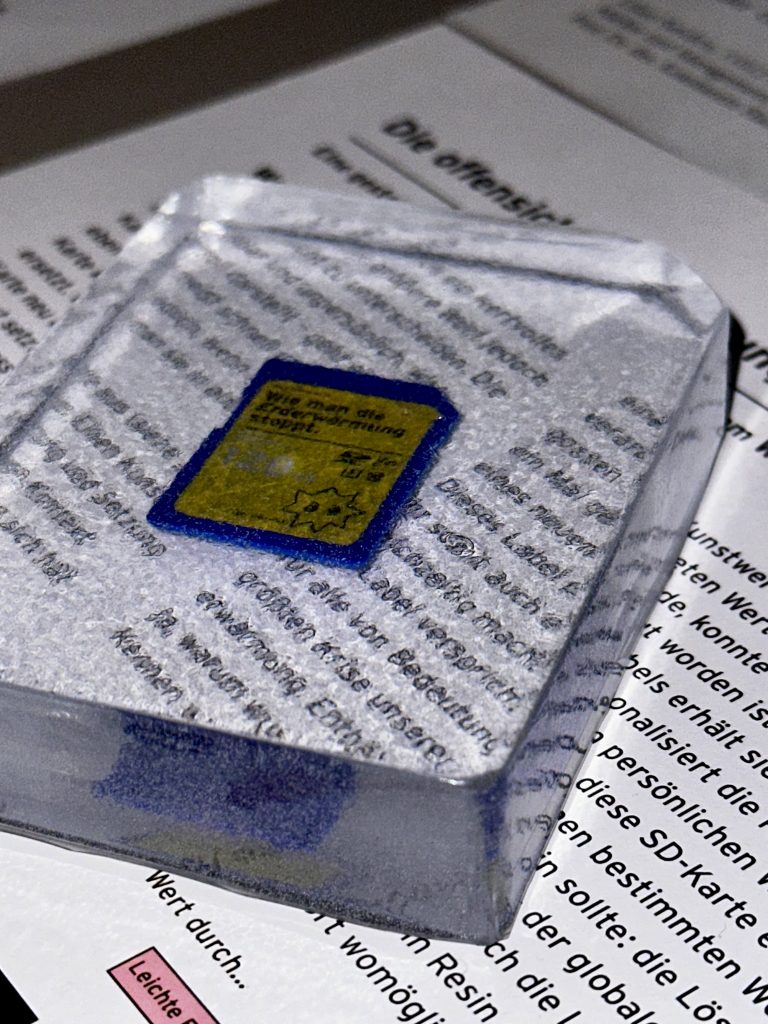
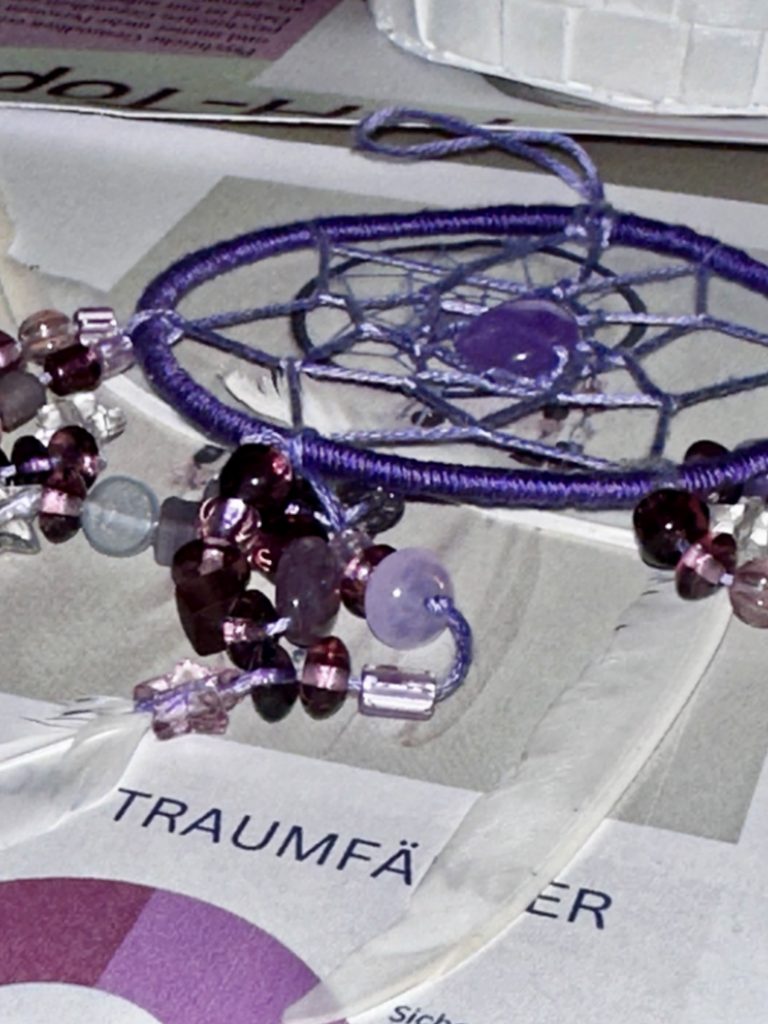
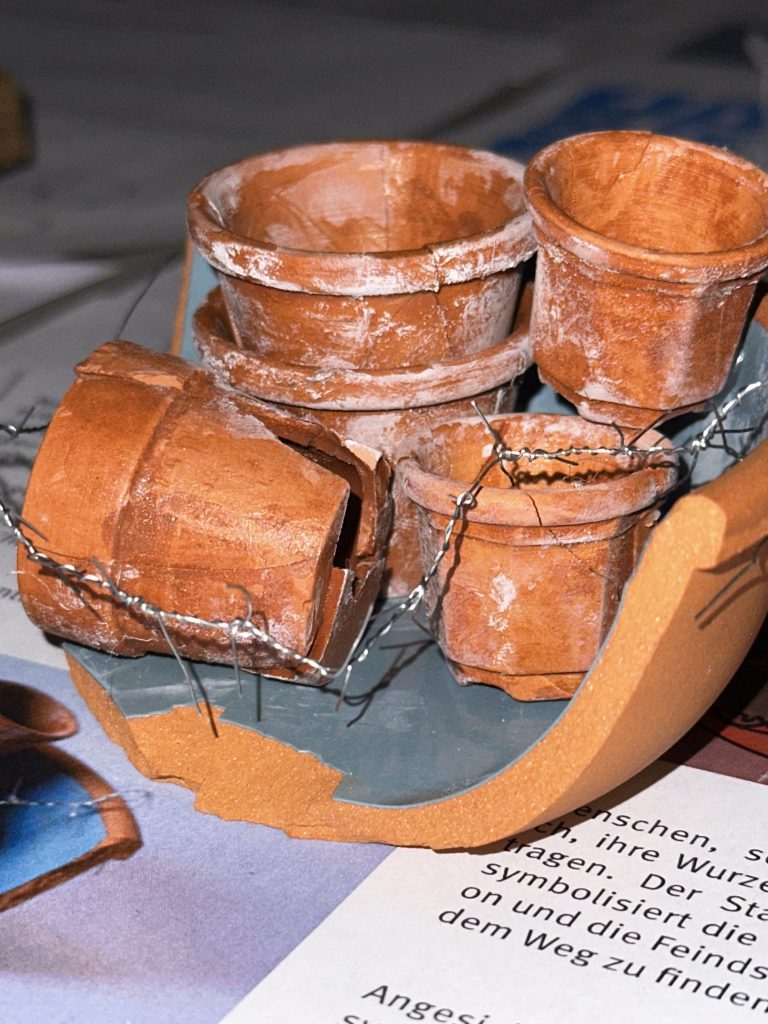

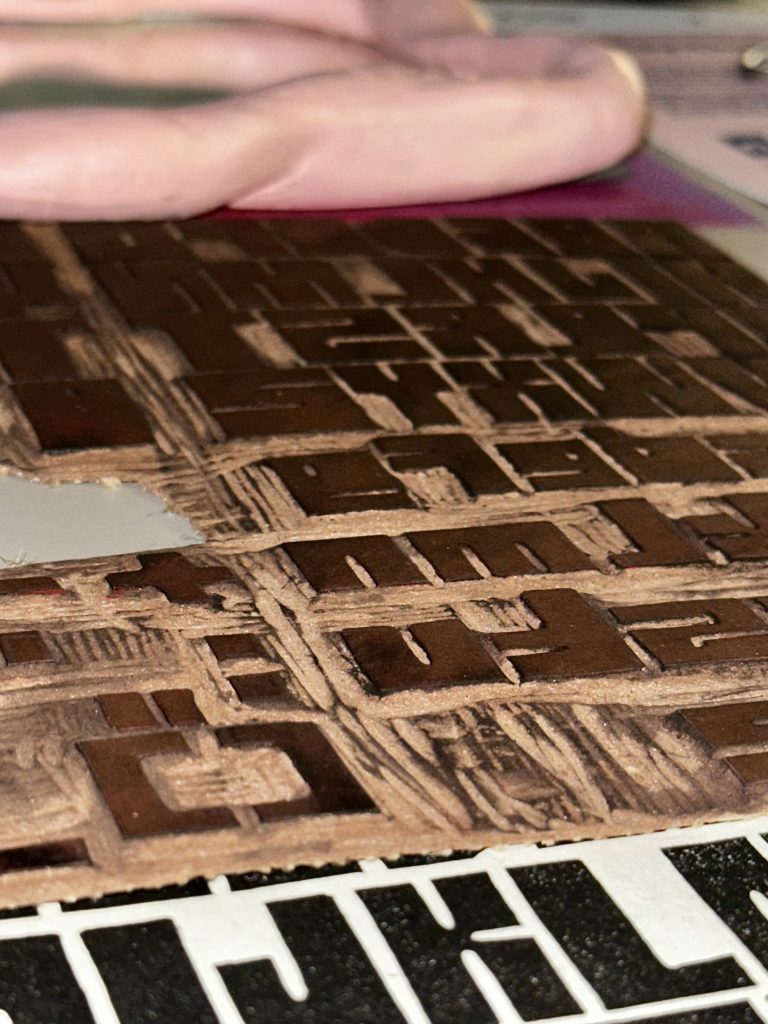
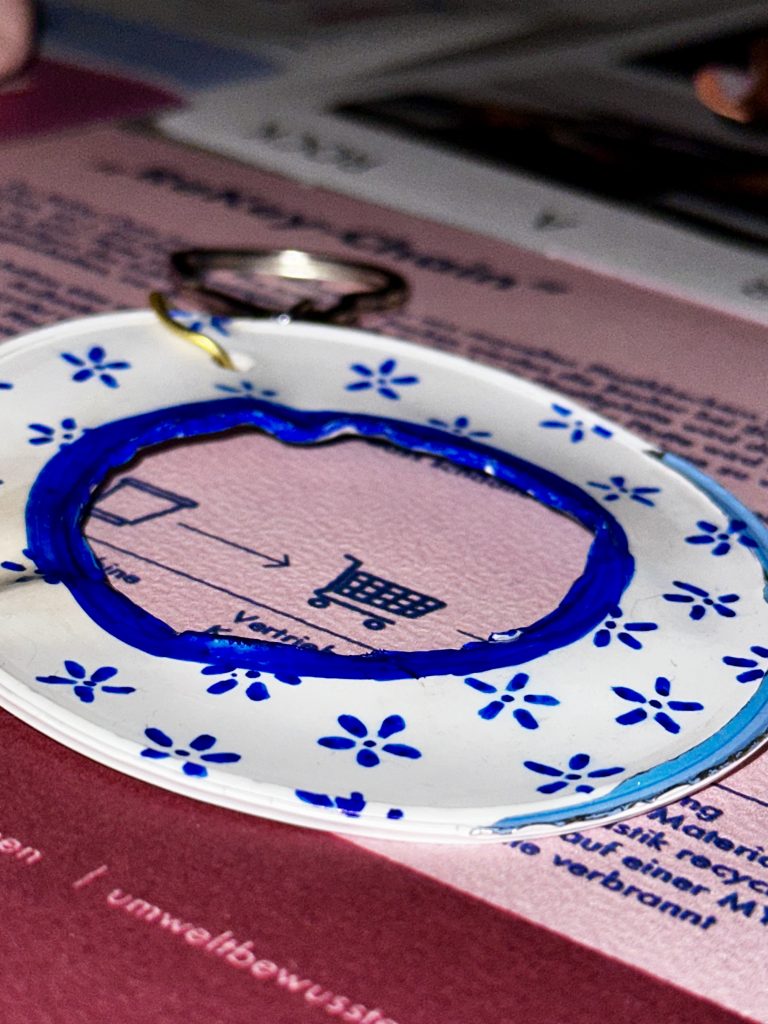
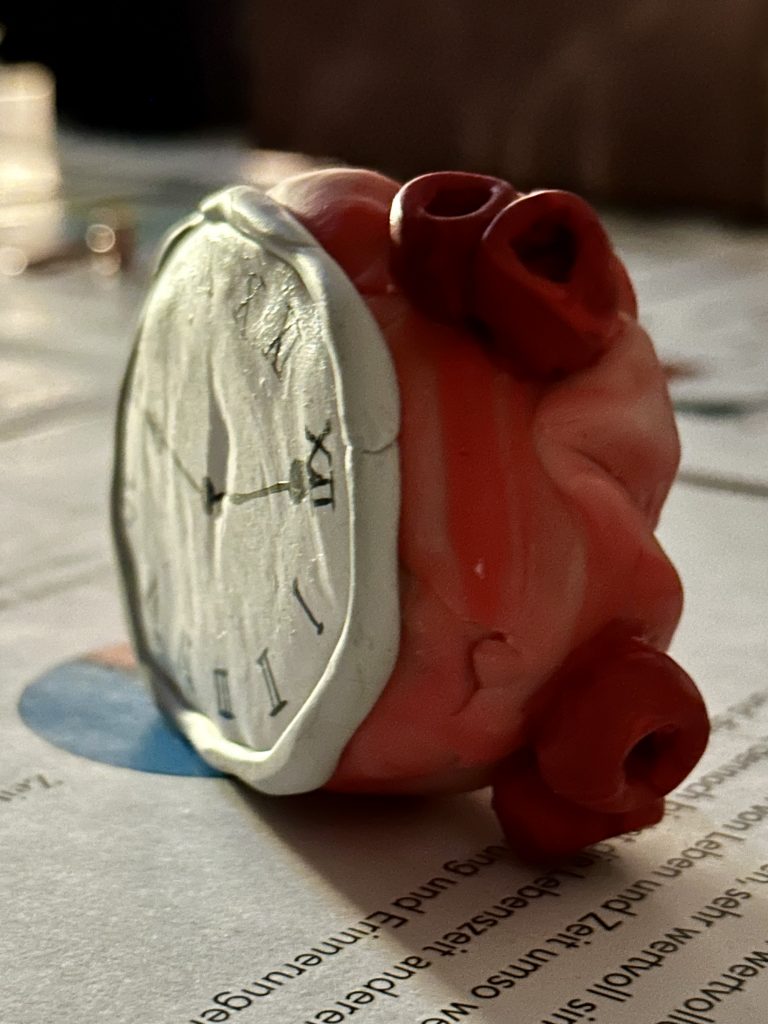
The guidelines were as follows: (1) the „value-thing“ had to fit within the surface of one hand; (2) it had to be non-perishable; and (3) it would become part of the developing Archive of Value-Things. Students then engaged in a multi-stage process of research, ideation, conceptualization, and realization. As an initial orientation, they compiled an inventory of existing value-things, including: „value-creation objects,“ „continuous value-creation objects,“ „art-value objects,“ „material-processing value-objects,“ „brand-value objects,“ „emotional value-things,“ „symbol-value objects,“ „magical things,“ „animal-value objects,“ and “negative-value objects.“ Subsequently, students developed ideas for their own „value-thing“ and grounded these conceptually. Sketches evolved into prototypes, which—after disciplinary input from Prof. Melanie Isverding—were discussed collectively in plenary sessions.
The intellectual transfer achieved by the student cohort was twofold: first, as designers, they engaged with economic, managerial, and strategic frameworks; second, through the development of their value-things, they enacted a material turn of theory itself.
Text: Konstantin Haensch