Loving Animals Yet Still Eating Them?
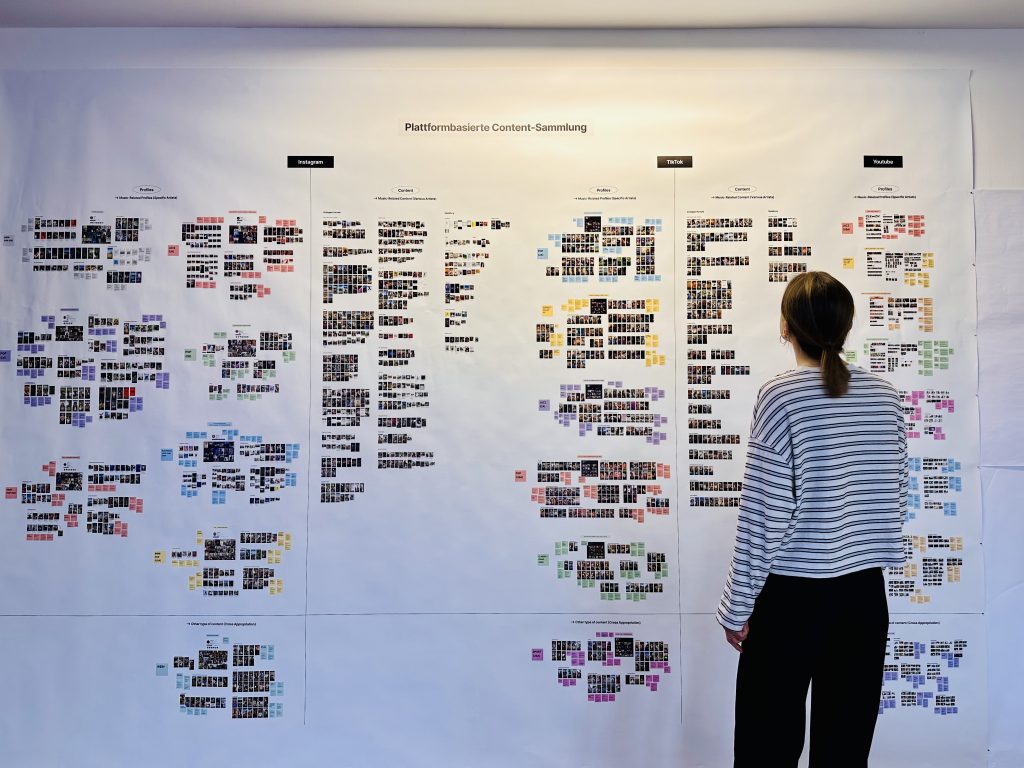
Paradoxes shape consumer behavior around plant-based diets and open a window onto the conflicting desires and values that guide purchasing decisions. Paradox examines these tensions through interviews and brand analyses. From this research emerged a model outlining five pathways through which vegan substitute brands can engage consumers within this field of contradiction.
This research project examines how contemporary consumer culture—particularly around plant-based diets—is fundamentally structured by paradoxes: people express concern for animals and sustainability while continuing to consume meat; they value health and ethics yet prioritize taste, price, convenience, or social belonging. Through qualitative interviews and brand analyses, the study conceptualizes these tensions as systematic rather than accidental, framing them as recurring contradictions between what consumers believe, do, and communicate.
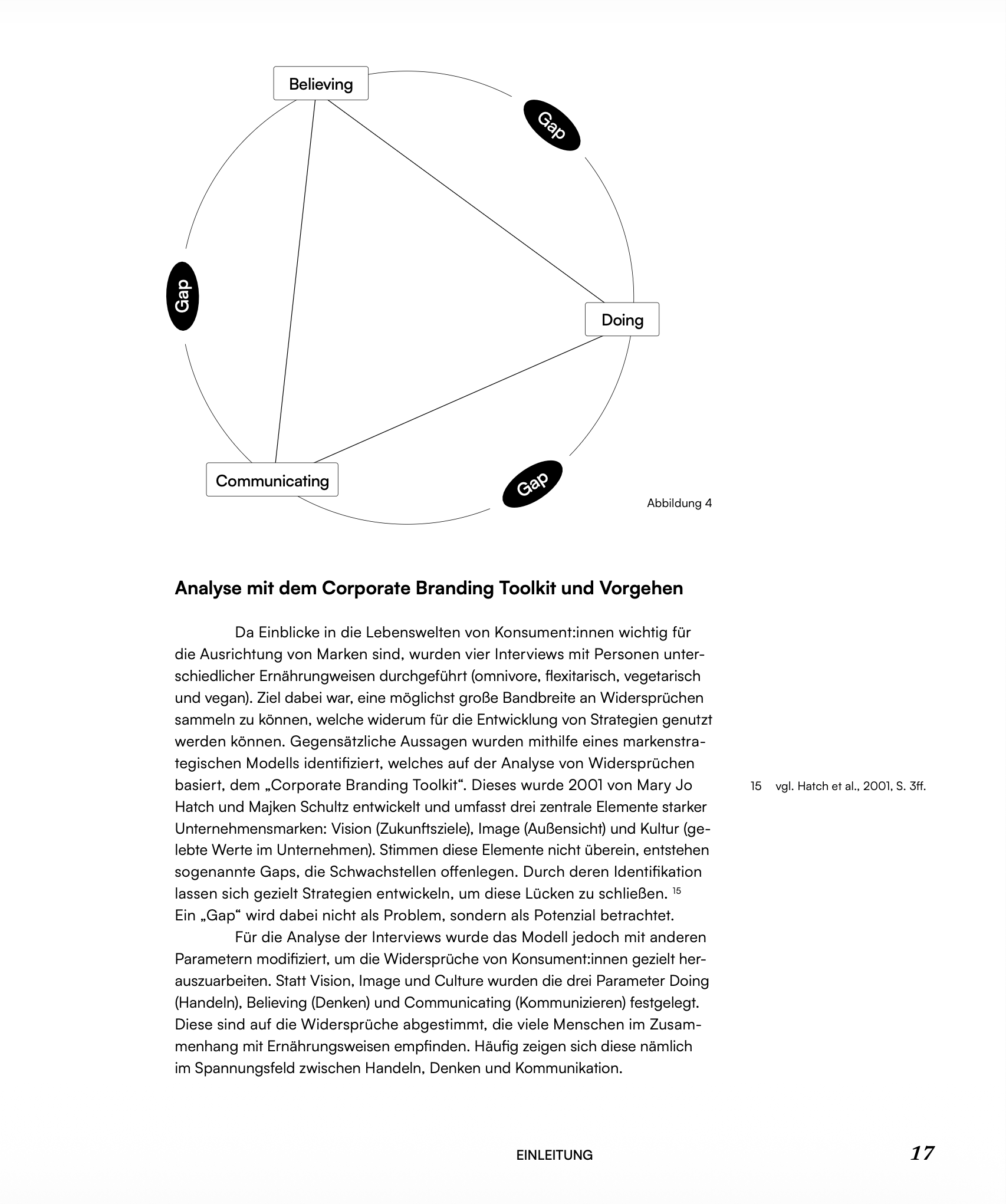
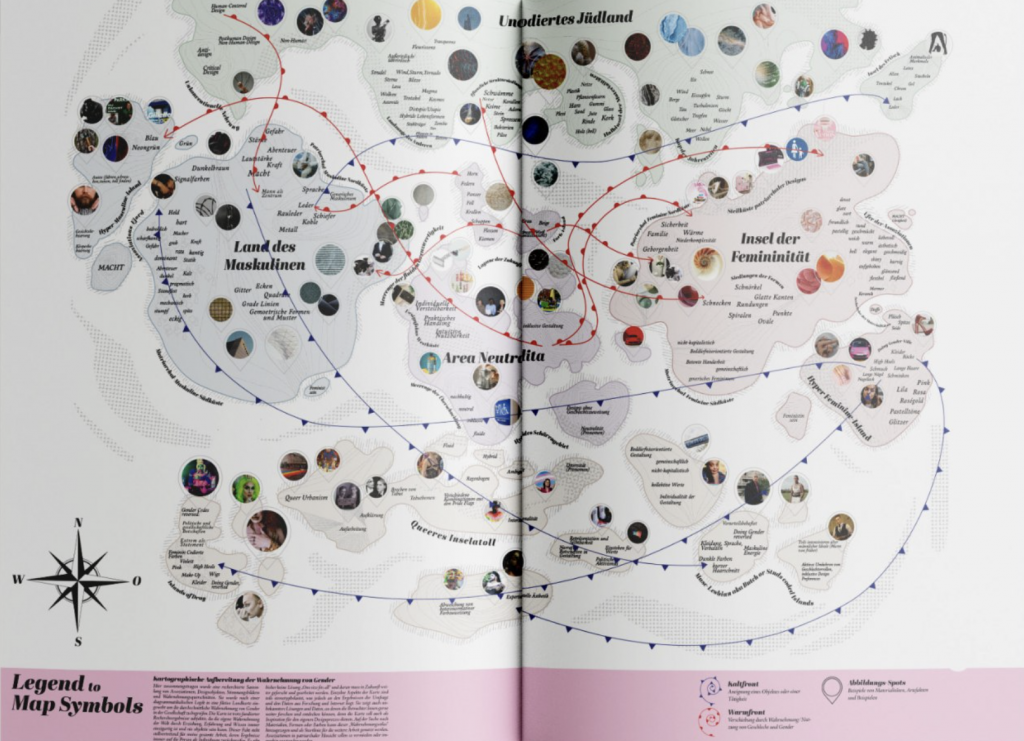
To analyze these dynamics, the project adapts the Corporate Branding Toolkit developed by Hatch and Schultz. Instead of focusing on corporate Vision, Image, and Culture, the model is reconfigured for consumer-culture analysis as Doing, Believing, and Communicating. Misalignments between these dimensions are defined as “Gaps”—not merely problems, but productive analytical sites where cultural tensions become visible and where strategic intervention is possible . The study visualizes these gaps across dietary positions (omnivorous to vegan) and popular-cultural references, demonstrating how cognitive dissonance and moral ambivalence structure everyday food practices.
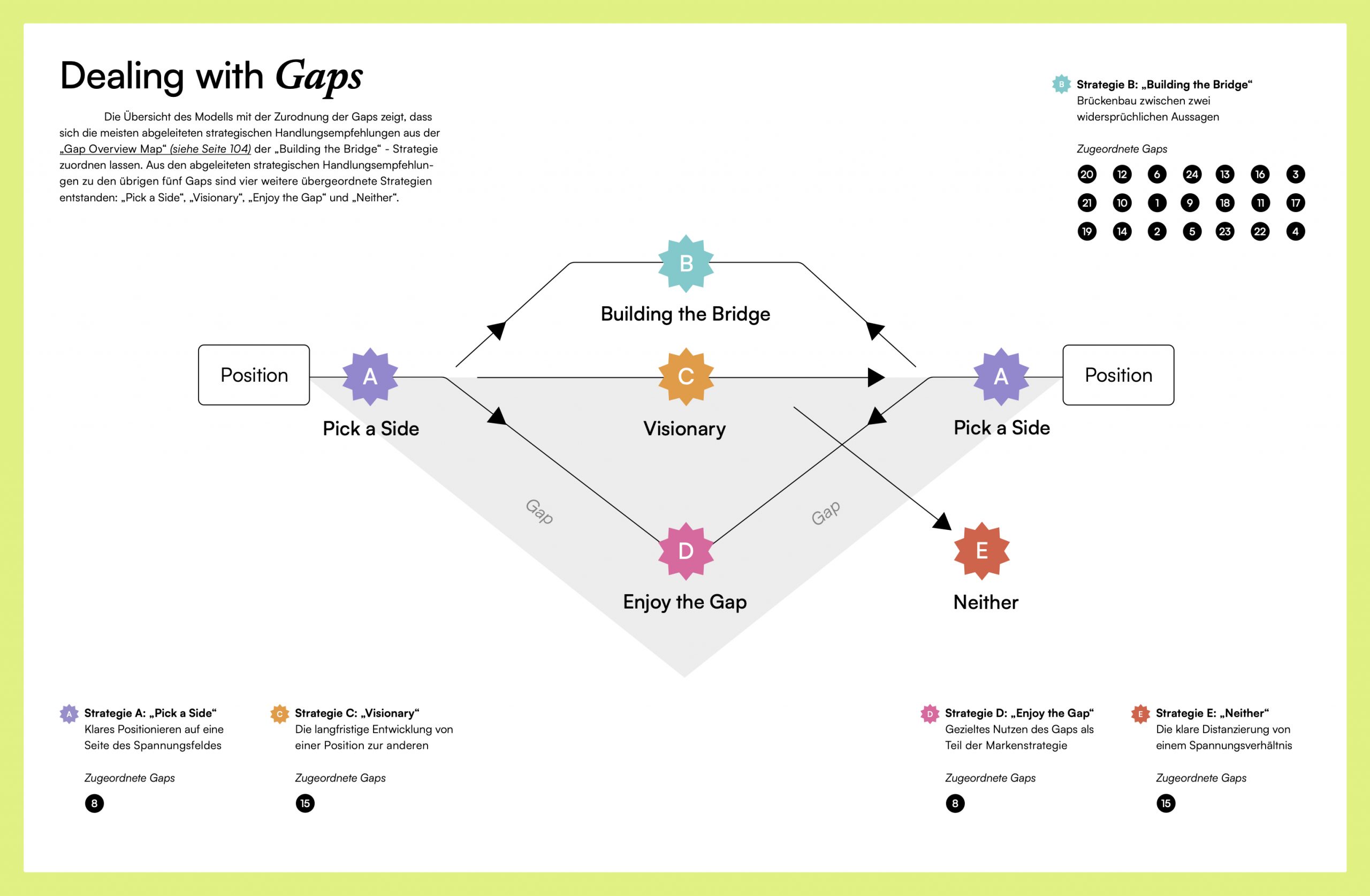
Building on this diagnostic framework, the project develops a strategic model—“Dealing with Gaps”—that outlines five ways brands can respond to or work with these contradictions rather than simply trying to erase them. These include Building the Bridge (mediating between positions), Visionary (pointing toward long-term change), Pick a Side (taking a clear moral stance), Enjoy the Gap (staging the tension productively), and Neither (sidestepping established oppositions through new categories). The model is informed by psychological theories of cognitive dissonance and translated into a branding-strategic decision process that helps organizations choose how strongly to position themselves and how explicitly to communicate contested values.
Applied to leading vegan and hybrid brands, the analysis shows how different market actors already operationalize these approaches: some provoke and politicize contradictions, others normalize gradual transitions, while still others build bridges between traditional meat cultures and plant-based futures. Across cases, the central insight is that successful strategies rarely deny paradoxes; instead, they render them manageable, livable, and narratively productive—turning cultural gaps into spaces for orientation, experimentation, and change within consumer culture.
Master’s Thesis Project 2025
Supervised by: Prof. Konstantin Haensch, Barbara König-Warneboldt