Who Designs our
(digital)(next)(uncanny)(interfacing)
Lifeworlds?
Praxis↭theory Seminars at the Hildesheim Faculty of Design Examine Current Interface Cultures and their Opaque Spheres of Production
Qualitative Design Research and Critical Design Praxistheory at the Nexus of Culture, Interfaces, and Strategy at the M.A. Gestaltung program Faculty of Design, HAWK University of Applied Sciences and Arts (Hildesheim, Germany)
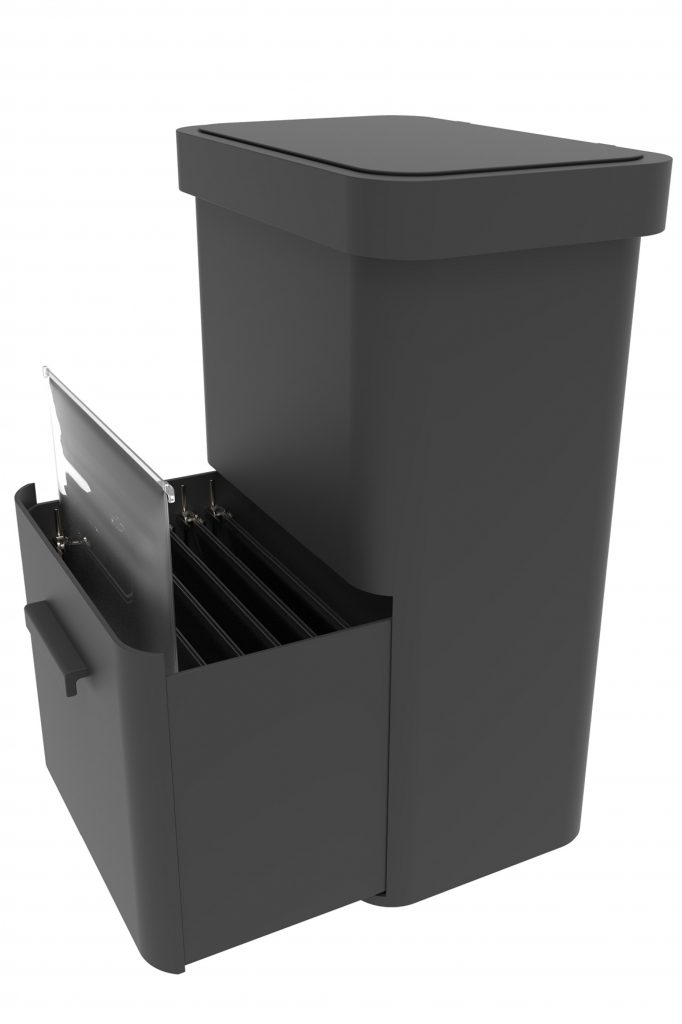
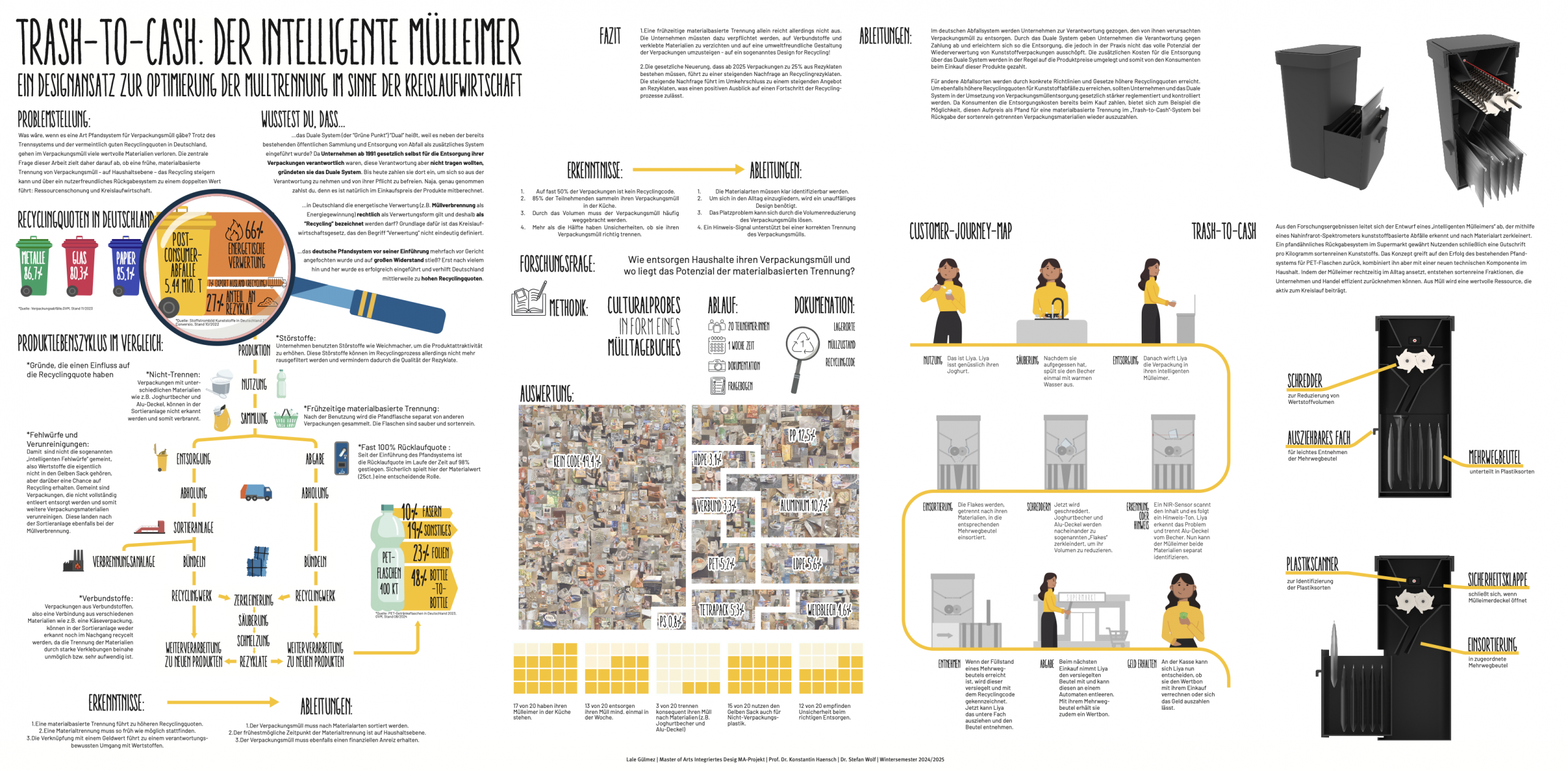
Lale Gülmez: Trash-to-Cash: The Intelligent Trash Can (2025) [German Design Graduate Award]
This M.A. thesis develops and prototypes an “intelligent trash can” designed to improve household-level plastic sorting and thus increase recycling efficiency in Germany. Building on extensive systemic research into waste legislation, packaging streams, and the highly successful PET deposit system, the project identifies a structural gap: unlike deposit bottles, most packaging waste is not separated by material early enough, leading to contamination and low-quality recycling outputs.
The core research phase applies design-led empirical methods—Cultural Probes in the form of week-long waste diaries with 20 households, a detailed questionnaire, and a three-month self-study by the author. Participants photographed every discarded package, documented recycling codes and disposal locations, and reflected on uncertainties and frustrations. The analysis shows recurring problems: packaging waste is usually handled in kitchens, takes up excessive space, lacks clear material labeling, and is rarely separated into its component materials—conditions that strongly informed subsequent design decisions.
From these findings, the thesis advances a research-through-prototyping approach in which insights are translated directly into the physical and functional development of the “Trash-to-Cash” system. The prototype explores early-stage, material-based sorting inside the home, spatial optimization for bulky packaging, and motivational strategies inspired by the deposit scheme—speculating how value attribution or feedback mechanisms might nudge users toward more precise separation. The design work thus functions not only as a solution proposal but as an epistemic device: a way to test how infrastructural, behavioral, and material factors intersect in everyday recycling practices and how domestic interfaces could reconfigure participation in the circular economy.
Lale Gülmez: Trash-to-Cash: Der intelligente Mülleimer
Master’s Thesis Project 2025 Supervised by: Prof. Konstantin Haensch, Dr. Stefan Wolf
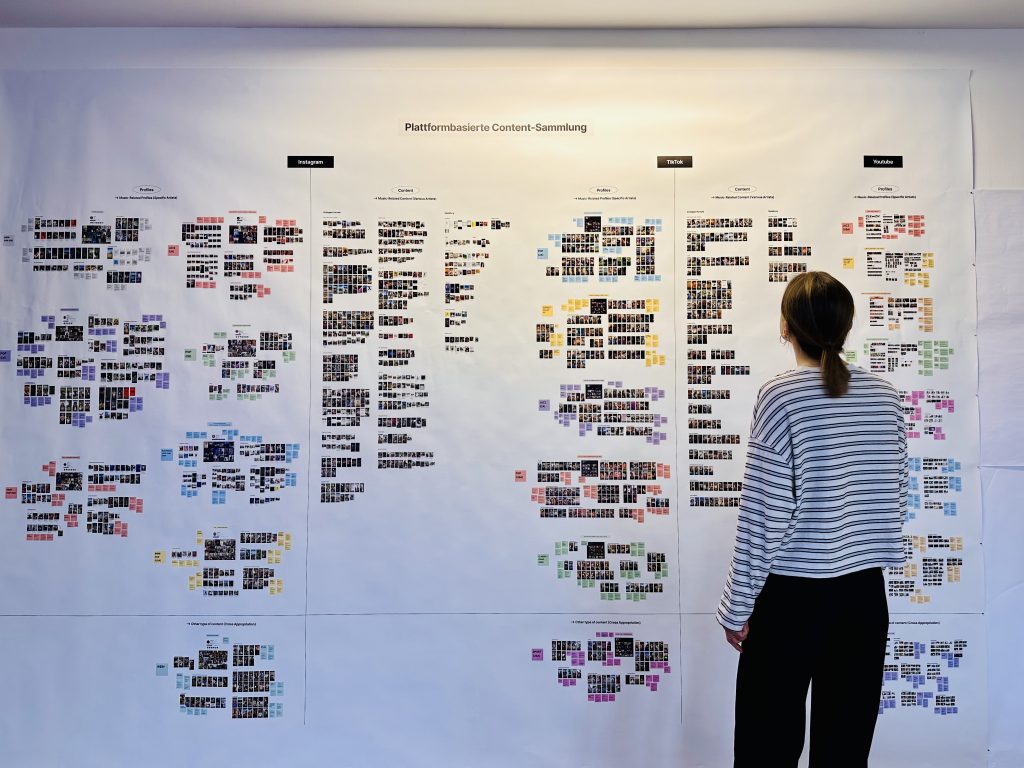
This master’s thesis investigates how content strategies on TikTok can contribute to the visibility of artistic practice in jazz. Situating TikTok within the broader digital transformation of music cultures, the study examines how platform logics, algorithmic structures, and short-form video aesthetics reshape the conditions under which jazz musicians can present their work. Rather than focusing […]
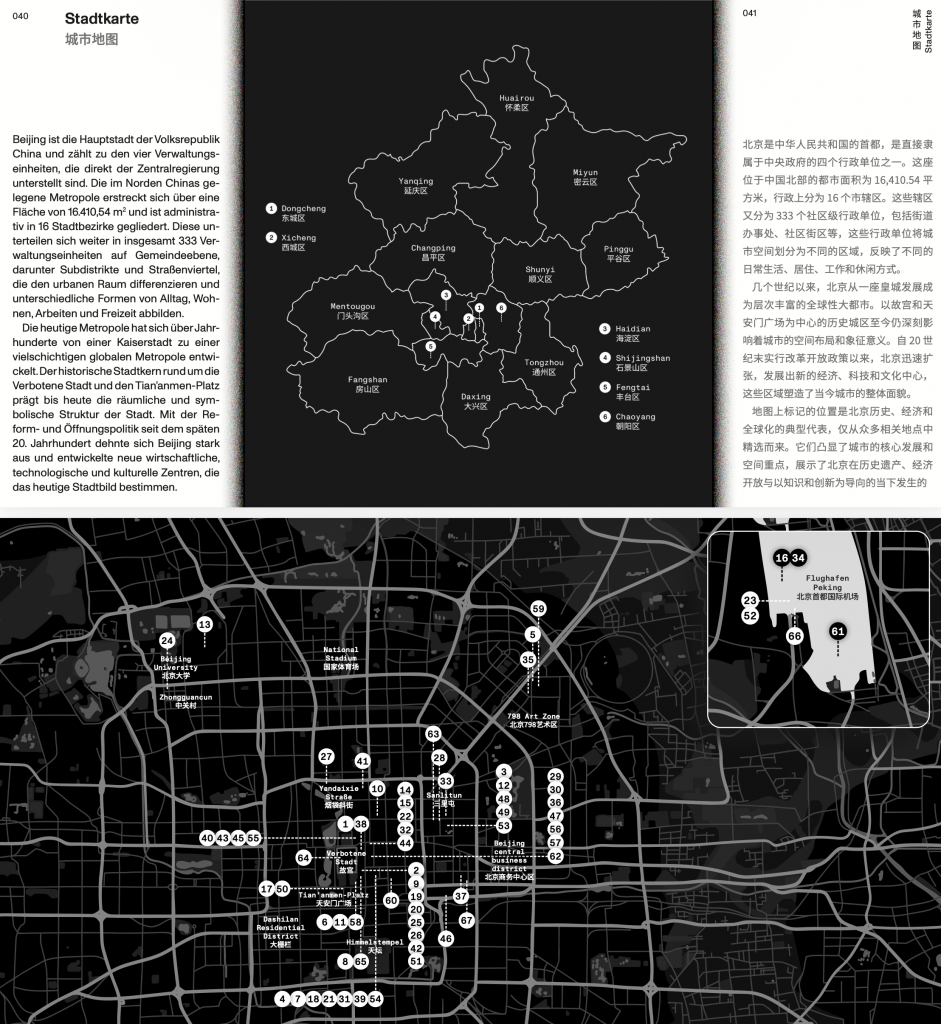
This master’s thesis investigates how design can function as a research practice that makes knowledge in intercultural contexts visible and experientially accessible. Based on the project Concepts Trouvés, which examined English-language terms found in Beijing’s urban commercial landscape, the work reflects on how design ethnography and Research through Design can explicate implicit knowledge embedded in […]
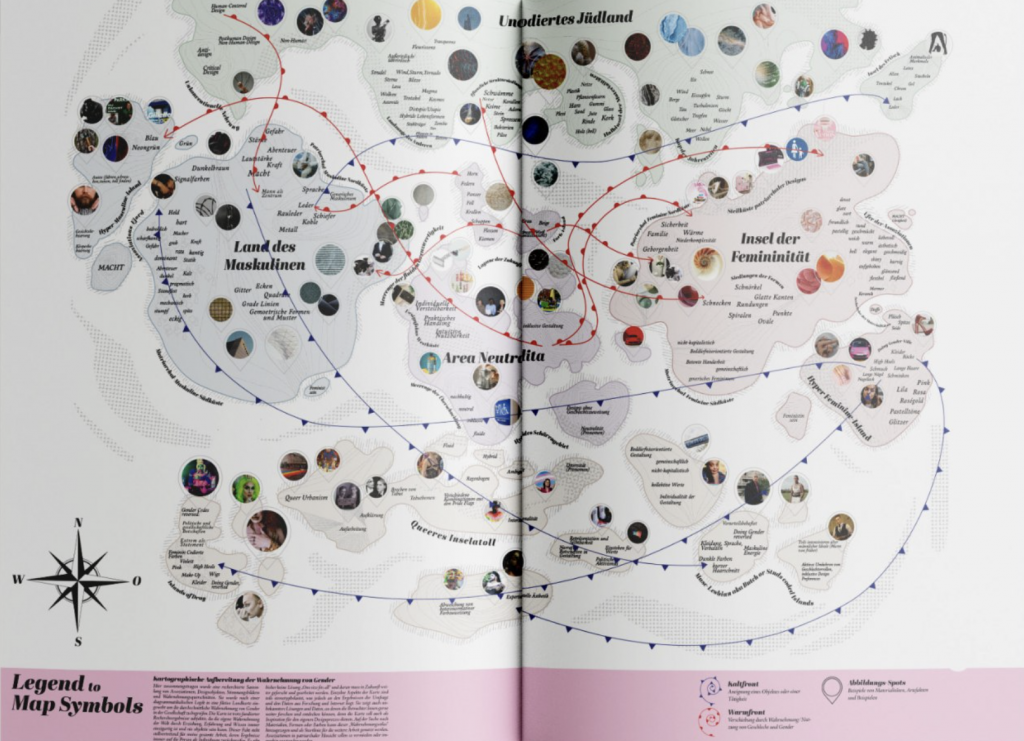
This master’s thesis investigates how patriarchal structures and gender stereotypes are embedded in everyday products, spatial environments, and professional design processes. Combining feminist theory, sociological concepts such as Doing Gender, and contemporary design research, the project analyzes historical genealogies of gendered form, materiality, and usability while grounding these perspectives in an empirical user survey. The […]