Who Designs our
(digital)(next)(uncanny)(interfacing)
Lifeworlds?
Praxis↭theory Seminars at the Hildesheim Faculty of Design Examine Current Interface Cultures and their Opaque Spheres of Production
Qualitative Design Research and Critical Design Praxistheory at the Nexus of Culture, Interfaces, and Strategy at the M.A. Gestaltung program Faculty of Design, HAWK University of Applied Sciences and Arts (Hildesheim, Germany)
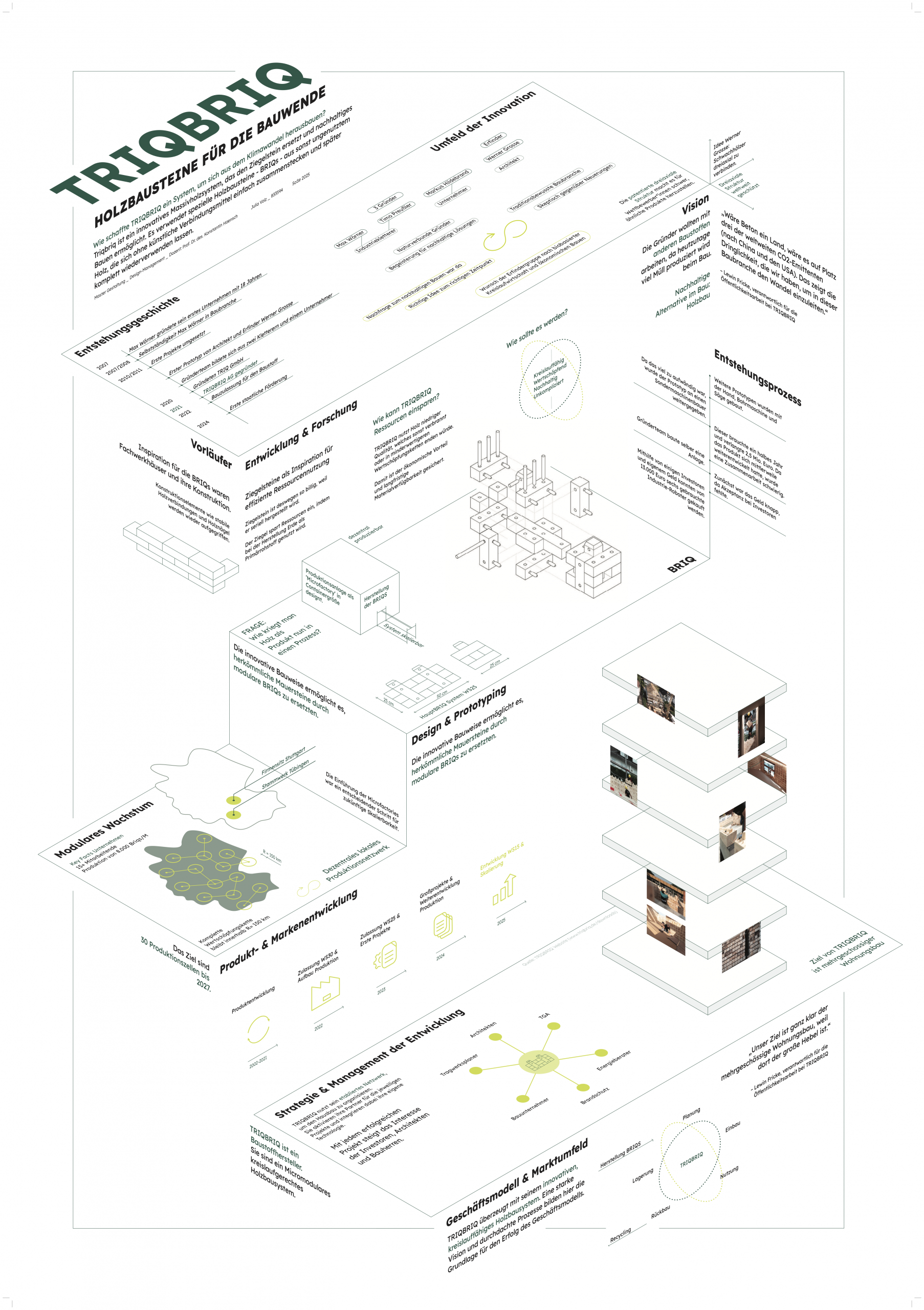
Julia Volz: “TRIQBRIQ – Wooden Building Blocks for the Construction Transition” (2025)
The seminar work analyzes TRIQBRIQ as a case study in sustainable construction innovation, focusing on how modular solid-wood blocks (BRIQs) can replace conventional masonry while enabling circular, low-carbon building practices. The system uses lower-grade wood that would otherwise be burned or down-cycled, assembling it into patented, three-axial elements that require no synthetic binders and can be dismantled and fully reused. The presentation mapped the company’s long development path—from early prototypes and inspirations from historic timber construction to regulatory approvals, pilot projects, and scaling strategies—highlighting decentralized “microfactory” production cells and regional value chains as key to growth and carbon reduction.
Julia Volz: „TRIQBRIQ – Holzbausteine für die Bauwende“
Seminar work supervised by: Prof. Konstantin Haensch
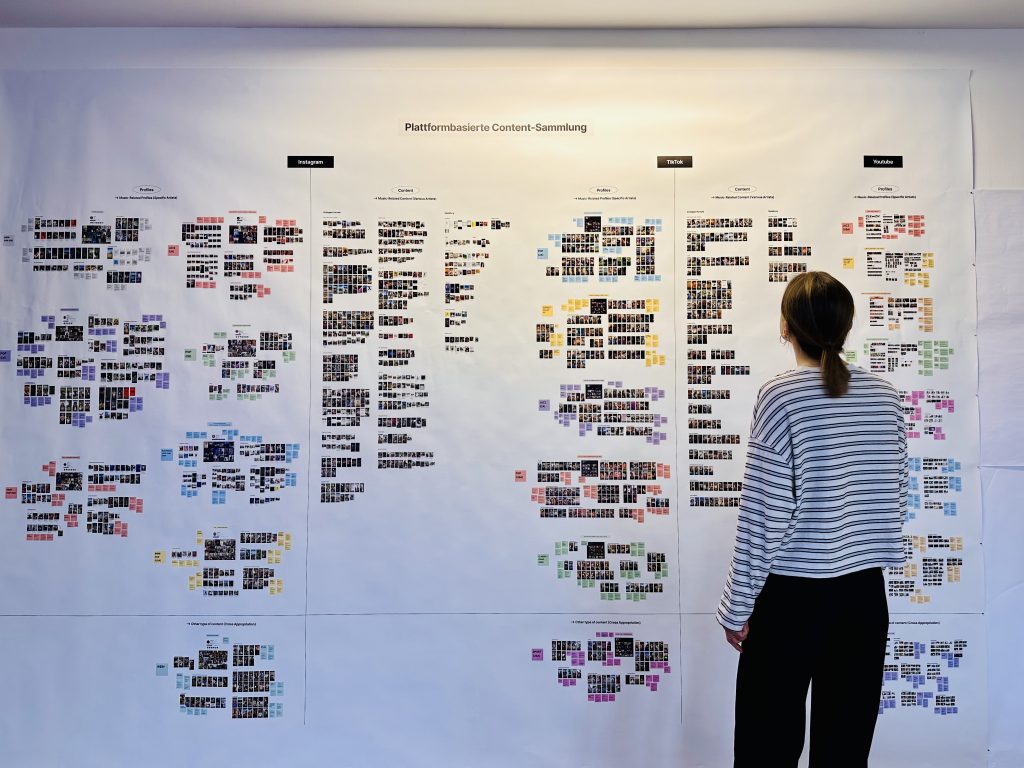
This master’s thesis investigates how content strategies on TikTok can contribute to the visibility of artistic practice in jazz. Situating TikTok within the broader digital transformation of music cultures, the study examines how platform logics, algorithmic structures, and short-form video aesthetics reshape the conditions under which jazz musicians can present their work. Rather than focusing […]
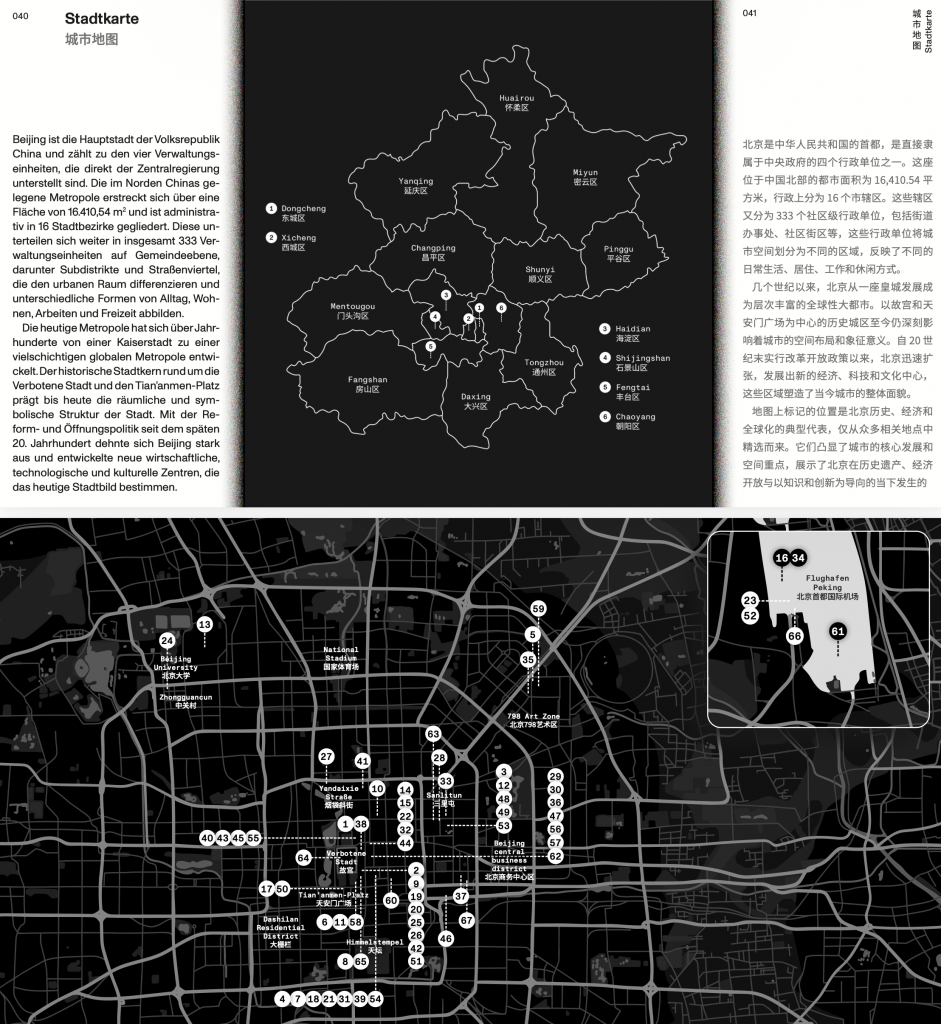
This master’s thesis investigates how design can function as a research practice that makes knowledge in intercultural contexts visible and experientially accessible. Based on the project Concepts Trouvés, which examined English-language terms found in Beijing’s urban commercial landscape, the work reflects on how design ethnography and Research through Design can explicate implicit knowledge embedded in […]
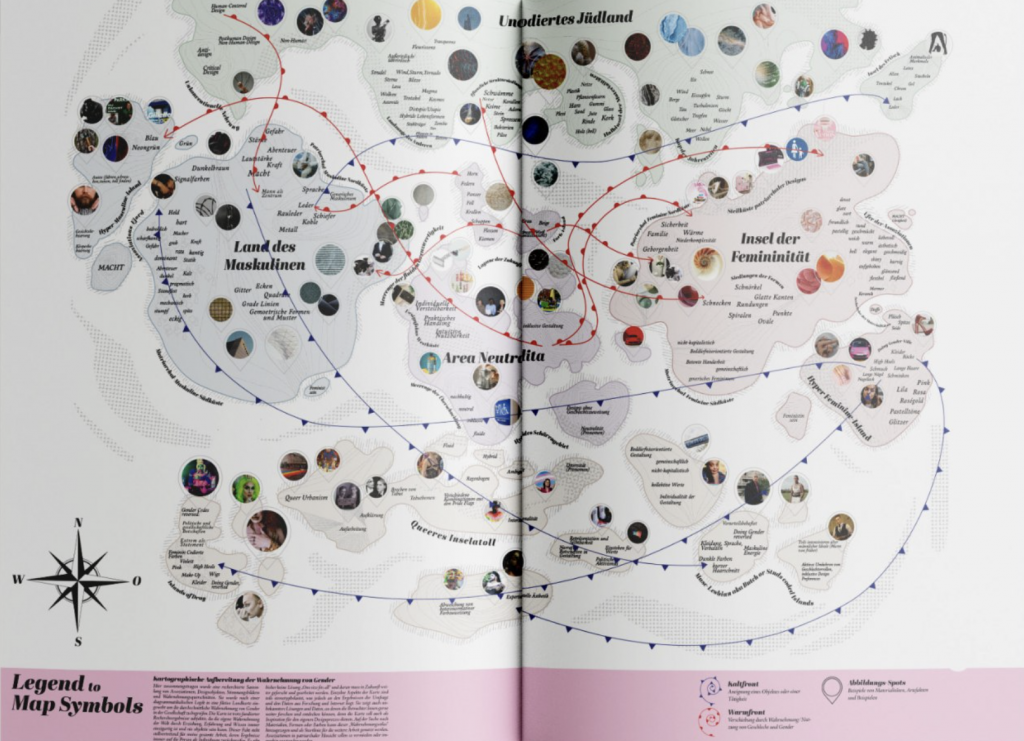
This master’s thesis investigates how patriarchal structures and gender stereotypes are embedded in everyday products, spatial environments, and professional design processes. Combining feminist theory, sociological concepts such as Doing Gender, and contemporary design research, the project analyzes historical genealogies of gendered form, materiality, and usability while grounding these perspectives in an empirical user survey. The […]