Who Designs our
(digital)(next)(uncanny)(interfacing)
Lifeworlds?
Praxis↭theory Seminars at the Hildesheim Faculty of Design Examine Current Interface Cultures and their Opaque Spheres of Production
Qualitative Design Research and Critical Design Praxistheory at the Nexus of Culture, Interfaces, and Strategy at the M.A. Gestaltung program Faculty of Design, HAWK University of Applied Sciences and Arts (Hildesheim, Germany)
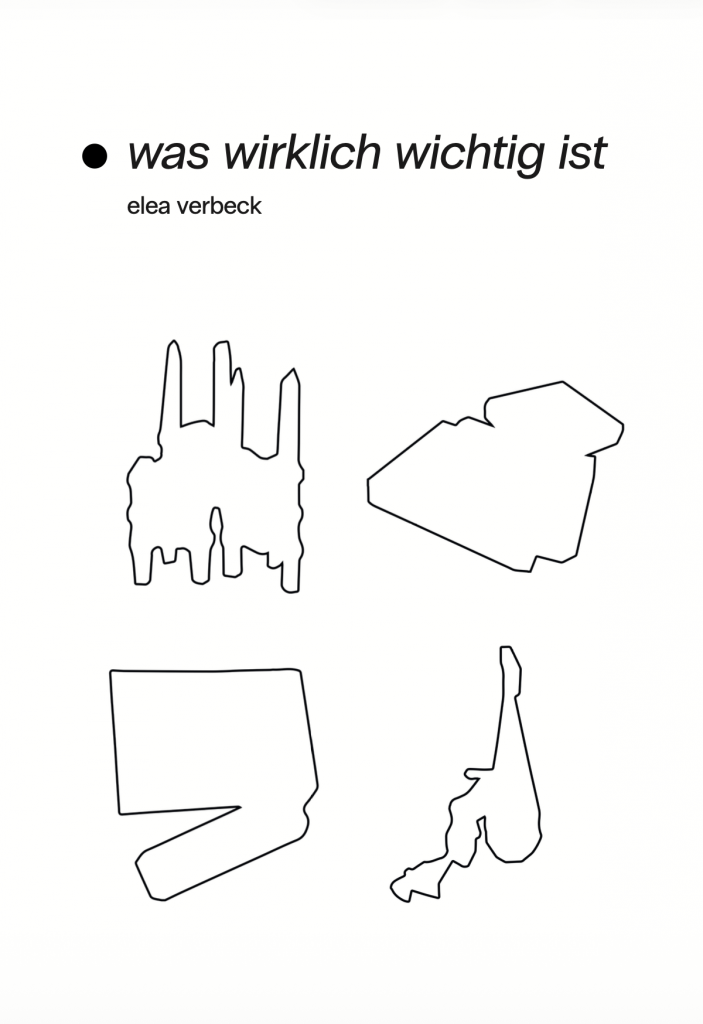
Elea Verbeck: „What Really Matters – An Investigation of Important Things with Cultural Probes.“ (2024)
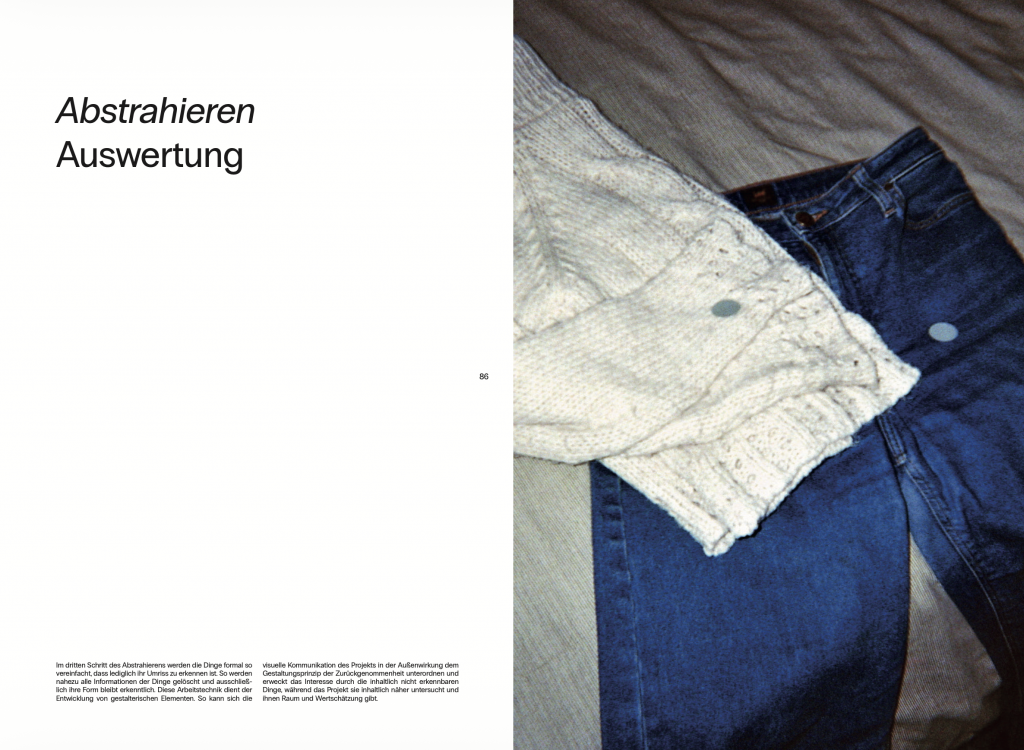
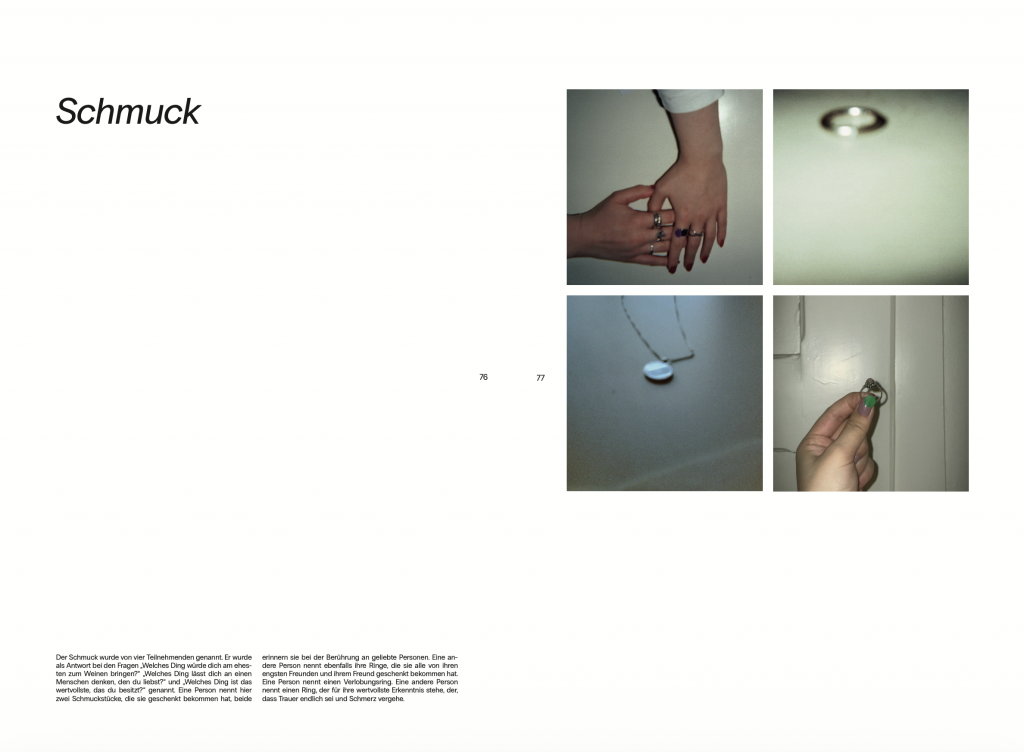
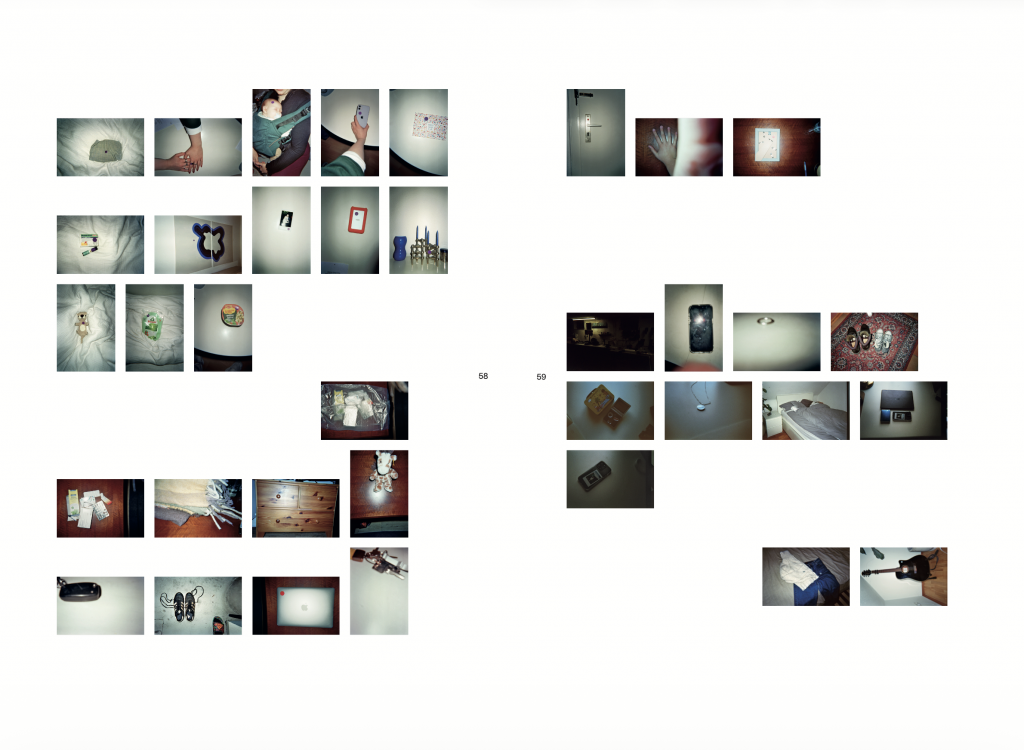
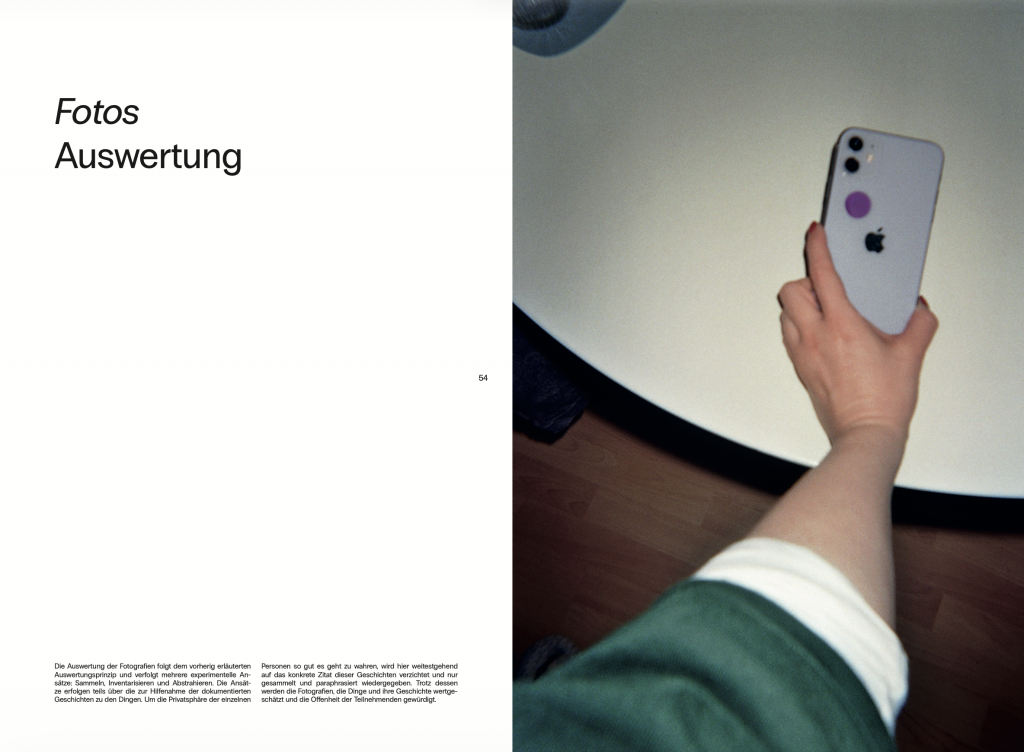
In Was wirklich wichtig ist, Elea Verbeck investigates how people define and experience “what really matters” in their everyday lives, focusing especially on the role of objects, small routines, and seemingly trivial things. Starting from the idea that importance is subjective, situational, and often only noticed when something is missing, the project rejects universal definitions and instead seeks to map diverse personal perspectives through design research.
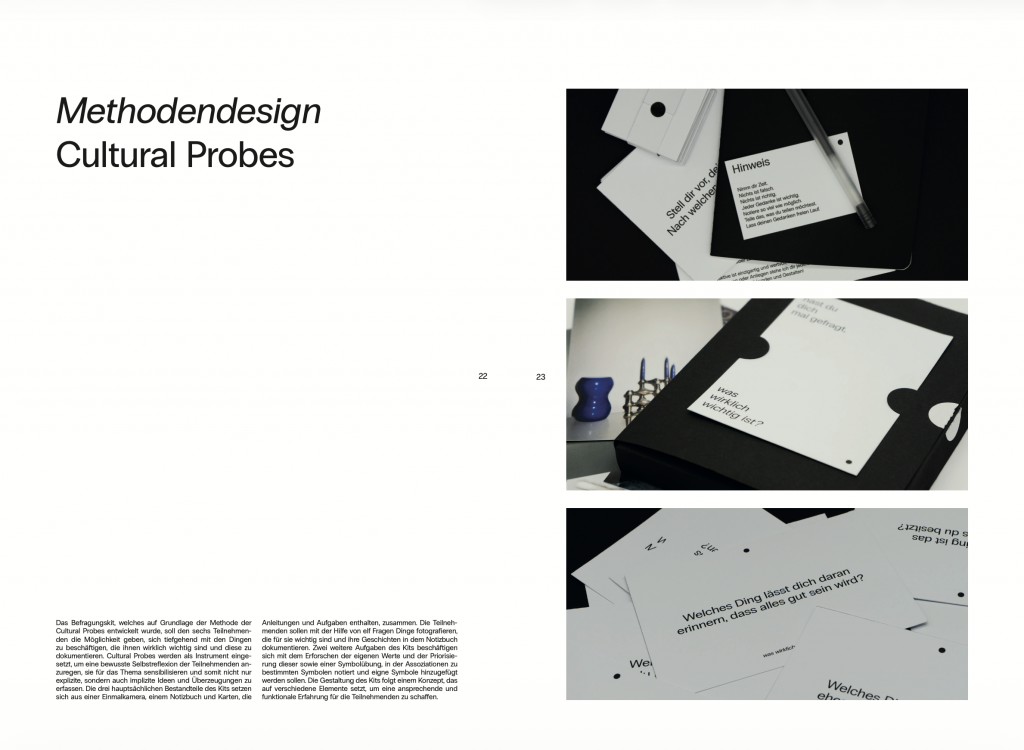
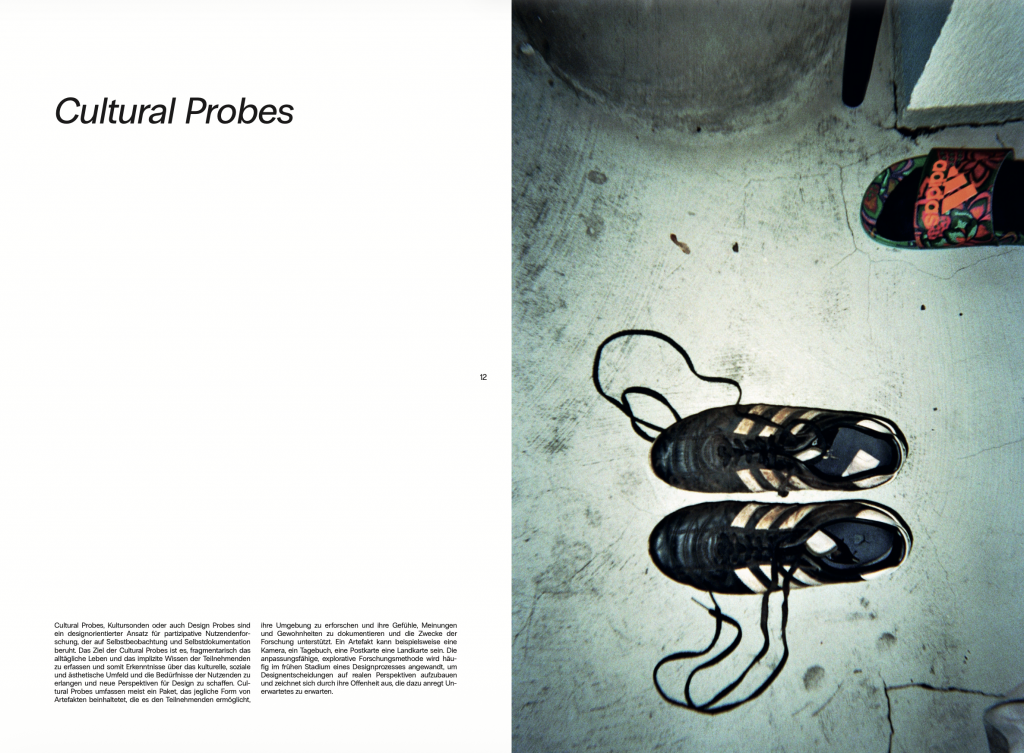
Methodologically, the project is built around Cultural Probes—open, playful, and exploratory research kits containing artefacts such as postcards, diaries, cameras, or maps. These tools invite participants to document feelings, memories, habits, and relationships to things over time. The approach values ambiguity and interpretation rather than statistical certainty, aiming to uncover hidden dimensions of everyday life while acknowledging the limits, biases, and ethical challenges of self-documentation.
The overarching goal is not to prescribe what should matter, but to translate the collected insights into a design outcome that makes different “dimensions of importance” visible and tangible. The final work is intended to inspire viewers to reflect on their own priorities and to appreciate the beauty of an open-ended, process-driven exploration rather than a definitive answer to the question of what is truly important.
Elea Verbeck: Was wirklich wichtig ist – Eine Untersuchung der wichtigen Dinge mit Cultural Probes.
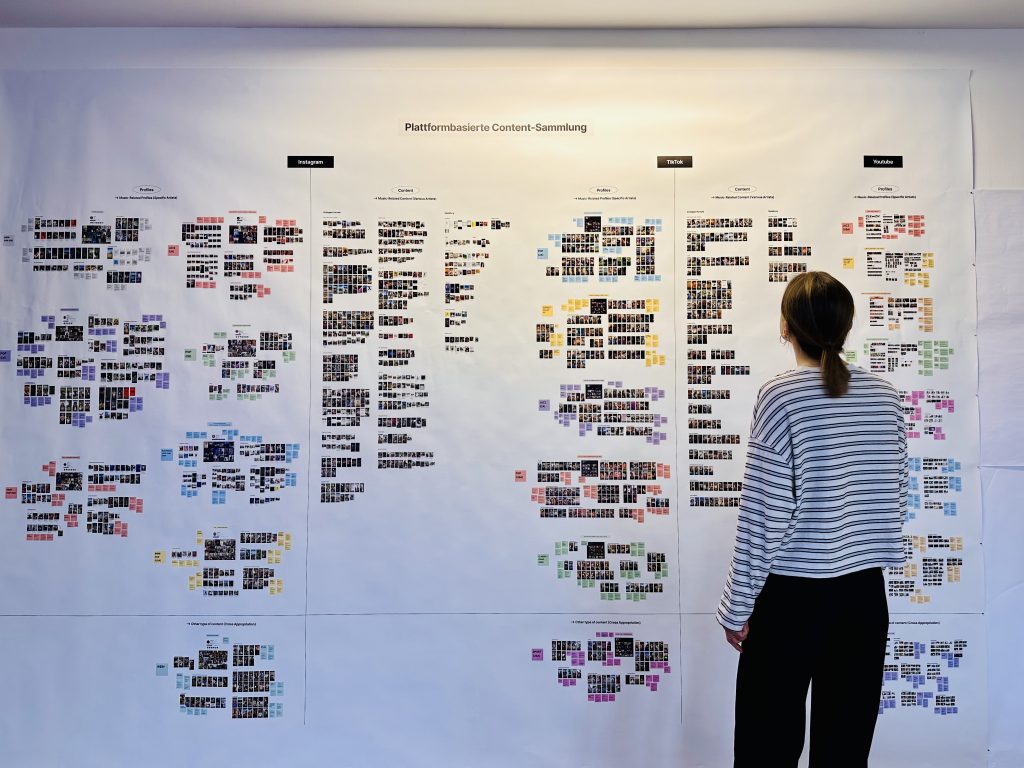
This master’s thesis investigates how content strategies on TikTok can contribute to the visibility of artistic practice in jazz. Situating TikTok within the broader digital transformation of music cultures, the study examines how platform logics, algorithmic structures, and short-form video aesthetics reshape the conditions under which jazz musicians can present their work. Rather than focusing […]
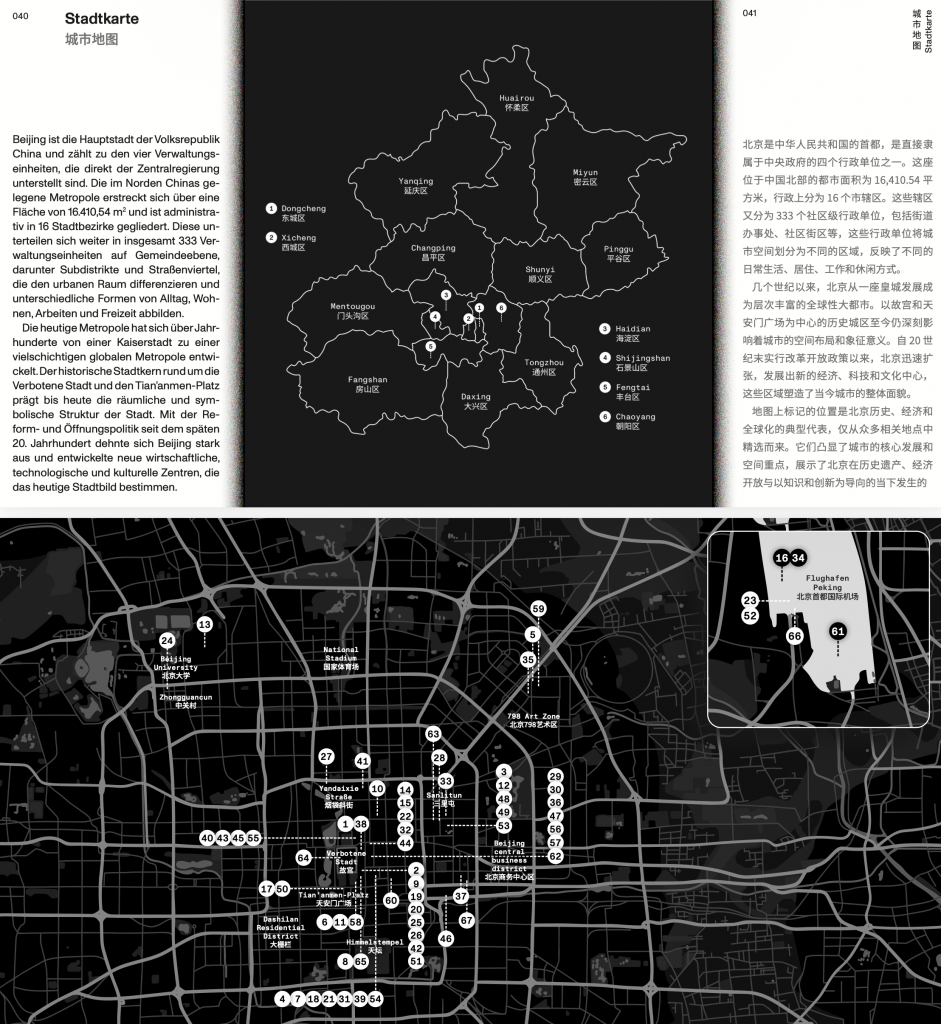
This master’s thesis investigates how design can function as a research practice that makes knowledge in intercultural contexts visible and experientially accessible. Based on the project Concepts Trouvés, which examined English-language terms found in Beijing’s urban commercial landscape, the work reflects on how design ethnography and Research through Design can explicate implicit knowledge embedded in […]
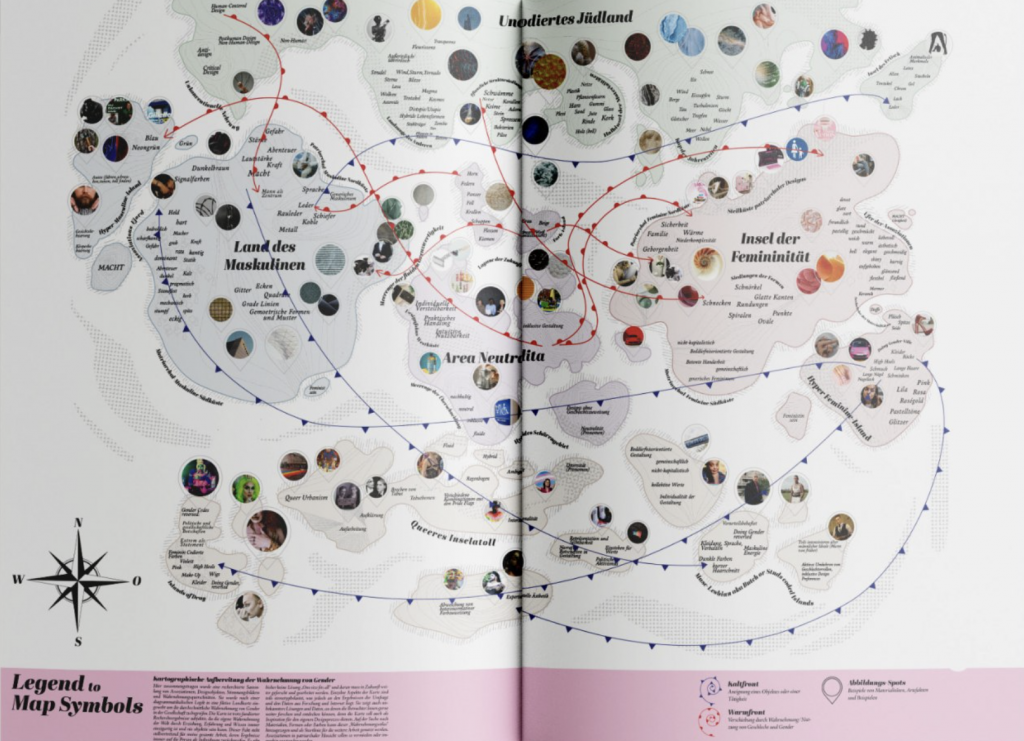
This master’s thesis investigates how patriarchal structures and gender stereotypes are embedded in everyday products, spatial environments, and professional design processes. Combining feminist theory, sociological concepts such as Doing Gender, and contemporary design research, the project analyzes historical genealogies of gendered form, materiality, and usability while grounding these perspectives in an empirical user survey. The […]