Skip to Content

Who Designs our (digital) (next) (uncanny) (interfacing) Lifeworlds?

Praxis↭theory Seminars at the Hildesheim Faculty of Design Examine Current Interface Cultures and their Opaque Spheres of Production

Qualitative Design Research and Critical Design Praxistheory at the Nexus of Culture, Interfaces, and Strategy at the M.A. Gestaltung program Faculty of Design, HAWK University of Applied Sciences and Arts (Hildesheim, Germany)

Isabelle Wydra: „The Male Gaze: Patriarchal Structures in Everyday Life and Design Processes with Reference to Product Design“ (2025)

This master’s thesis investigates how patriarchal structures and gender stereotypes are embedded in everyday products, spatial environments, and professional design processes. Combining feminist theory, sociological concepts such as Doing Gender, and contemporary design research, the project analyzes historical genealogies of gendered form, materiality, and usability while grounding these perspectives in an empirical user survey. The study positions design not as a neutral practice, but as a cultural force that reproduces—or can actively challenge—social power relations.

At the center of the research is an experimental cartographic instrument: the Wahrnehmungsatlas (Perception Atlas). Drawing on survey data, literature review, and qualitative observation, this large-scale visual map translates cultural patterns of gender attribution into a speculative geography. Territories of masculinity, femininity, neutrality, and queer expression are arranged as a fictional landscape, intersected by symbolic “weather systems” that trace shifts, appropriations, and historical reversals in gender coding. The atlas does not claim objectivity; instead, it functions as a reflexive research device that makes cultural assumptions visible and debatable.
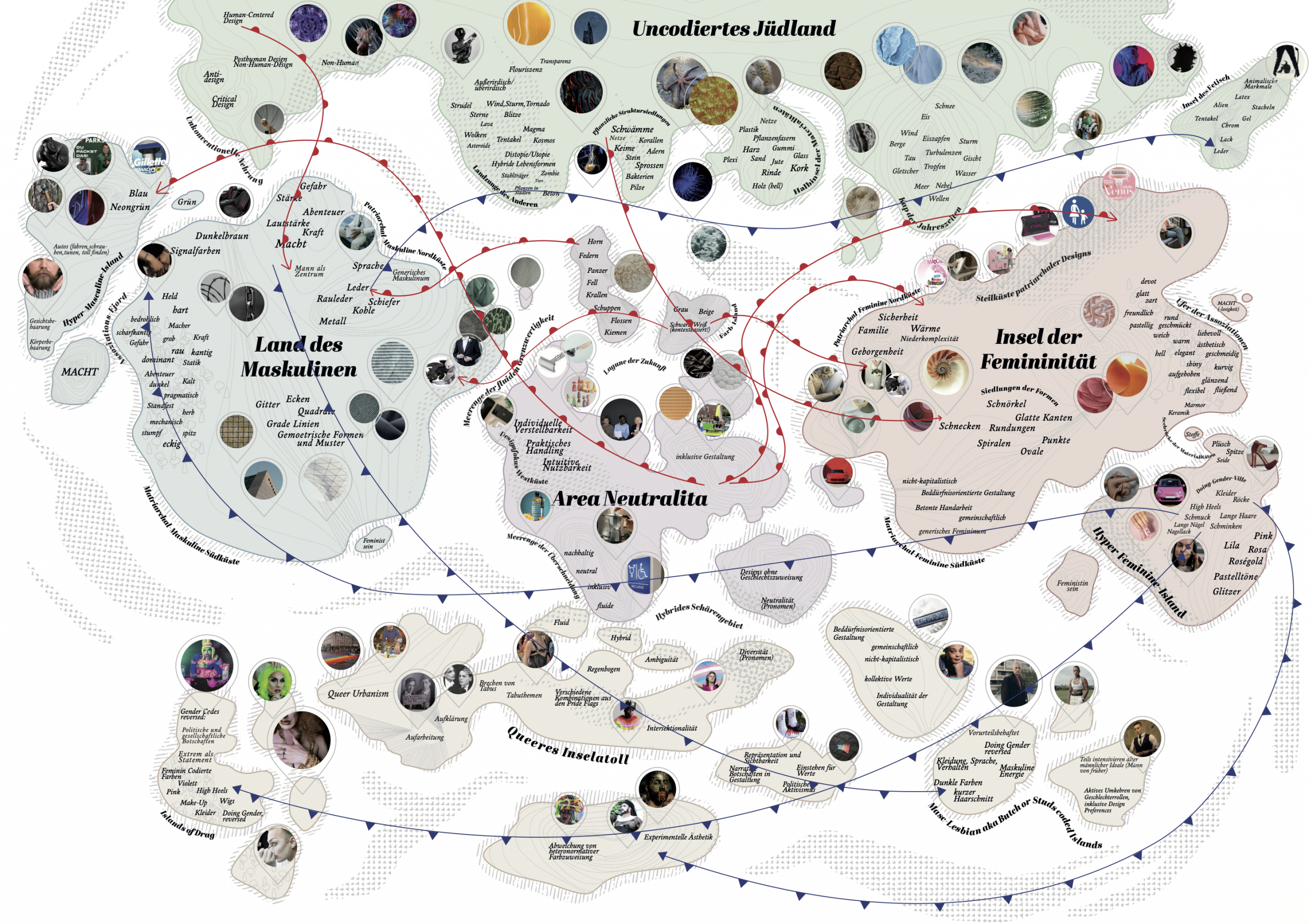
Figure: Isabelle Wydra, The Male Gaze: Patriarchale Strukturen in Lebenswelten und Gestaltungsprozessen mit Bezug auf Produktdesign (Master’s thesis, HAWK University of Applied Sciences and Arts Hildesheim, Faculty of Design, 2025), 56 f.

Conceived as both analytical model and participatory tool, the map is designed for use in workshops, studios, and educational contexts, where viewers can annotate, rearrange, and contest its elements. In this way, the project demonstrates how mapping can operate as a form of cultural cartography within design research—transforming abstract theory and empirical findings into spatial knowledge, and opening new pathways for more inclusive, critically informed design practices.
Isabelle Wydra: The Male Gaze: Patriarchale Strukturen in Lebenswelten und Gestaltungsprozessen mit Bezug auf Produktdesign

Master’s Thesis Project 2025
Supervised by: Prof. Dr. Sabine Foraita, Prof. Konstantin Haensch
Latest

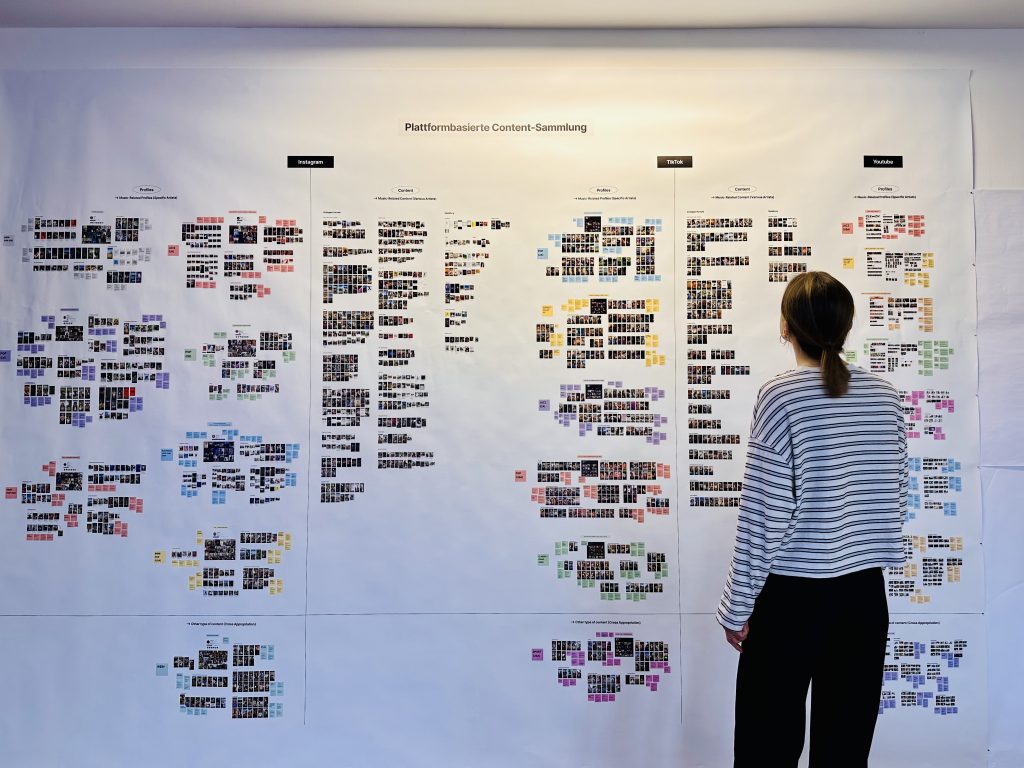
Lea Sofia Fichtner: „Content Strategies for Jazz on TikTok – Design Research on the Visibility of Artistic Practice in Jazz“ (2026)
[Research through Design], Communications, Design Strategy, Entrepreneurship, Innovation, Interface Cultures, Marketing, Music, Narration, Post-Branding
This master’s thesis investigates how content strategies on TikTok can contribute to the visibility of artistic practice in jazz. Situating TikTok within the broader digital transformation of music cultures, the study examines how platform logics, algorithmic structures, and short-form video aesthetics reshape the conditions under which jazz musicians can present their work. Rather than focusing […]
Read More
Februar 22, 2026

admin

Ina Szczepanski: „Concepts Trouvés: Design in an Intercultural Context – Making Research Through Design Tangible and Visible“ (2026)
[Cartography], [Design Critique], [Design Ethnography], [Research through Design], Consumer Culture, Interface Cultures, Marketing, Post-Branding, Urban Studies
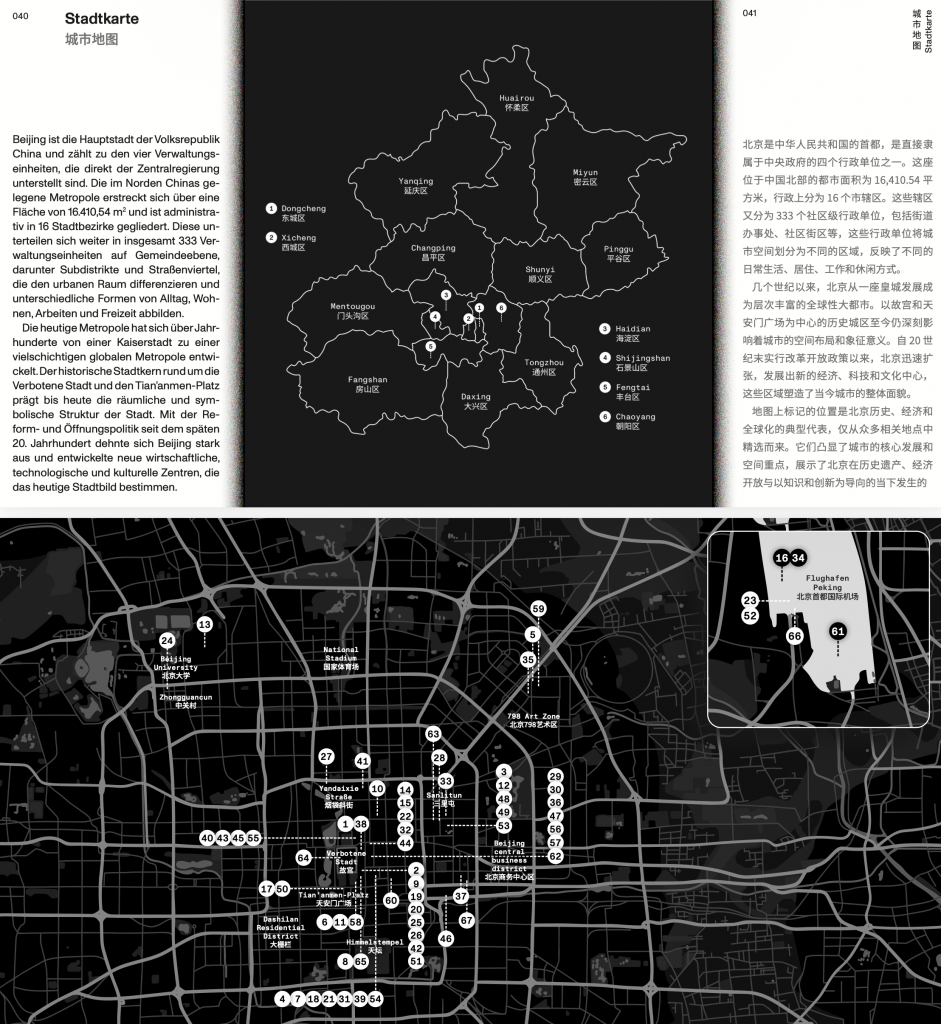
This master’s thesis investigates how design can function as a research practice that makes knowledge in intercultural contexts visible and experientially accessible. Based on the project Concepts Trouvés, which examined English-language terms found in Beijing’s urban commercial landscape, the work reflects on how design ethnography and Research through Design can explicate implicit knowledge embedded in […]
Read More
Februar 22, 2026

admin

Tina Böse: „Mood Atlas in the Tension Field of Student Living Environments“ (2025)
[Cartography], [Design Ethnography], Material Cultures
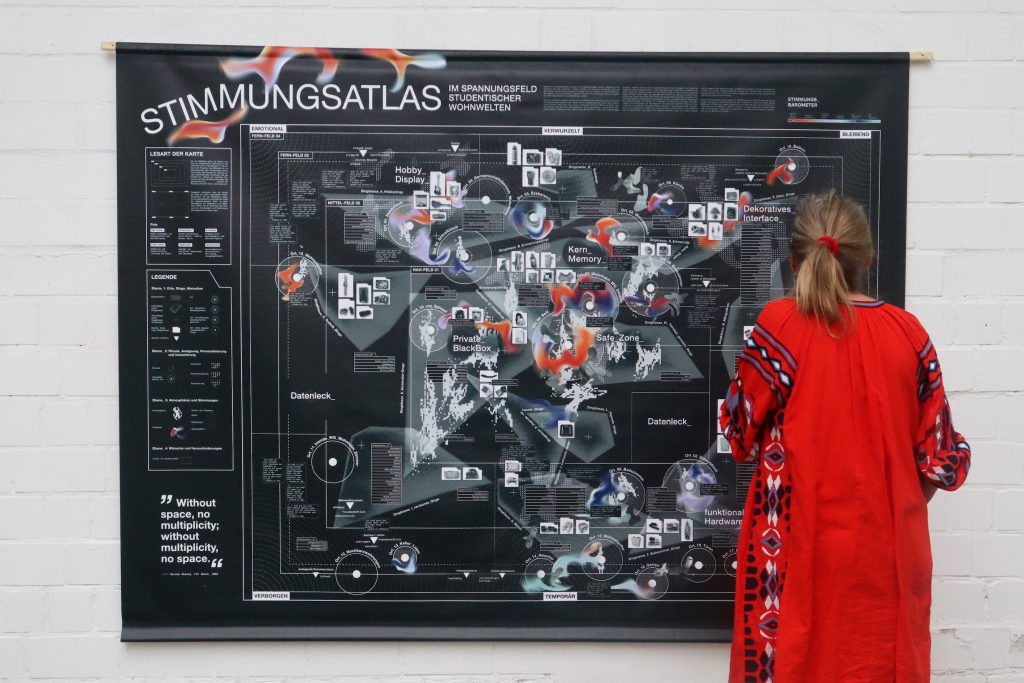
When we think of science, we often picture test tubes, formulas, diagrams, and boxes—frames that contain, categorize, and attempt to represent the world. Yet some topics are highly complex and resist being reduced to simple visualizations. They demand effort to be made legible—and remain no less compelling for it, waiting to be explored and articulated […]
Read More
Januar 24, 2026

admin