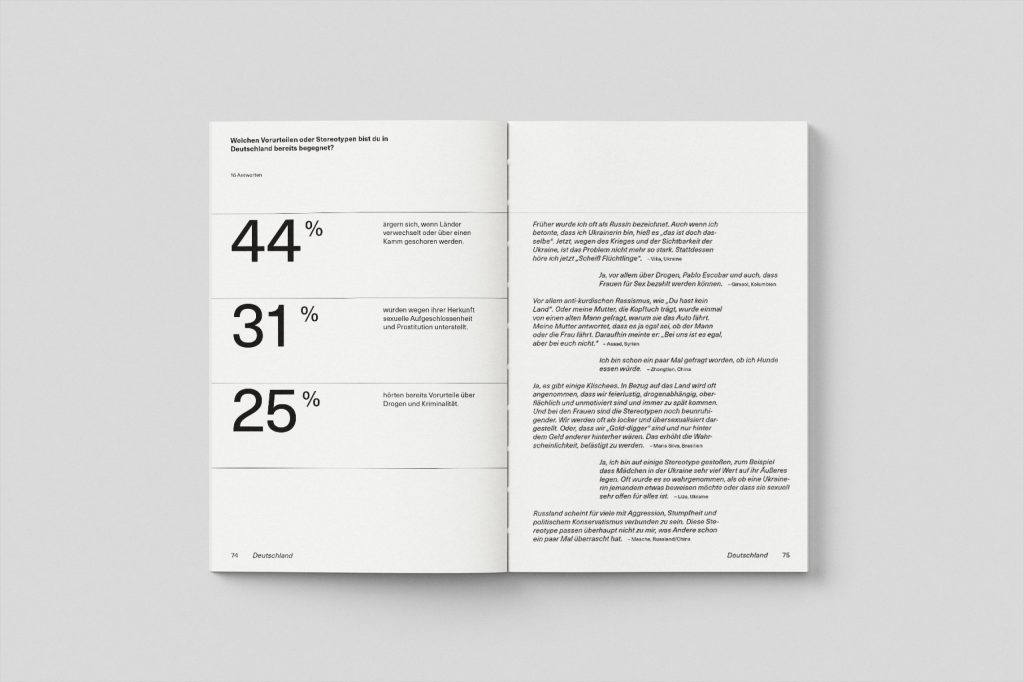
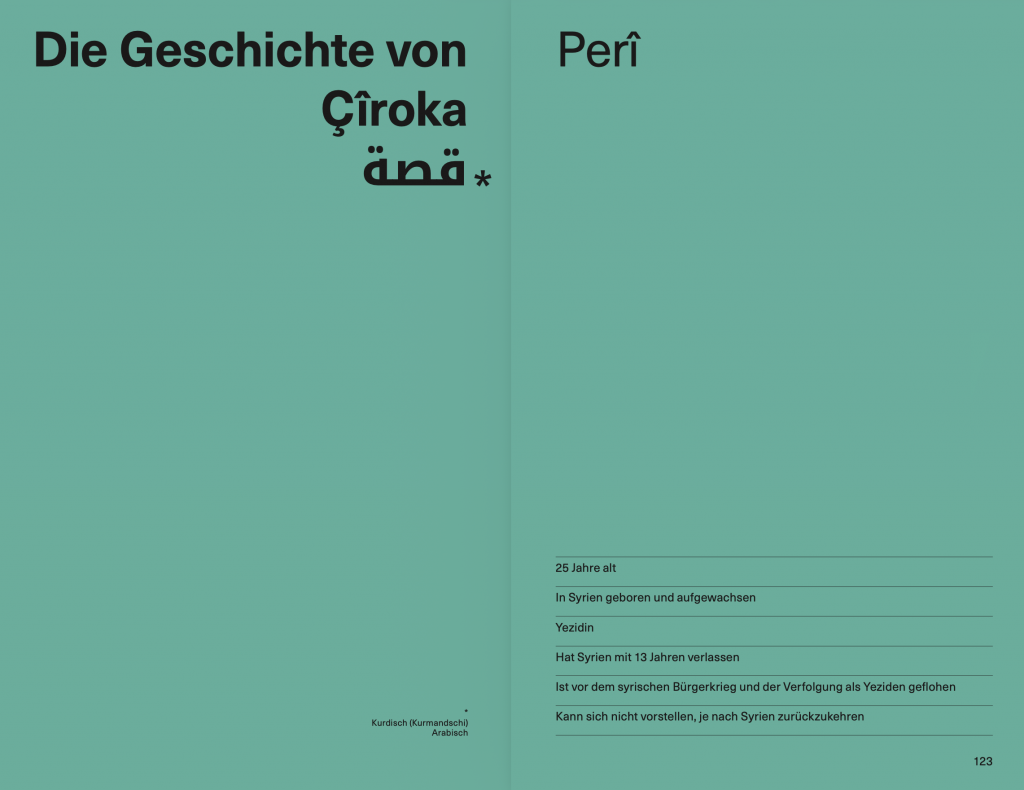
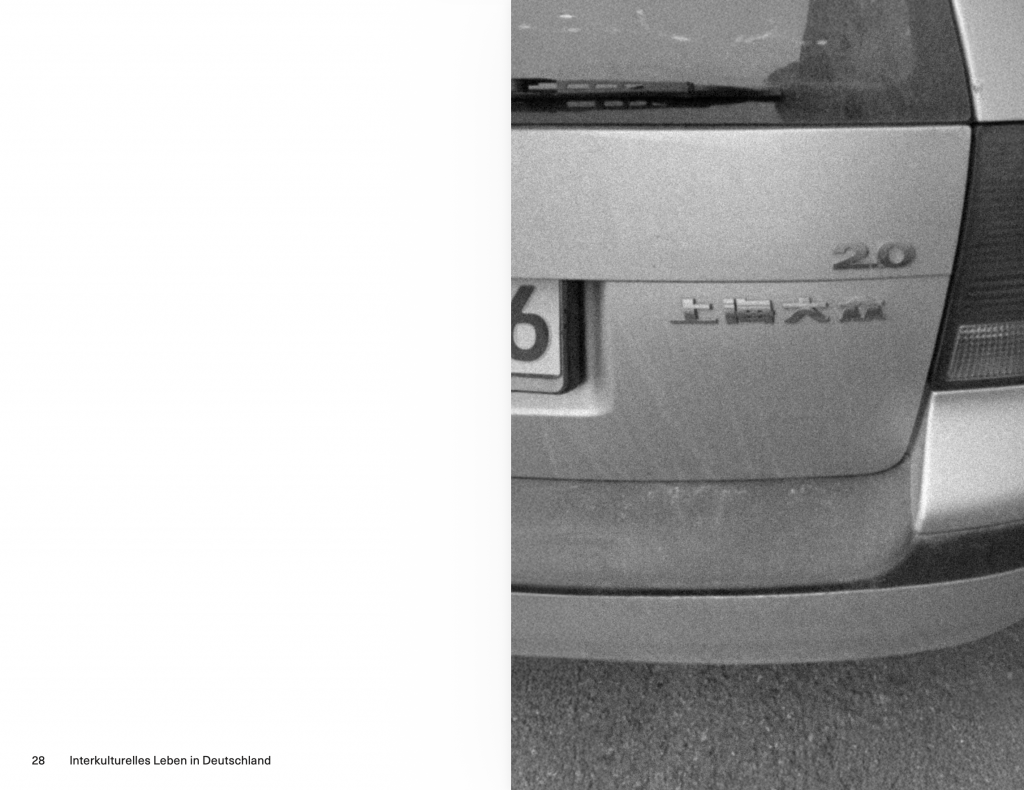
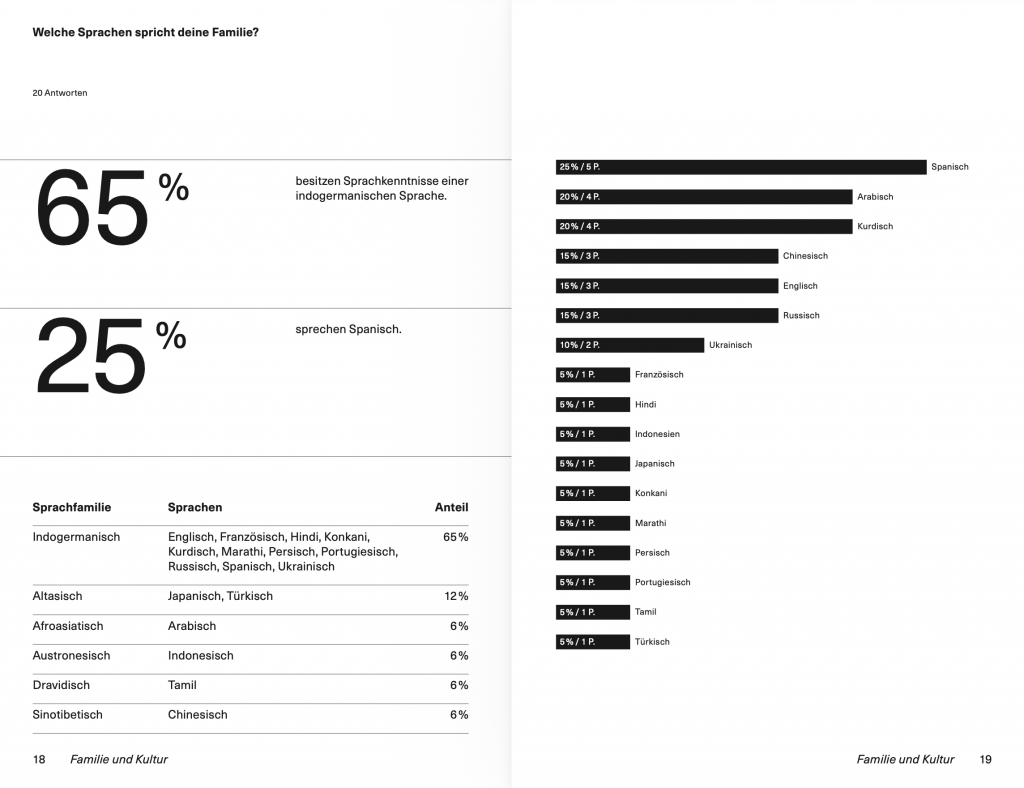
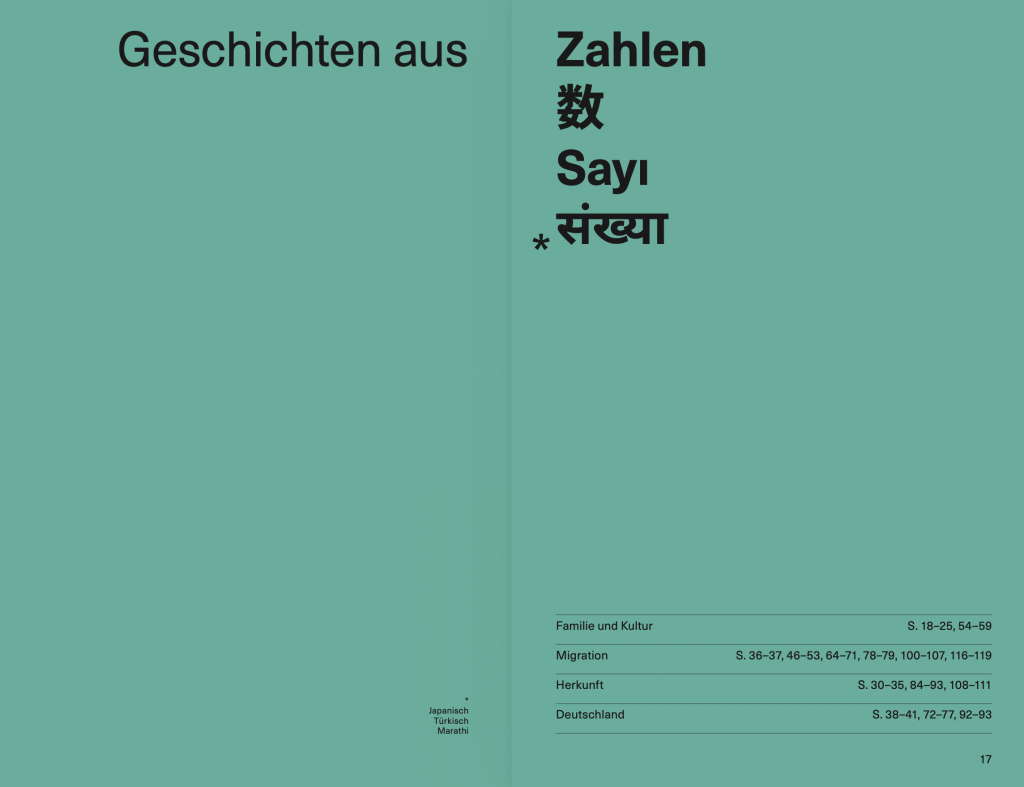
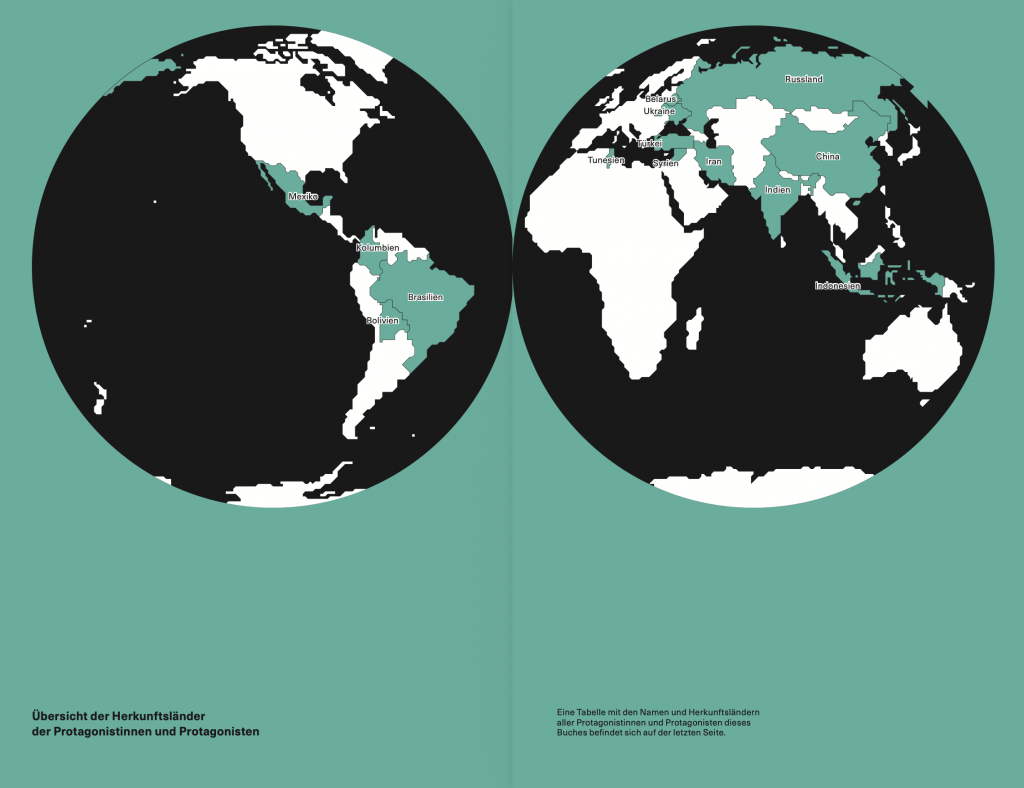
The project is built on a mixed-methods research design that combines quantitative surveys with qualitative narrative interviews and participatory visual tasks. In the first phase, four multilingual questionnaires (German/English) were distributed to twenty participants, gathering structured data on family, culture, migration experiences, ties to countries of origin, and perceptions of Germany . Responses were carefully translated to preserve nuance and then dramaturgically sequenced—from surface topics to intimate reflections—while being complemented by documentary-style black-and-white photography.
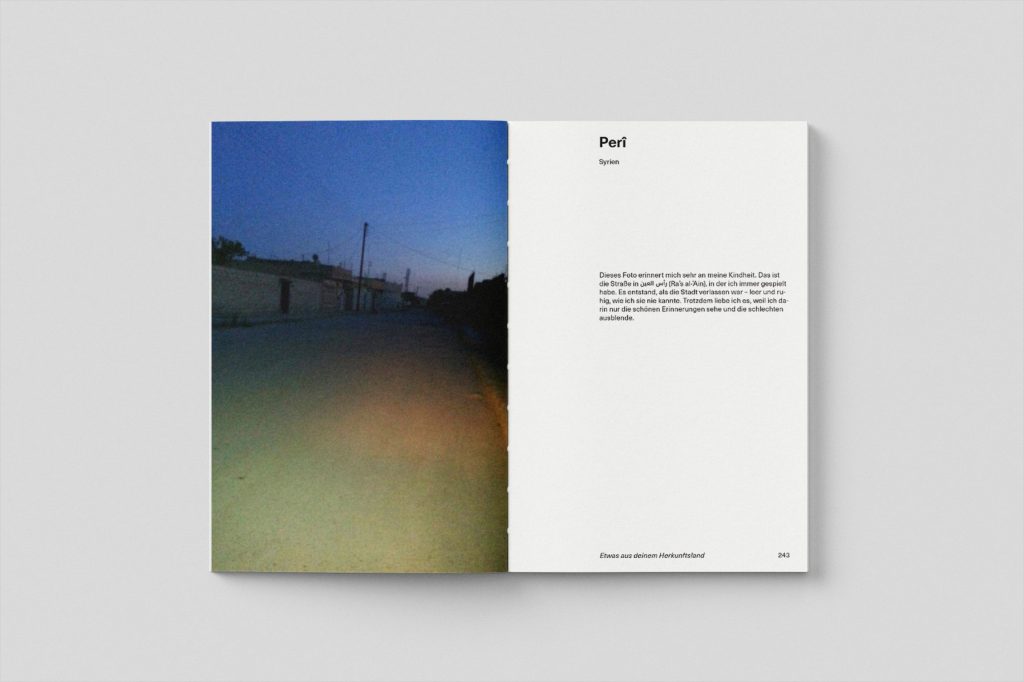
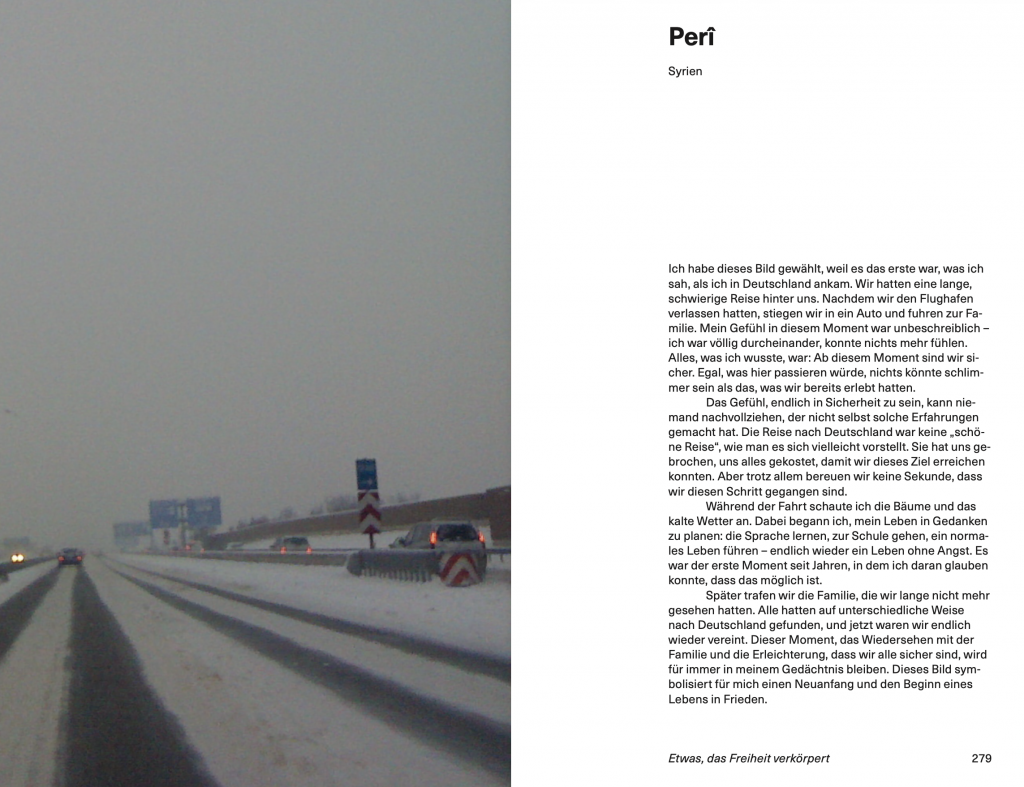
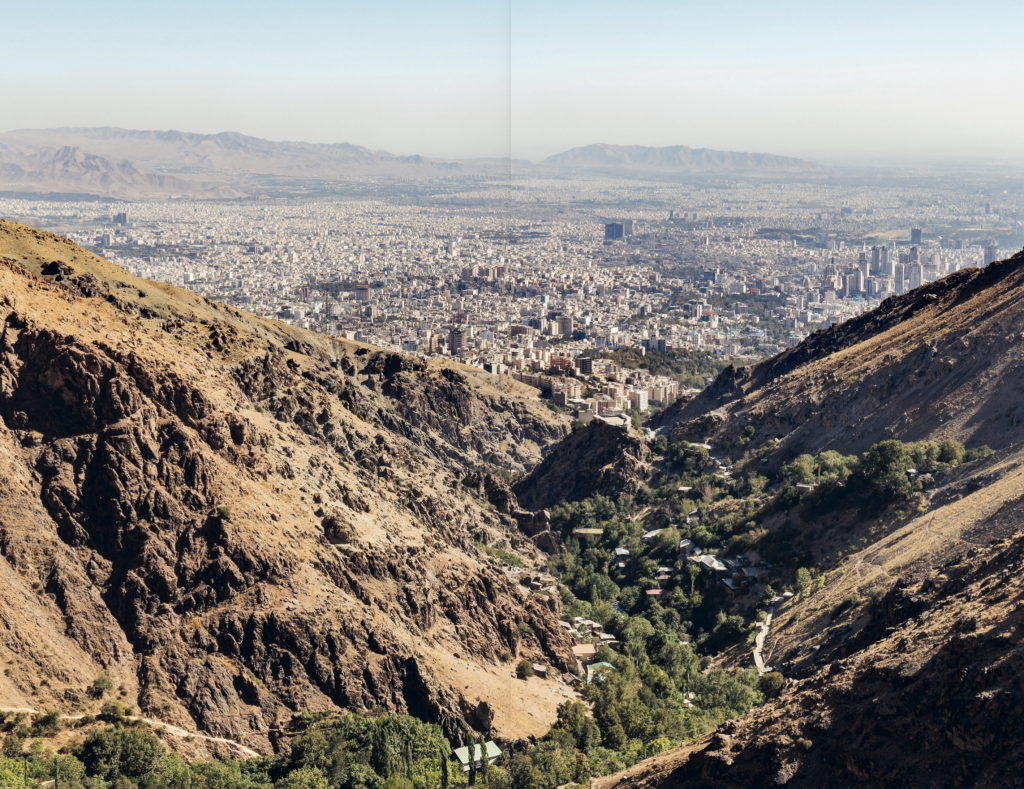
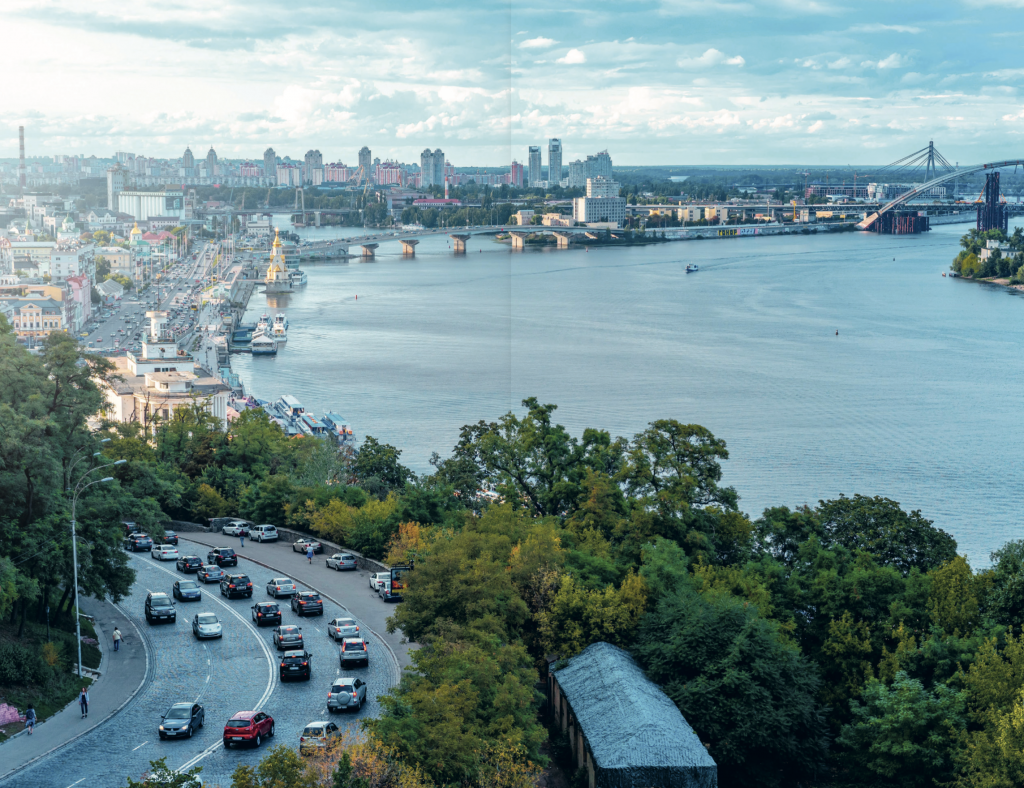
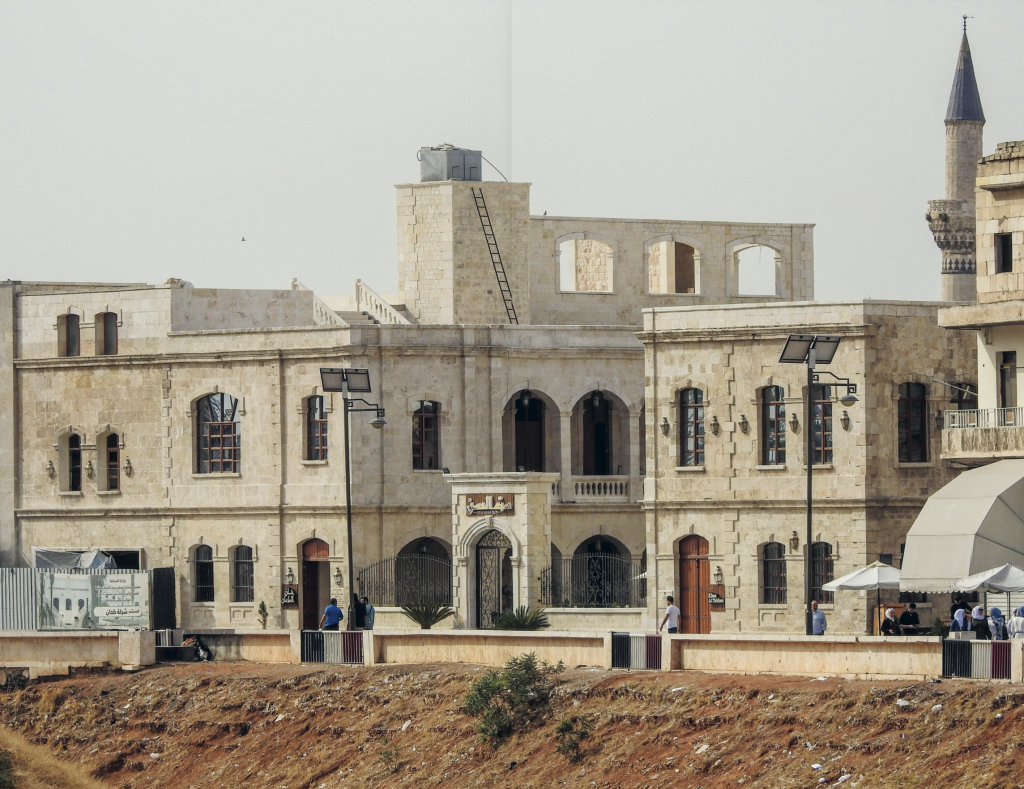
The second phase deepens this dataset through in-depth life-story interviews with three protagonists, situating their accounts within political and historical contexts and extending them through four photographic prompts (“something from your homeland,” “something culturally different,” “something that represents freedom,” “something from home”) . This triangulation of statistics, testimony, and imagery produces a layered understanding of migration as lived experience rather than abstract policy discourse.
Translated into design practice, the research operates as an evidence-driven, human-centered framework: insights from surveys inform typologies and systemic patterns, while narratives and images generate empathic personas, experiential maps, and visual languages. The careful staging of voices, multilingual access, and participatory photography exemplifies how design can function as a mediator of social knowledge—transforming sociological data into communicative artifacts, exhibitions, publications, and interaction concepts that foster dialogue, reduce stereotypes, and make complex cultural realities perceptible to wider publics.
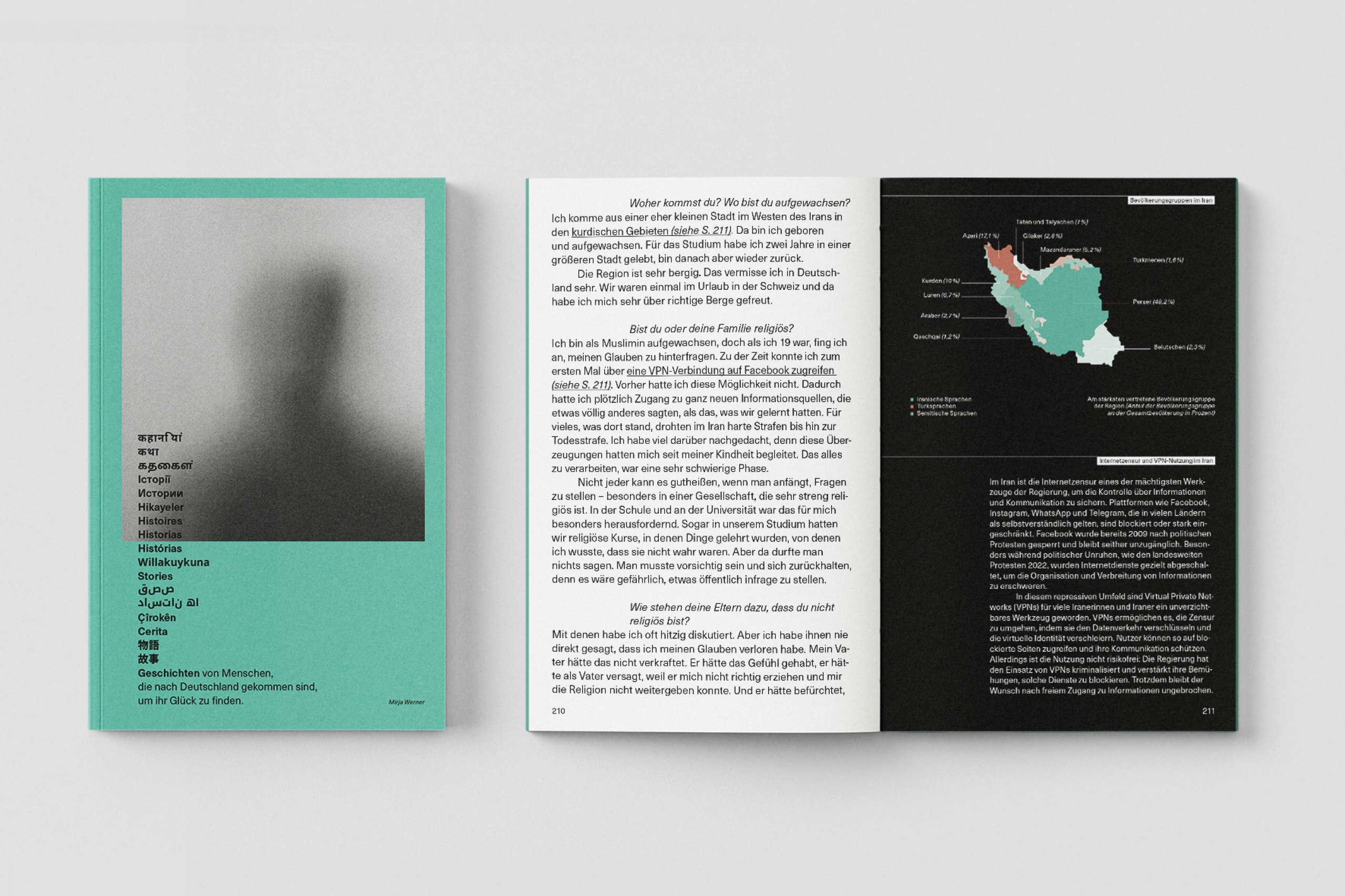
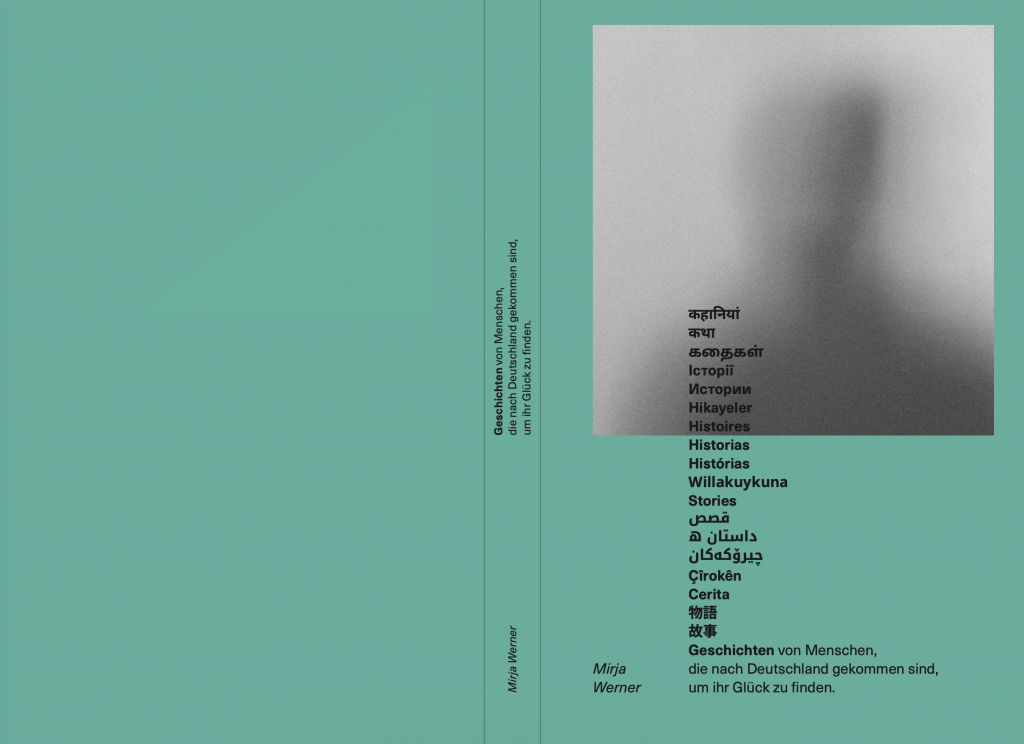
Mirja Werner: Auf der Suche nach Glück Geschichten und Erfahrungen
von Menschen mit Migrationshintergrund in Deutschland
Master’s Thesis Project 2025
Supervised by: Prof. Dominika Hasse, Prof. Konstantin Haensch