Who Designs our
(digital)(next)(uncanny)(interfacing)
Lifeworlds?
Praxis↭theory Seminars at the Hildesheim Faculty of Design Examine Current Interface Cultures and their Opaque Spheres of Production
Qualitative Design Research and Critical Design Praxistheory at the Nexus of Culture, Interfaces, and Strategy at the M.A. Gestaltung program Faculty of Design, HAWK University of Applied Sciences and Arts (Hildesheim, Germany)
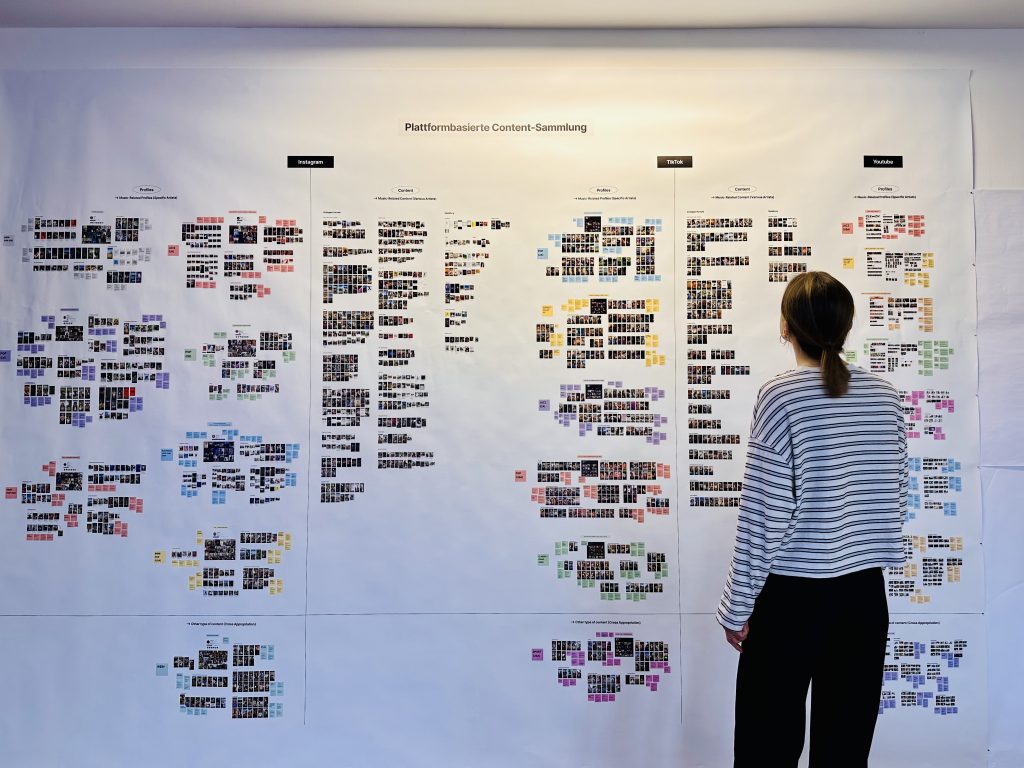
This master’s thesis investigates how content strategies on TikTok can contribute to the visibility of artistic practice in jazz. Situating TikTok within the broader digital transformation of music cultures, the study examines how platform logics, algorithmic structures, and short-form video aesthetics reshape the conditions under which jazz musicians can present their work. Rather than focusing […]
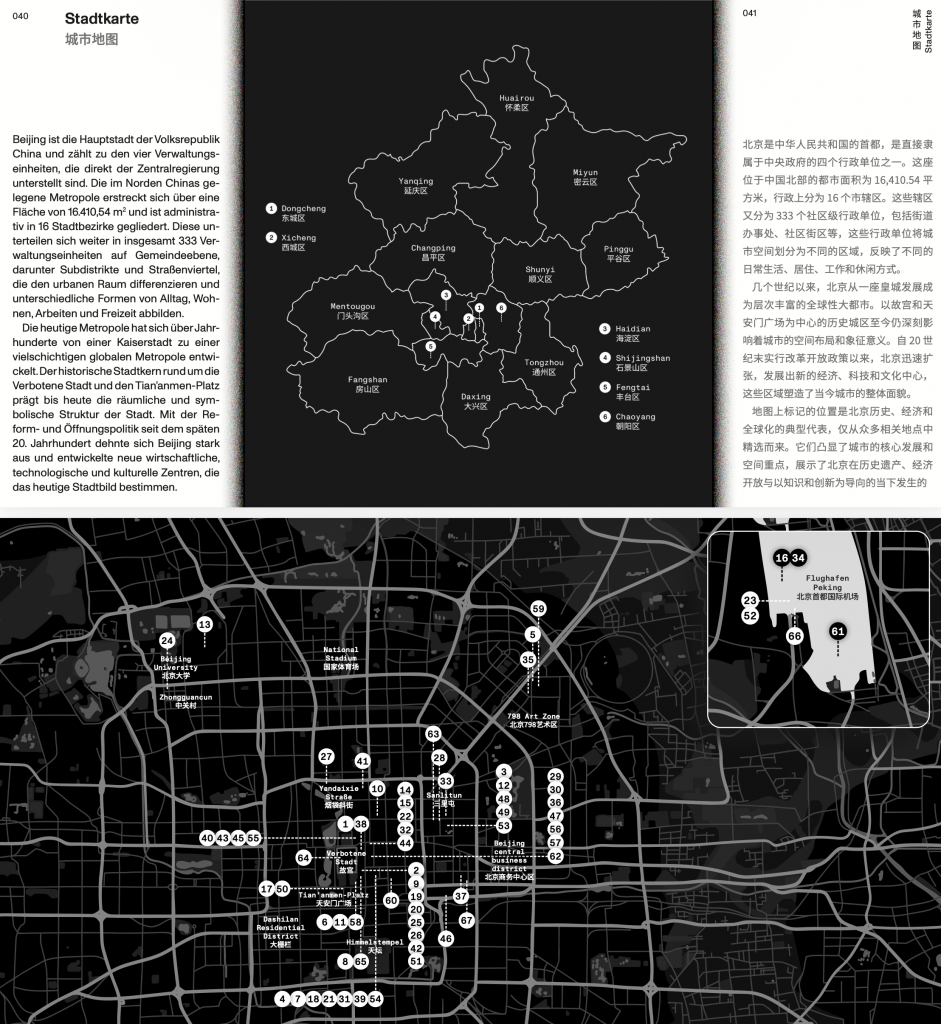
This master’s thesis investigates how design can function as a research practice that makes knowledge in intercultural contexts visible and experientially accessible. Based on the project Concepts Trouvés, which examined English-language terms found in Beijing’s urban commercial landscape, the work reflects on how design ethnography and Research through Design can explicate implicit knowledge embedded in […]
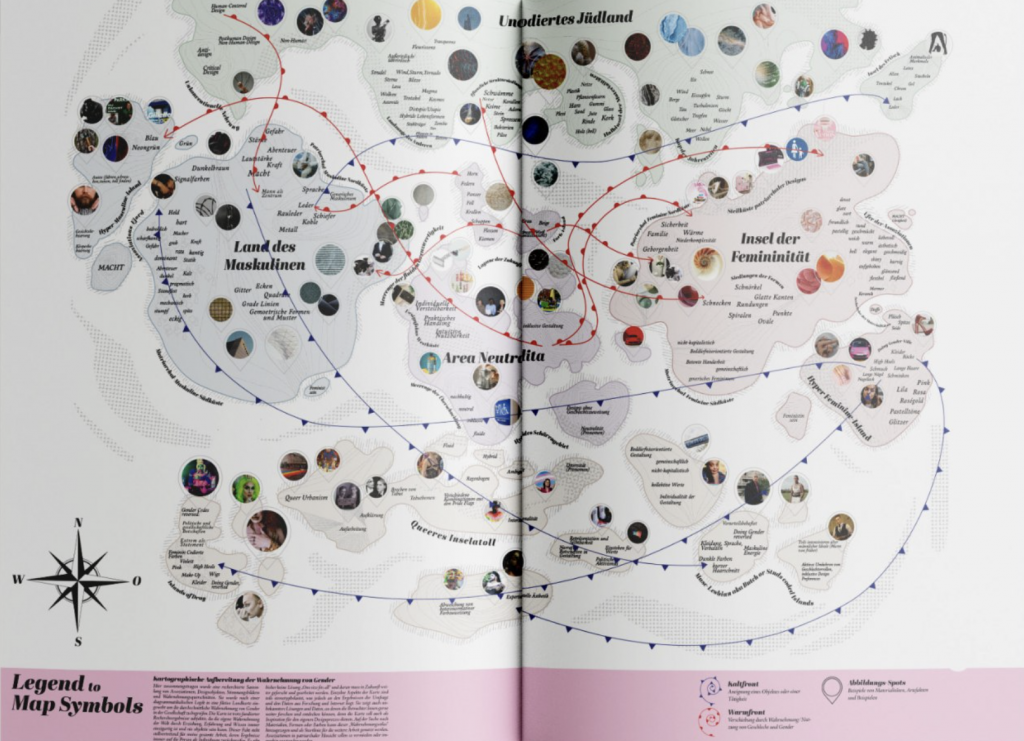
This master’s thesis investigates how patriarchal structures and gender stereotypes are embedded in everyday products, spatial environments, and professional design processes. Combining feminist theory, sociological concepts such as Doing Gender, and contemporary design research, the project analyzes historical genealogies of gendered form, materiality, and usability while grounding these perspectives in an empirical user survey. The […]
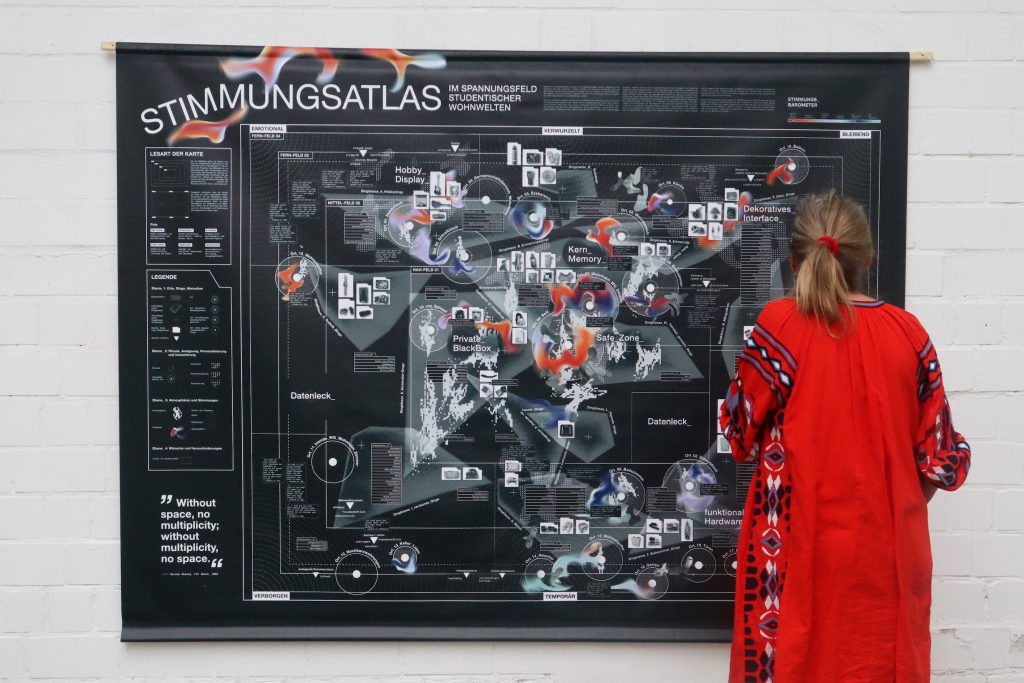
Tina Böse: „Mood Atlas in the Tension Field of Student Living Environments“ (2025)
[Cartography], [Design Ethnography], Material Cultures
When we think of science, we often picture test tubes, formulas, diagrams, and boxes—frames that contain, categorize, and attempt to represent the world. Yet some topics are highly complex and resist being reduced to simple visualizations. They demand effort to be made legible—and remain no less compelling for it, waiting to be explored and articulated […]
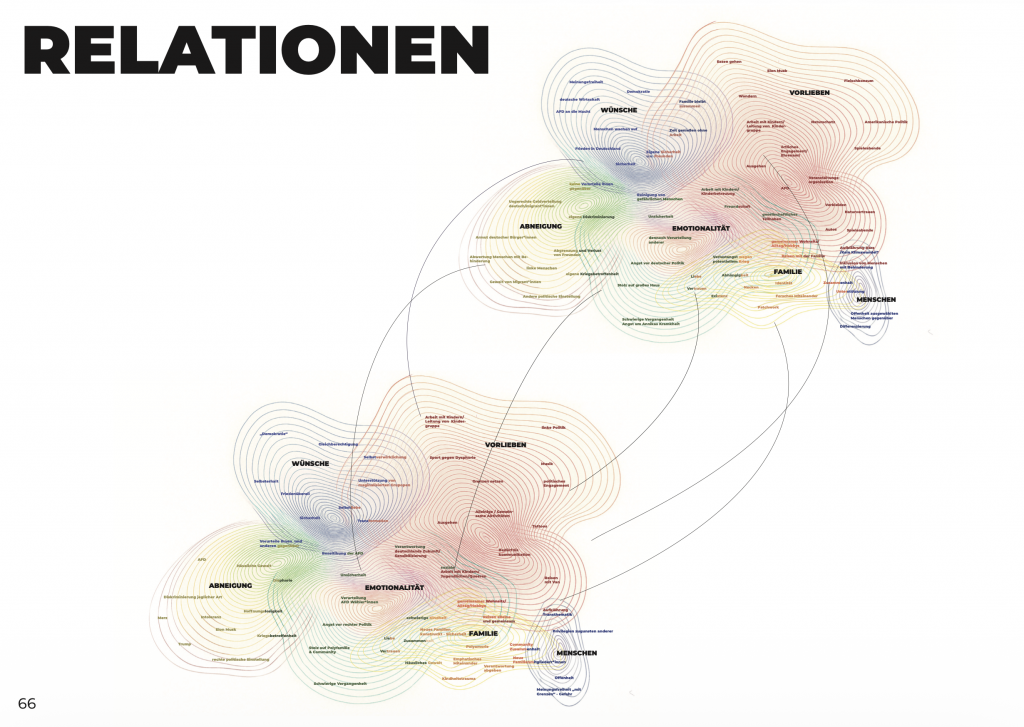
Miriam Hesse-Eppendorf: „Queered – Relations within Left- and Right-Wing Political Lifeworlds“ (2025)
[Design Ethnography], Gender/Queer
This master’s thesis investigates contemporary political polarization in Germany through the lens of queer life worlds and their encounter with conservative–right milieus. At its center stands Mo, a queer, binary trans social worker living in a polycule, whose everyday experiences, activism, and fears of political backlash are documented in detail, alongside a traditionally structured, AfD-oriented […]
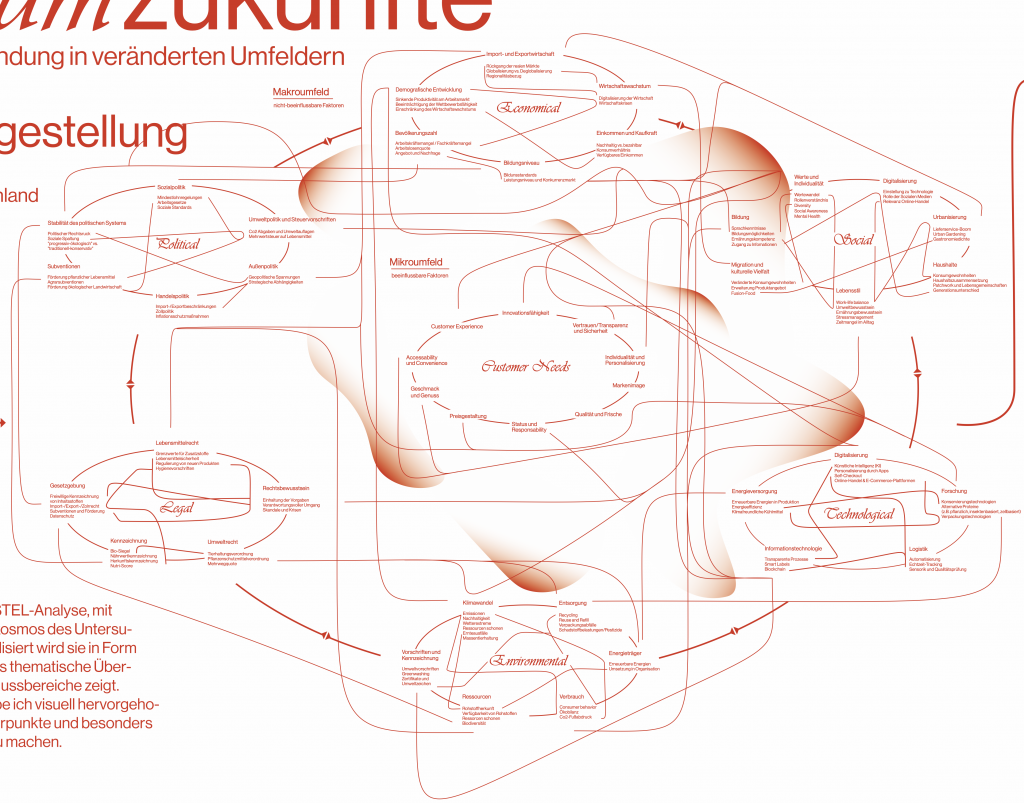
Lisa Theil: “Consumer Brands – Emotional Brand Attachment Across Generations and Strategic Future Perspectives for the Food Industry” (2025)
[Cartography], Consumer Culture
The master’s thesis “Consumer Brands – Emotional Brand Attachment Across Generations and Strategic Future Perspectives for the Food Industry” by Lisa Theil examines how brands in saturated markets build emotional relationships with consumers and why these remain powerful beyond functional product attributes. Starting from a personal consumption experience, the study develops a systematic analysis of […]
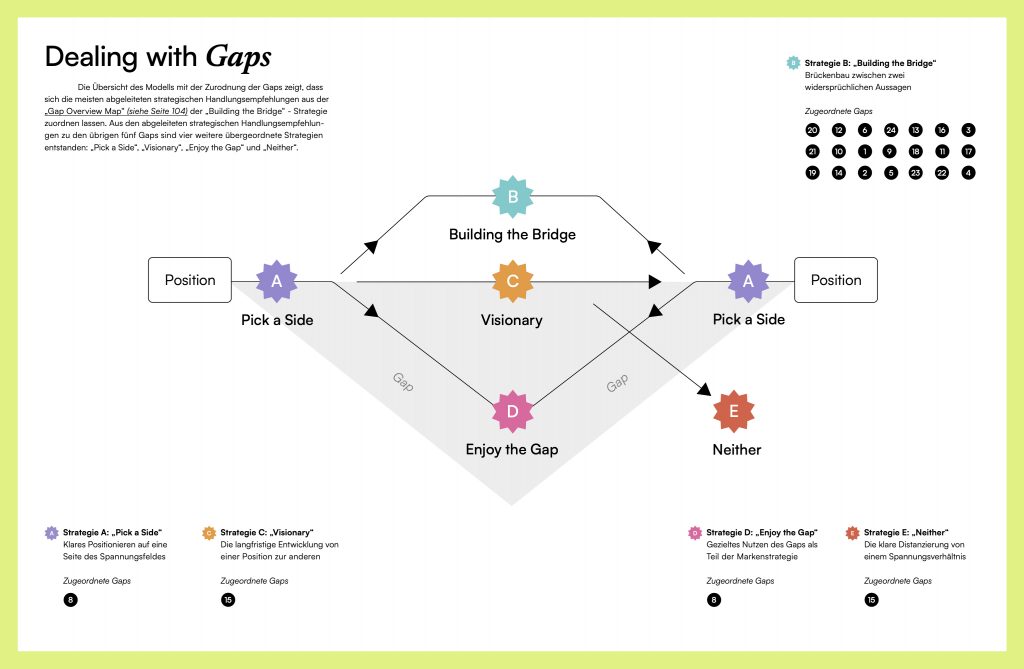
Melina da Silva Hentis: „Paradox – Brand Strategies in the Tension of Contradictions: The Case of Vegan Substitute Products“ (2025)
Consumer Culture, Post-Branding
Loving Animals Yet Still Eating Them? Paradoxes shape consumer behavior around plant-based diets and open a window onto the conflicting desires and values that guide purchasing decisions. Paradox examines these tensions through interviews and brand analyses. From this research emerged a model outlining five pathways through which vegan substitute brands can engage consumers within this […]
Sandra Holzinger: „VESTIGO – Experimental Keyboard Instrument and Performative Research Platform for the Intuitive Exploration of Spatial Needs“ (2025) [German Design Graduate Award]
The master’s project VESTIGO develops an experimental research apparatus that positions design itself as the primary epistemic method, combining participatory inquiry, generative tools, and performative exploration. The work explicitly frames its approach as research through design, emphasizing open-ended experimentation, iterative prototyping, and co-creation with participants rather than hypothesis-testing in a conventional scientific sense . Within […]
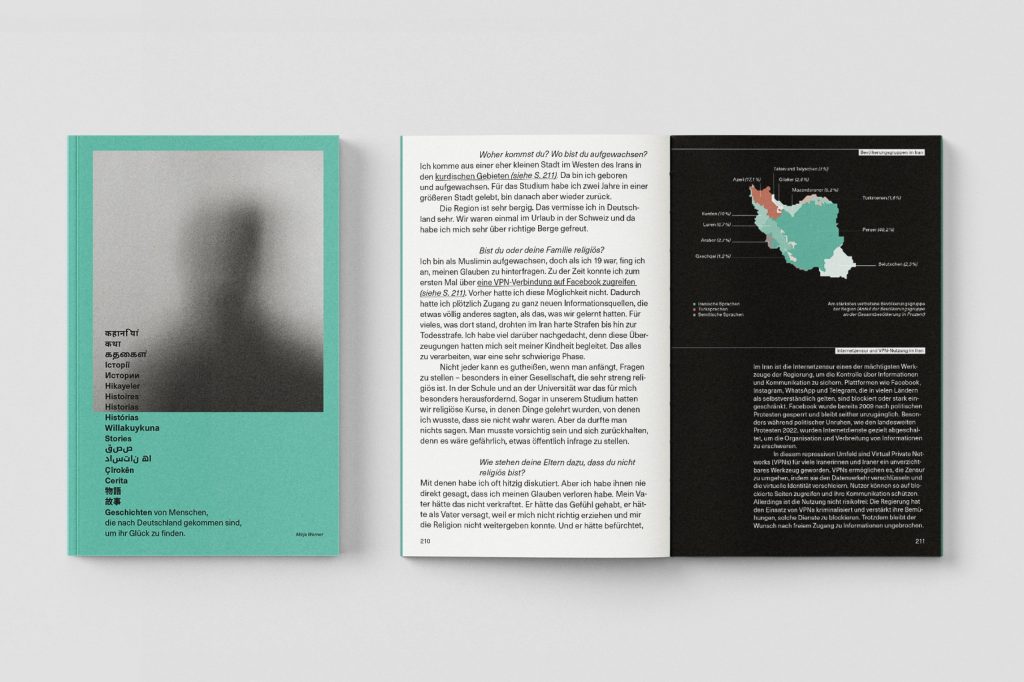
Mirja Werner: „In Search of Happiness – Stories and Experiences of People with a Migration Background in Germany“ — [German Design Graduate Award]
[Awarded], [Design Ethnography], Communications, Material Cultures
The project is built on a mixed-methods research design that combines quantitative surveys with qualitative narrative interviews and participatory visual tasks. In the first phase, four multilingual questionnaires (German/English) were distributed to twenty participants, gathering structured data on family, culture, migration experiences, ties to countries of origin, and perceptions of Germany . Responses were carefully […]
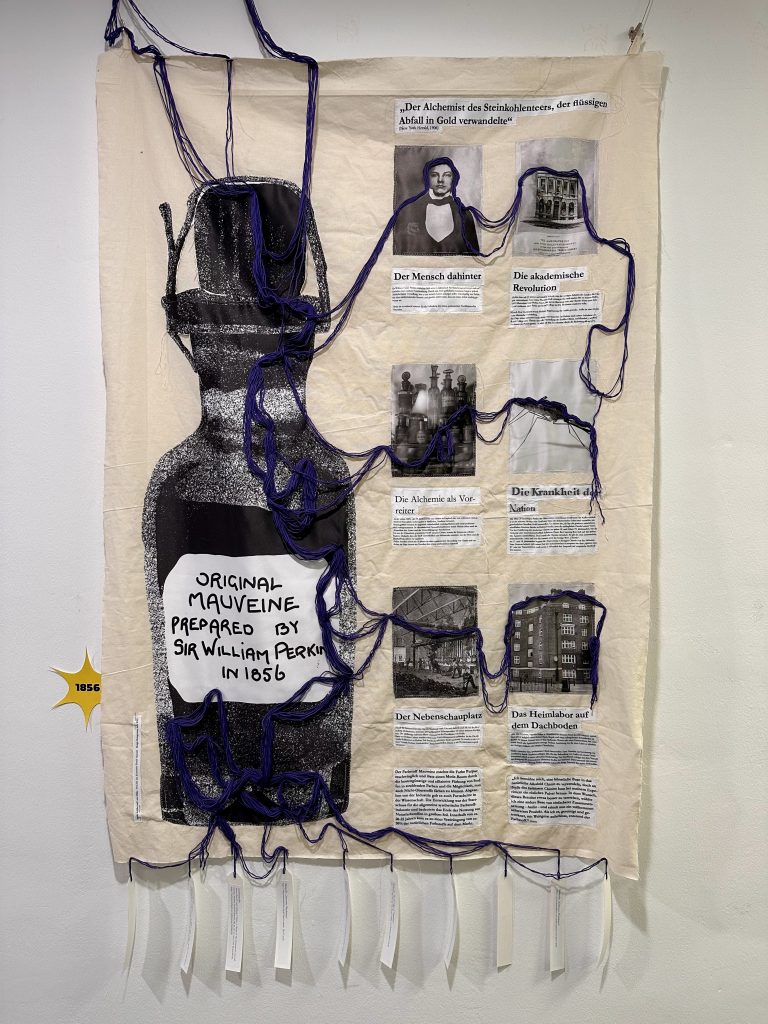
Amelie Schüler: „Synthetic Dyes – Original Mauveine prepared by Sir William Perkin in 1856“ (2025)
Innovation, Material Cultures, Product Design
Amelie Schüler: Synthetische Farbstoffe – Original Mauveine prepared by Sir William Perkin in 1856 Seminar work 2025supervised by: Prof. Konstantin Haensch
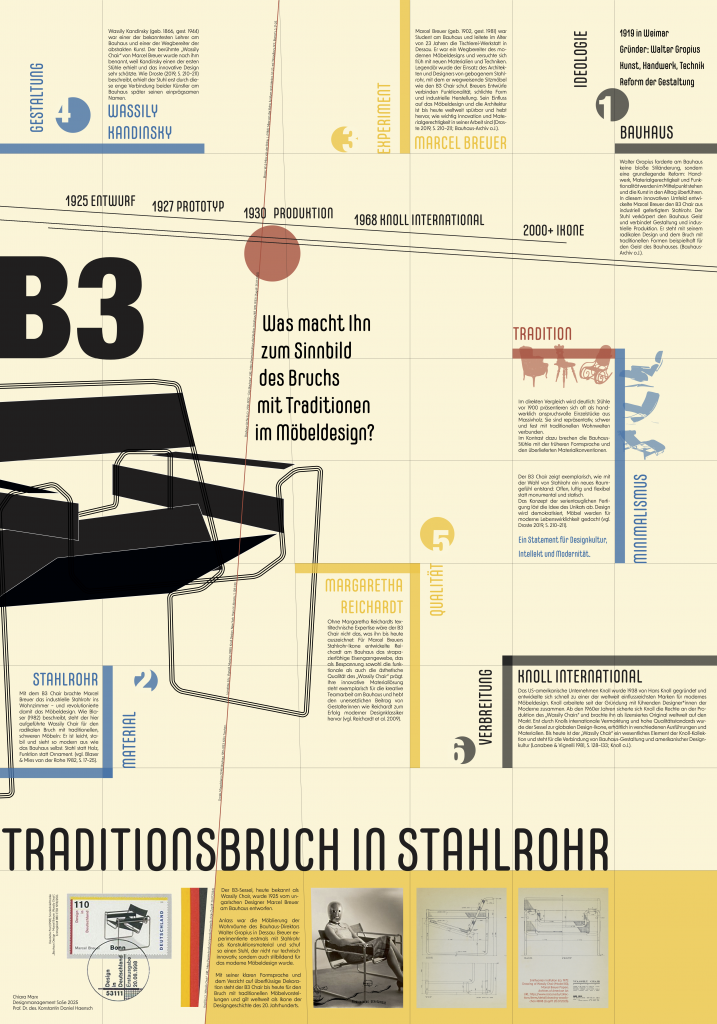
Chiara Marx: “B3 – What makes him a symbol of the break with traditions in furniture design?” (2025)
Entrepreneurship, Innovation, Material Cultures, Product Design
The document explains why Marcel Breuer’s B3 armchair—later called the Wassily Chair—marks a radical break with traditional furniture design. Created at the Bauhaus in 1925 for Walter Gropius’s Dessau interiors, the chair introduced tubular steel as a domestic furniture material and rejected heavy ornament in favor of lightness, clarity, and industrial production. Its name derives […]
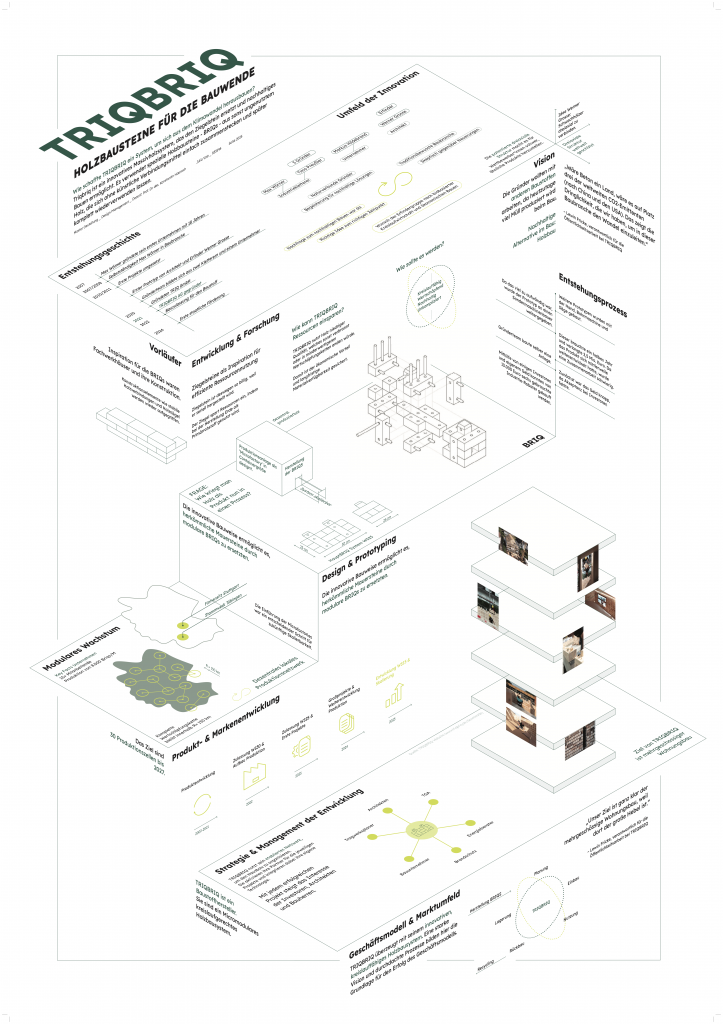
Julia Volz: “TRIQBRIQ – Wooden Building Blocks for the Construction Transition” (2025)
Architecture
The seminar work analyzes TRIQBRIQ as a case study in sustainable construction innovation, focusing on how modular solid-wood blocks (BRIQs) can replace conventional masonry while enabling circular, low-carbon building practices. The system uses lower-grade wood that would otherwise be burned or down-cycled, assembling it into patented, three-axial elements that require no synthetic binders and can […]
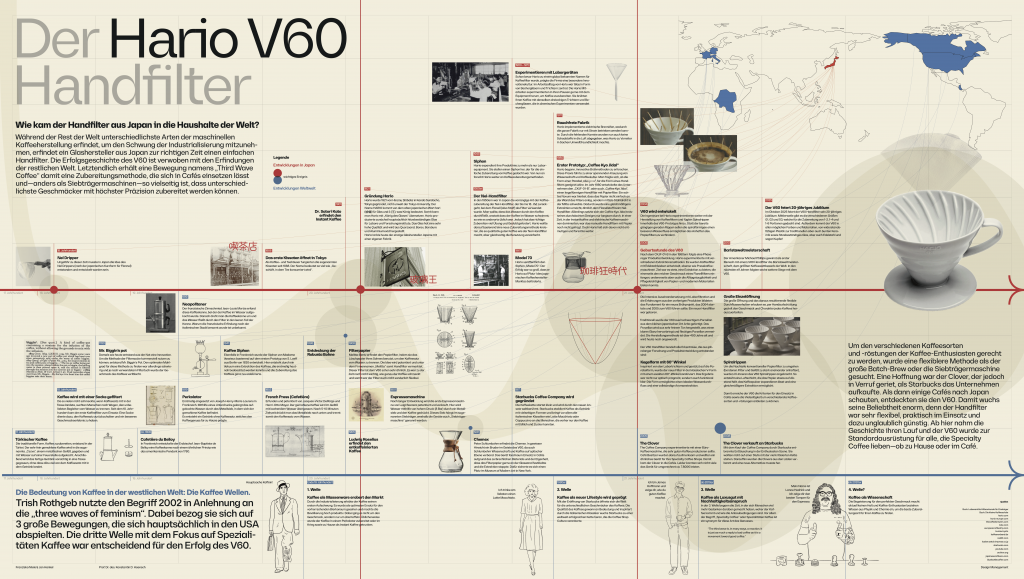
Franziska Niele & Jan Hankel: „The Hario V60 Hand Filter How did the hand filter from Japan make its way into households around the world?“ (2025)
[Design Ethnography], Design Strategy, Innovation, Material Cultures
This research poster traces the global genealogy of coffee-brewing technologies—from early filtration practices in the Ottoman Empire and eighteenth-century Europe to twentieth-century paper filters, siphons, espresso machines, and the emergence of Japanese craft traditions—culminating in the development of the Hario V60 hand filter. It situates the V60 within a long lineage of experimentation between laboratory […]
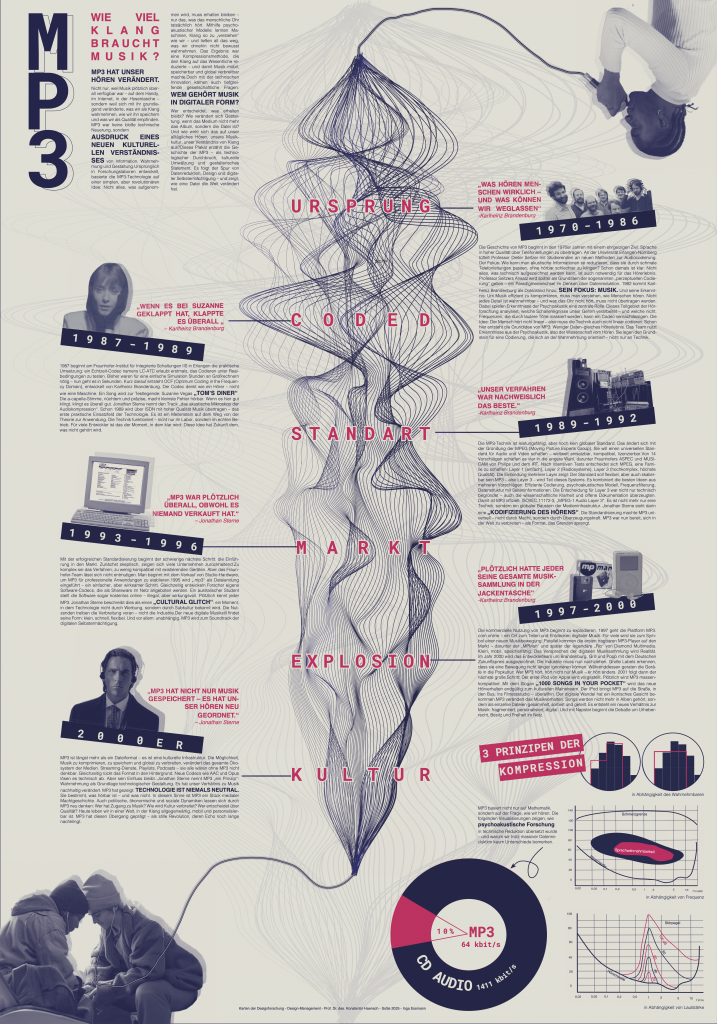
Inga Essmann: „MP3 – How much sound does music need?“ (2025)
Innovation, Interface Cultures, Material Cultures
The poster charts the rise of the MP3 from scientific experiment to cultural infrastructure. It begins with psychoacoustic research in the 1970s–80s that explored how human hearing can be selectively modeled, enabling digital compression. These insights were formalized through MPEG standards in the early 1990s, illustrated by diagrams comparing CD audio with MP3 bitrates and […]
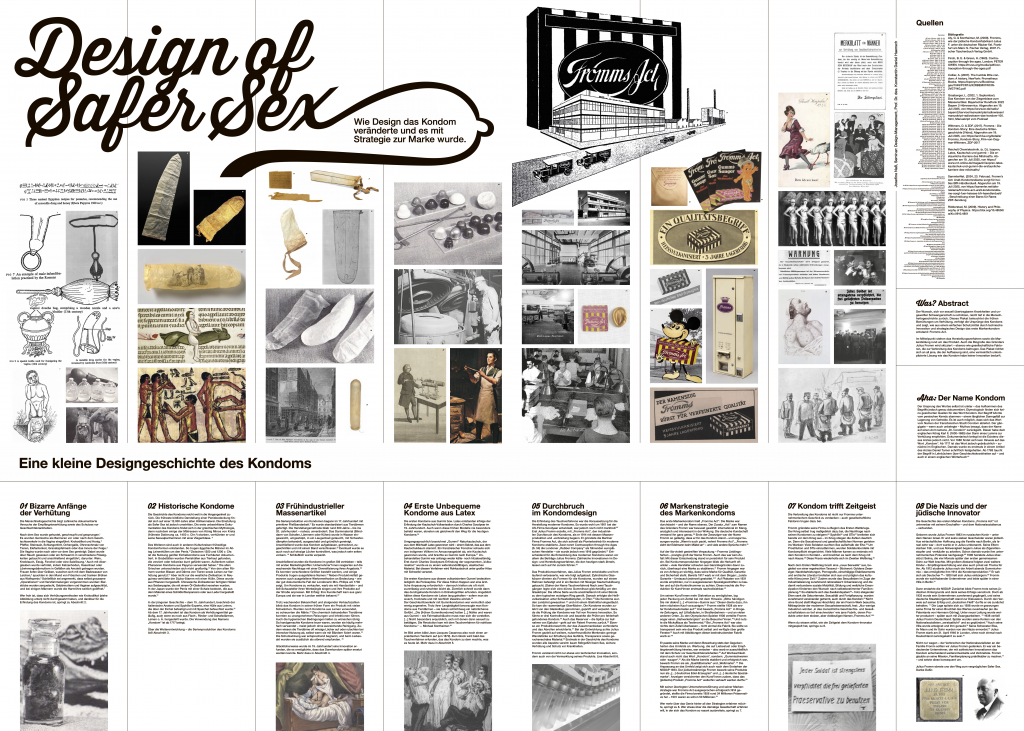
Josefine Naß: „Design of Safer Sex. How design changed the condom and how strategy turned it into a brand.“ (2025)
Design Strategy, Gender/Queer, Material Cultures
This poster traces a design history of the condom as both a technological artifact and a branded consumer product, showing how materials, forms, and visual strategies evolved alongside shifting moral codes, medical knowledge, and political regimes. Through historical imagery and case-based analysis, it moves from early protective devices to industrial mass production and the emergence […]
Lale Gülmez: Trash-to-Cash: The Intelligent Trash Can (2025) [German Design Graduate Award]
[Awarded], [Cultural Probes], [Design Ethnography], [Research through Design], Consumer Culture, Entrepreneurship, Innovation, Material Cultures, Product Design
This M.A. thesis develops and prototypes an “intelligent trash can” designed to improve household-level plastic sorting and thus increase recycling efficiency in Germany. Building on extensive systemic research into waste legislation, packaging streams, and the highly successful PET deposit system, the project identifies a structural gap: unlike deposit bottles, most packaging waste is not separated […]
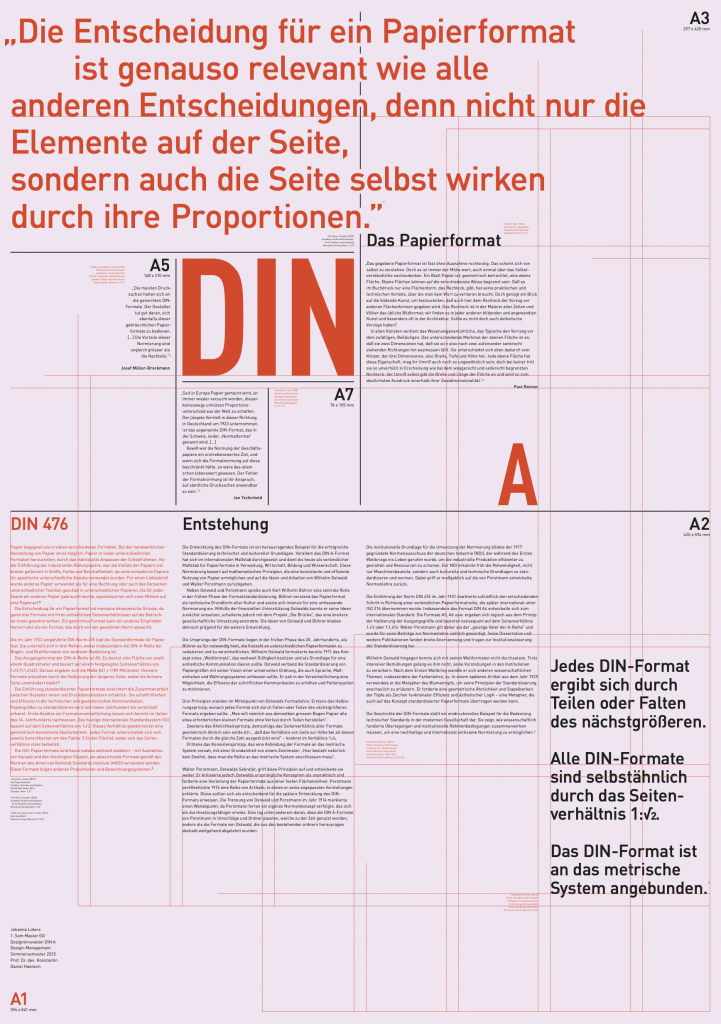
The poster traces the cultural, mathematical, and institutional history of the DIN paper formats, focusing on how the DIN-A series became a global standard. It explains the key principles behind the system—halving, geometric similarity (1:√2), and metric consistency—and highlights the roles of Wilhelm Ostwald, Walter Porstmann, and Karl Wilhelm Bührer in early twentieth-century debates on […]
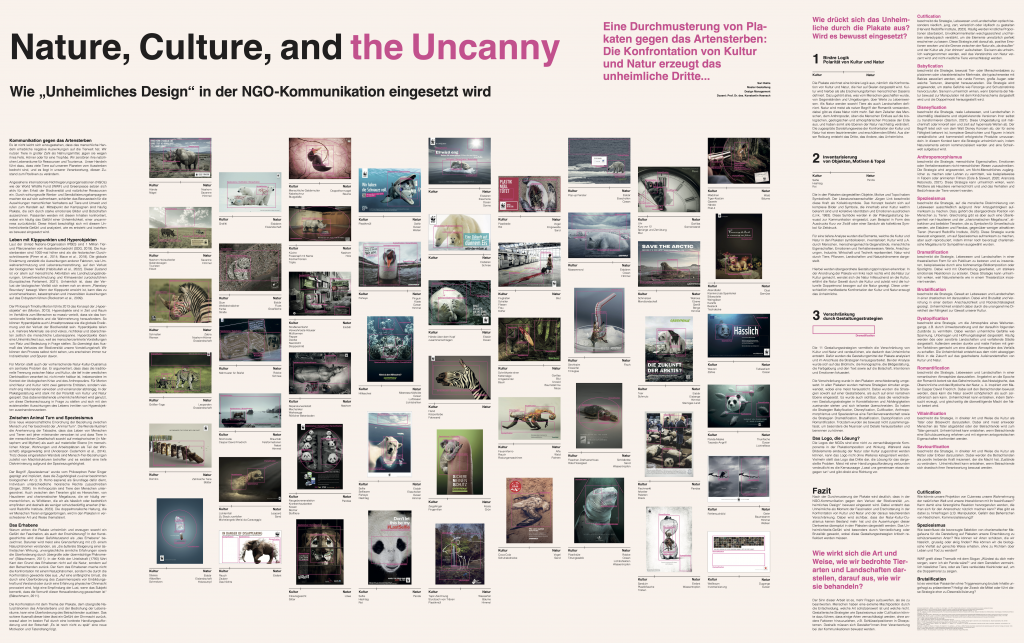
Sari Dahle: “Nature, Culture, and the Uncanny: How ‚Uncanny Design‘ is Used in NGO Communication“ (2024)
[Design Critique], Communications, Uncanny Design
This project analyzes how environmental NGOs use “uncanny” visual strategies in poster campaigns about biodiversity loss, focusing on the tense interplay between nature and culture. Drawing on concepts such as hyperobjects, the Animal Turn, speciesism, and the aesthetic of the sublime, it identifies eleven recurring design strategies—from cutification and anthropomorphism to brutalization and dystopification—and shows […]
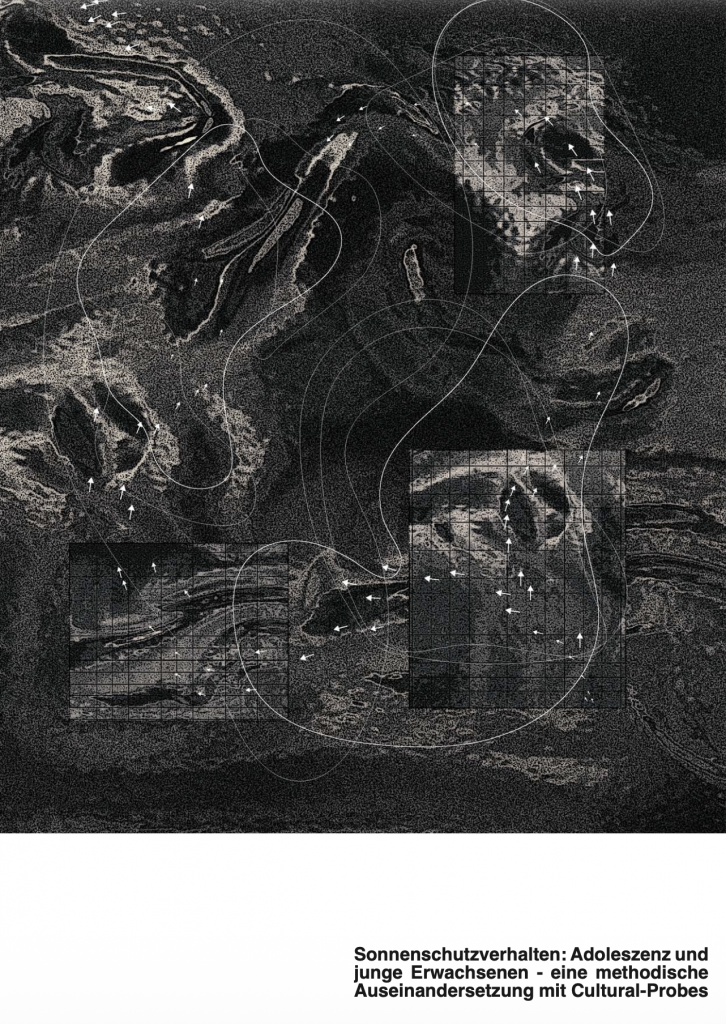
Lea Kutschke & Geraldine Kutschke: „Sun Protection Behavior: Adolescence and Young Adults – A methodological Examination of Cultural Probes“ [German Design Graduate Award]
This MA thesis investigates adolescents’ and young adults’ sun-protection practices through design-ethnographic, exploratory research centered on Cultural Probes. Positioned within research through design, the project treats design not merely as an output but as an epistemic instrument: the researchers themselves intervene in the field by conceiving, designing, and iteratively adapting probe materials to elicit participants’ […]
This master’s thesis investigates how patriarchal structures and gender stereotypes are embedded in everyday products, spatial environments, and professional design processes. Combining feminist theory, sociological concepts such as Doing Gender, and contemporary design research, the project analyzes historical genealogies of gendered form, materiality, and usability while grounding these perspectives in an empirical user survey. The […]
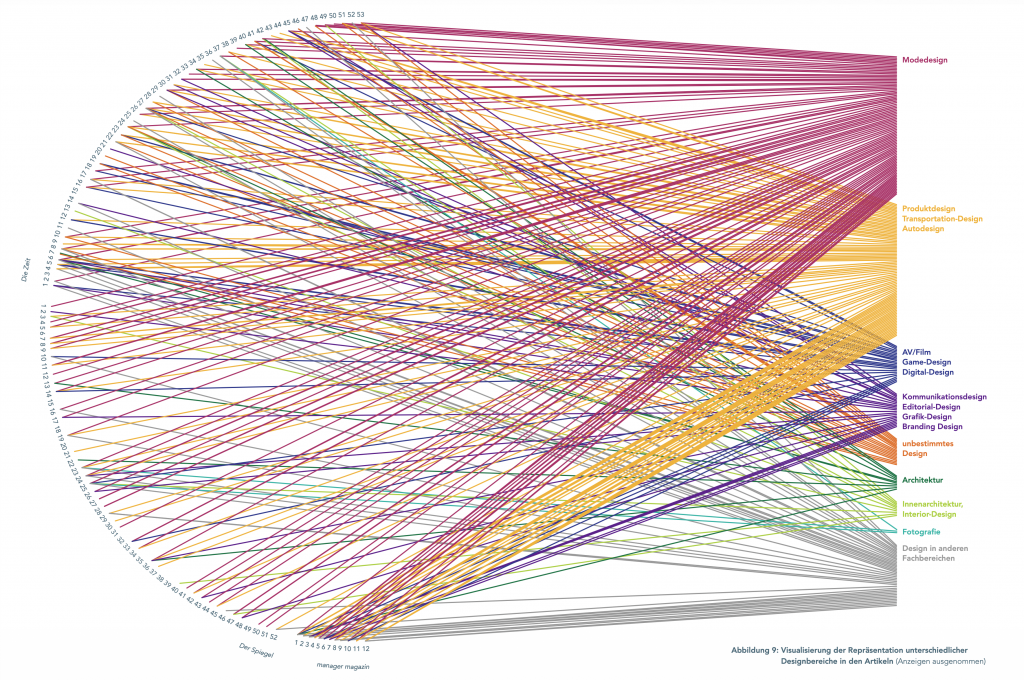
Carolin Baaske: “The Semantic Spectrum of ‘Design’ – Interdiscursive Connotations of a Fuzzy Concept.” (2024)
[Design Critique]
This M.A. thesis investigates how the term “design” circulates beyond professional discourse and how it is framed in German mainstream print media. Drawing on a Critical Discourse Analysis of articles from Die Zeit, Der Spiegel, and manager magazin (2022), the study reconstructs which meanings, metaphors, and expectations shape public understandings of design—and how these differ […]
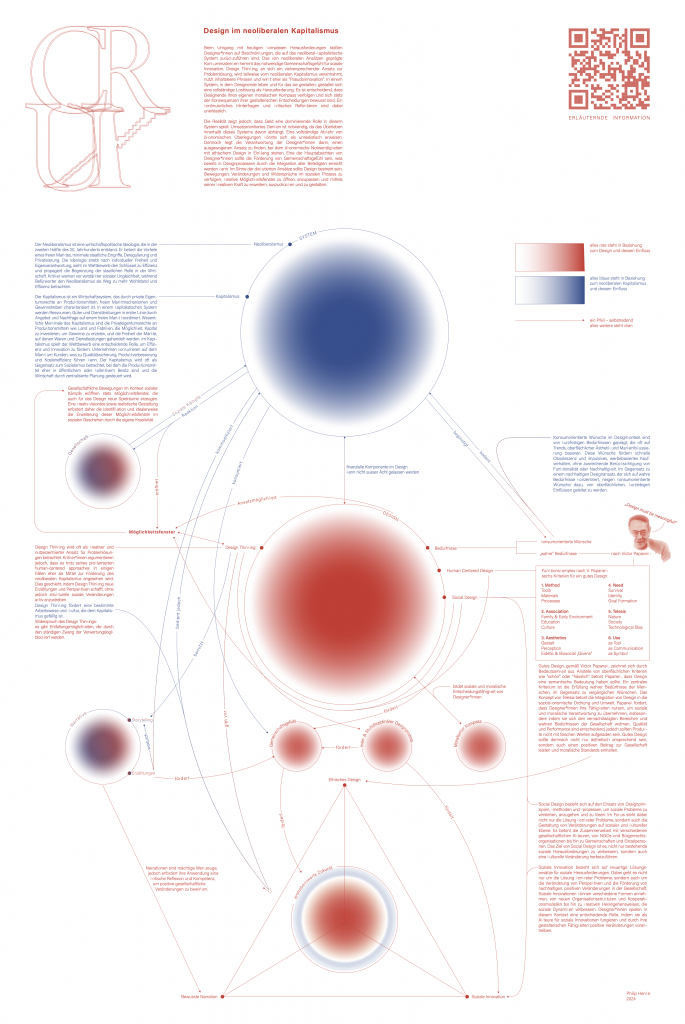
This research project critically examines the role of contemporary design within neoliberal capitalism and asks how designers can move beyond market-driven innovation toward socially responsible practice. Framed as a newspaper-style publication, it juxtaposes essays, visual arguments, diagrams, and activist references to dissect concepts such as Design Thinking, human-centered design, and creative labor, highlighting their entanglement […]
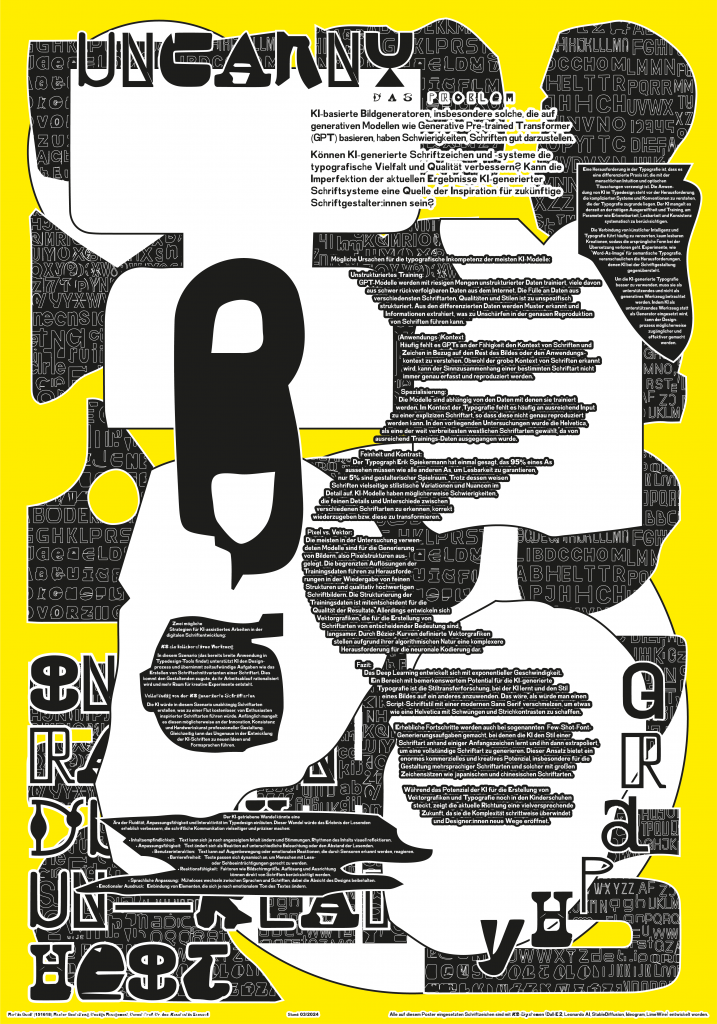
This research poster examines why contemporary AI image generators—especially GPT-based systems—still struggle with high-quality typography, and how these limitations might become productive for future type design. It analyzes technical causes such as unstructured training data, weak contextual understanding of letterforms, limited typographic specialization, and the difficulty of reproducing fine contrast and stylistic nuance when working […]
Carolin Baaske, Samantha Steuer & Kelly Meineke: “Culture at the Faculty of Design. Language of Design” (2024)
[Design Critique], [Design Ethnography], [Research through Design]
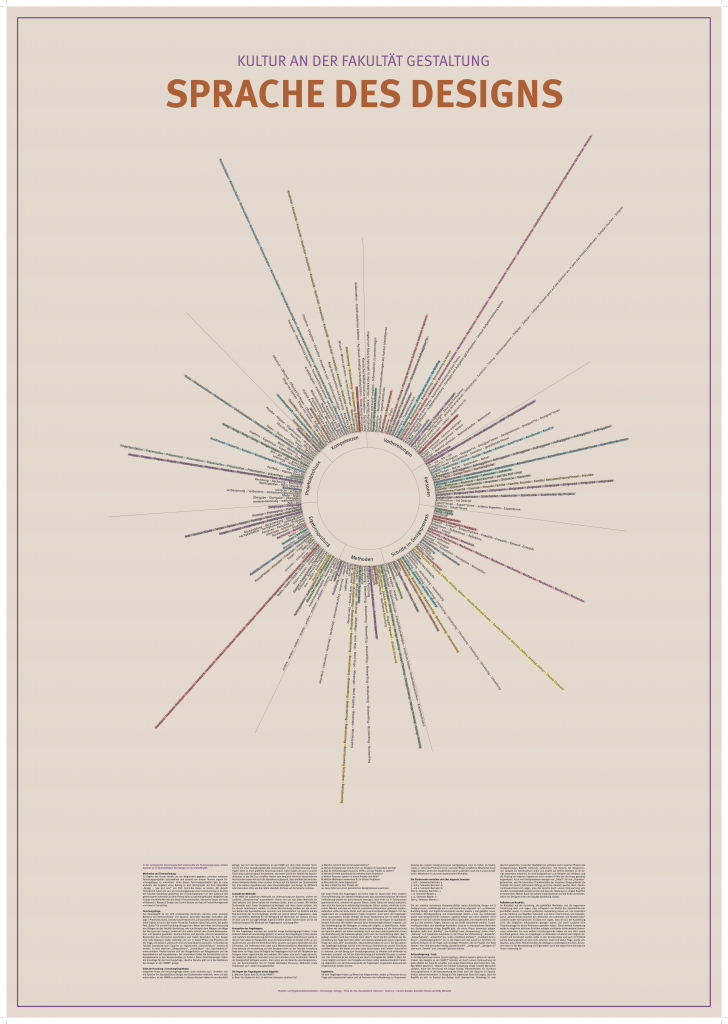
The poster documents a student research project at the HAWK University of Applied Sciences and Arts that investigates how a “specialist discourse” of design is produced through everyday communication, methods, and project practices. Motivated by a contribution to a book project supervised by Konstantin D. Haensch, the team framed its inquiry around cultural theory’s distinction […]
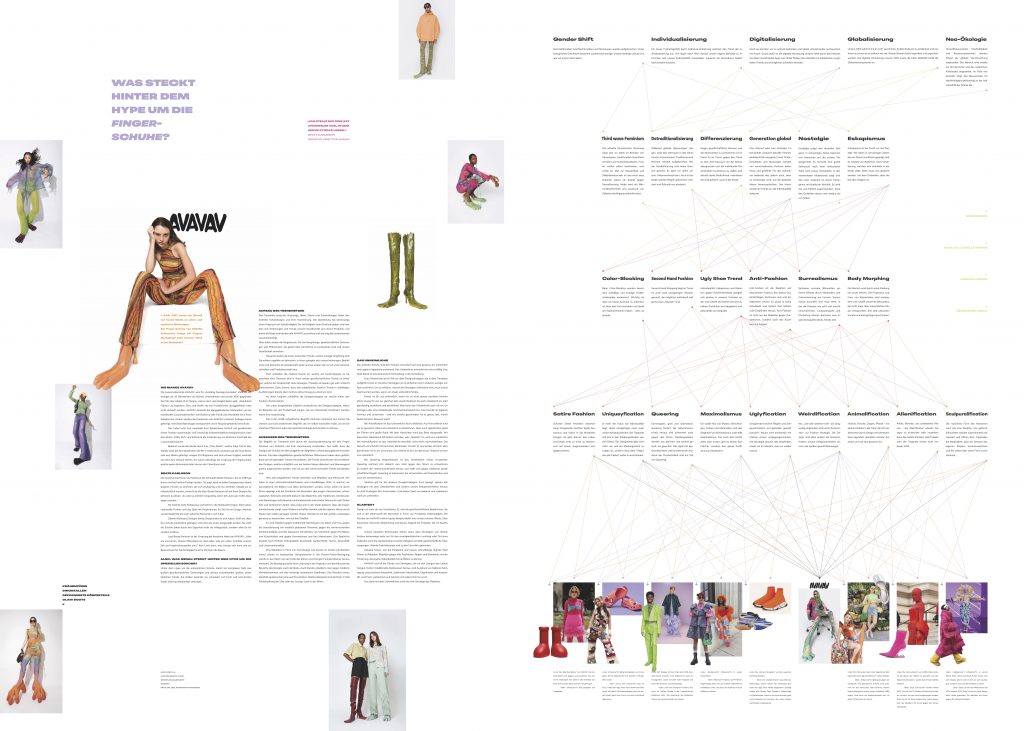
This poster analyzes the cultural, social, and aesthetic forces behind the hype surrounding AVAVAV’s viral “finger shoes,” mapping how megatrends (such as digitalization, globalization, sustainability, and gender shifts) translate into socio-cultural currents, fashion trends, and concrete design strategies. It argues that contemporary footwear aesthetics—ranging from queering and maximalism to alien- and animal-like morphologies—are driven by […]
Elea Verbeck: „What Really Matters – An Investigation of Important Things with Cultural Probes.“ (2024)
[Design Ethnography], Consumer Culture, Material Cultures
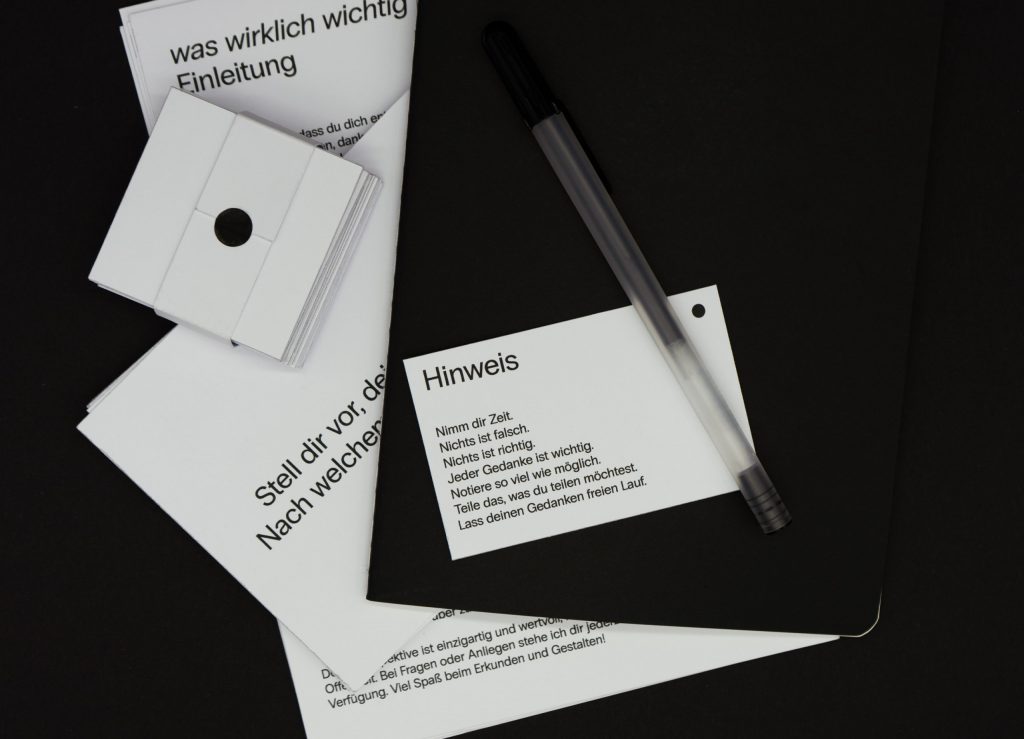
In Was wirklich wichtig ist, Elea Verbeck investigates how people define and experience “what really matters” in their everyday lives, focusing especially on the role of objects, small routines, and seemingly trivial things. Starting from the idea that importance is subjective, situational, and often only noticed when something is missing, the project rejects universal definitions […]
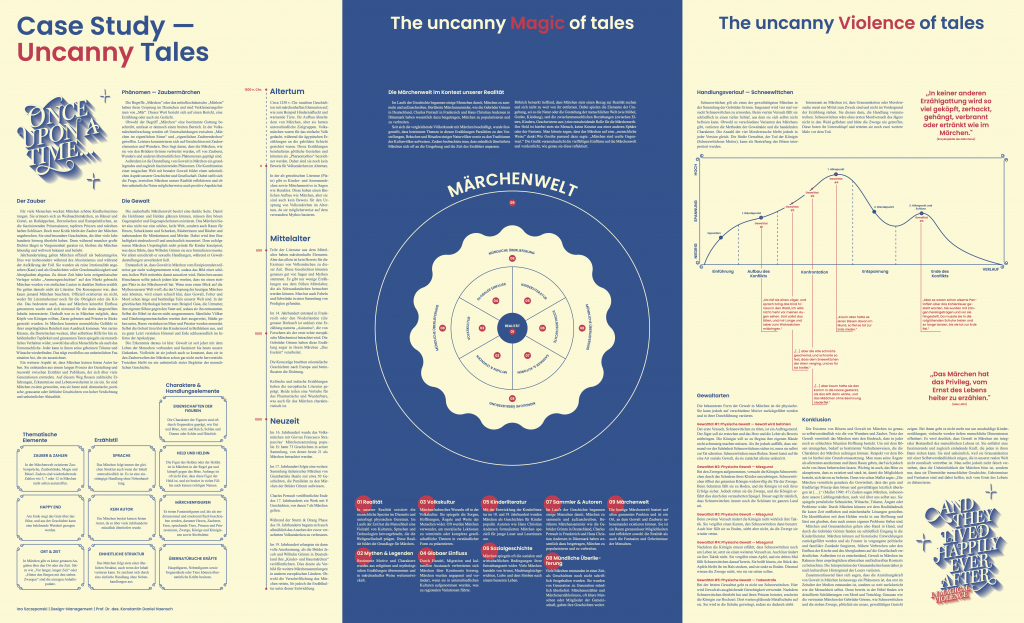
This poster examines fairy tales through the lens of the uncanny, tracing how wonder and violence intertwine across narrative structures, historical periods, and cultural functions. Combining literary analysis, historical contextualization, and visual modeling, it maps the “Märchenwelt” as a shifting field between reality and fantasy, innocence and cruelty, moral instruction and emotional disturbance. Through comparative […]
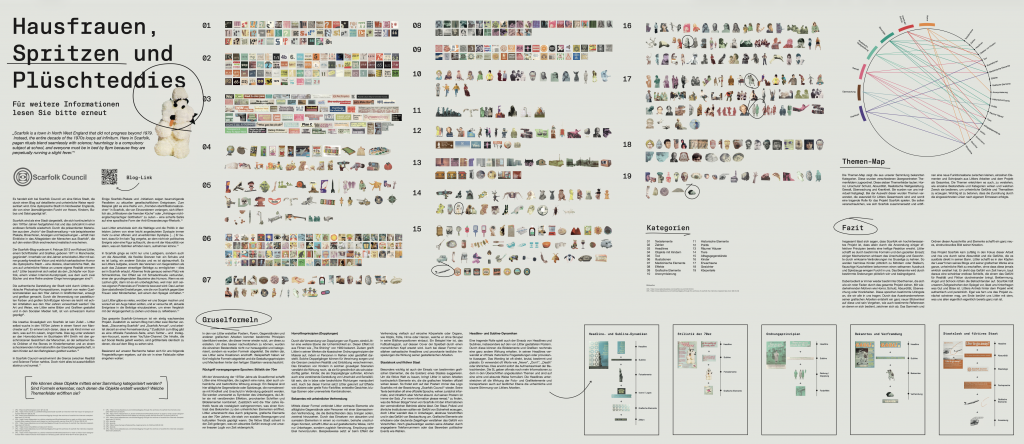
Summary of the research poster The poster analyzes the online art project Scarfolk Council, a fictional English town created by Richard Littler and presented through posters, brochures, warnings, and “official” communications styled like 1970s public information campaigns. The research shows how Scarfolk builds an unsettling, satirical dystopia by looping the 1970s indefinitely and blending nostalgic […]
Geraldine Kutschke, Lea Kutschke, Samantha Steuer & Jan-Henrik Strehlau: „Mood Atlas: How Young Designers Think about the Advertising Industry“ (2023)
[Cartography], [Design Critique], [Design Ethnography], [Research through Design]
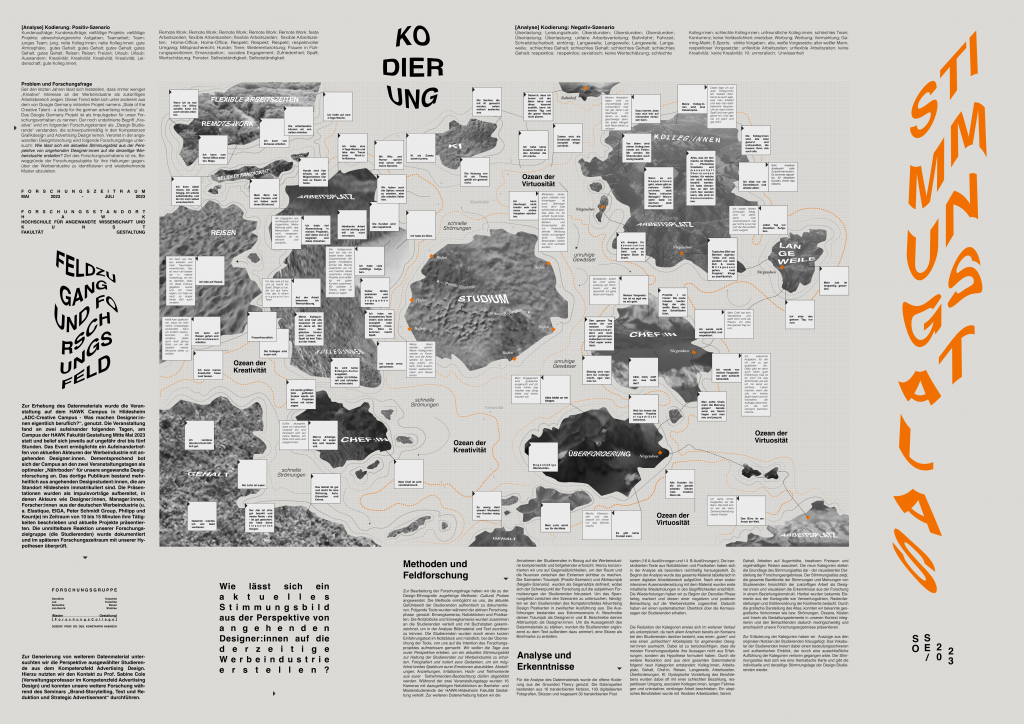
The research poster investigates contemporary working moods in the creative industries—especially among designers and advertising professionals—through an exploratory, qualitative field study. Using ethnographically inspired field research, participants were asked to externalize experiences of pressure, collaboration, routine, creativity, and overload. These accounts were then translated into a large-scale visual mapping system (“Stimmungsatlas”) that spatializes affects, conflicts, […]
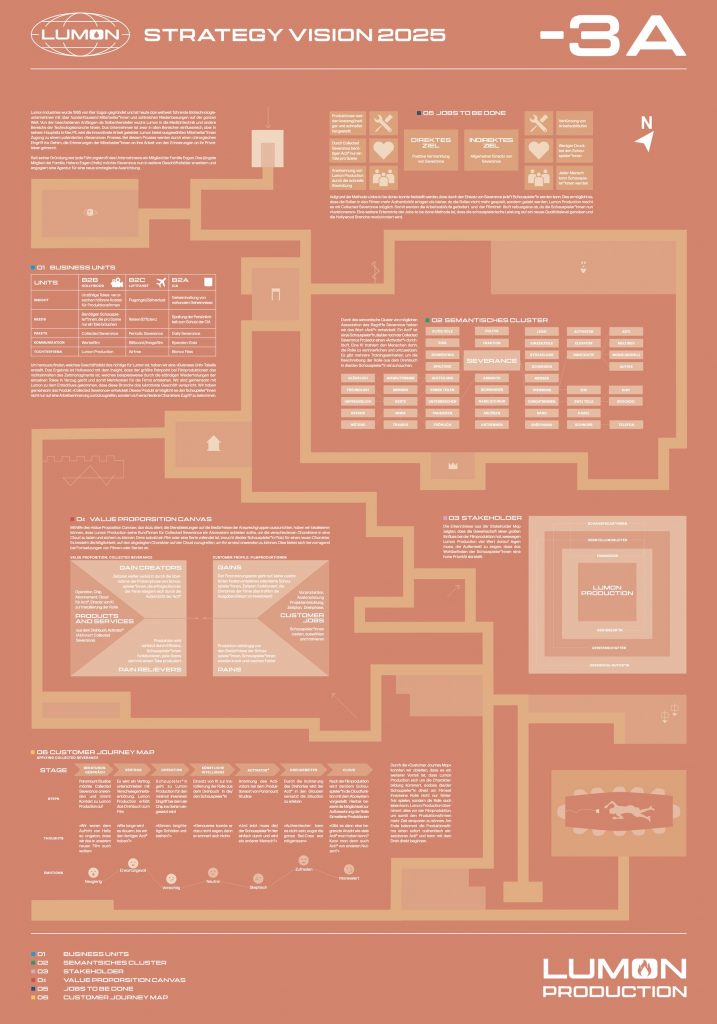
The research poster develops a speculative strategic concept for expanding the fictional biotechnology company Lumon Industries into the film industry through a new service titled Collected Severance. Building on the narrative universe of Severance, the project translates a fictional neuro-technological procedure into a strategic business model. Using established design management tools—including Business Unit analysis, Stakeholder […]
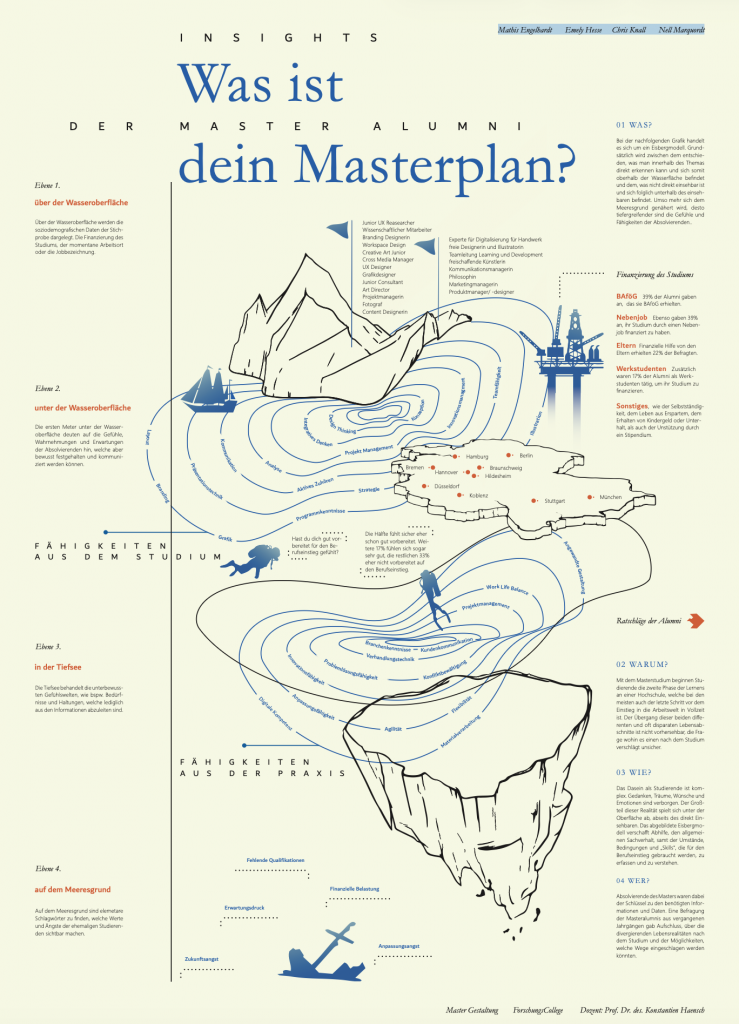
Mathis Engelhardt, Emely Hesse, Chris Knall & Nell Marquordt: „What is your Masterplan? Insights from Master Alumni“ (2023)
[Cartography], [Design Critique], [Design Ethnography], [Research through Design]
The research poster investigates how graduates from a design master’s program experience the transition into professional life by combining alumni surveying with a conceptual visualization method. Empirically, the project draws on questionnaire data from former students across different cities, collecting information on study financing, early career paths, job titles, perceived preparedness for work, and skill […]
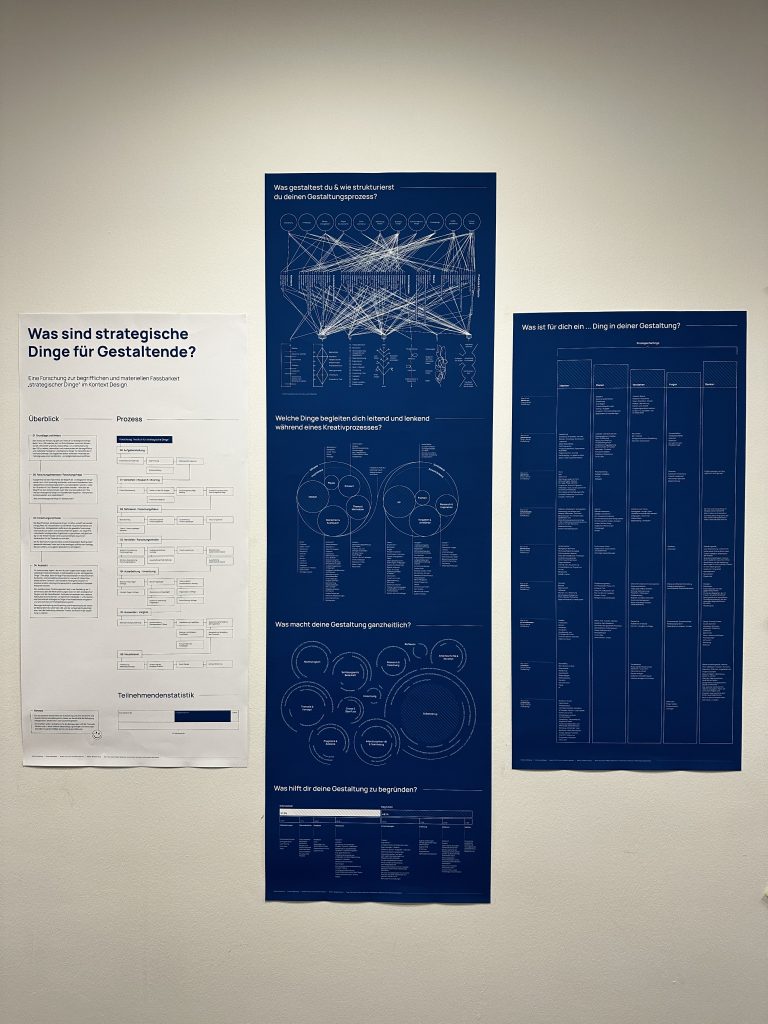
Mira Jasmin Feltgen, Nadja Haas, Verena Knoke, Lisa Kostyra, Marie Mause & Elea Verbeck: „What are Strategic Things for Designers? Research into the Conceptual and Material Graspability of ‚Strategic Things‘ in the Context of Design.“ (2023)
The three posters present a design-research project investigating how “strategic things” are understood, interpreted, and materially enacted by designers in educational contexts. Triggered by collaboration with the Institut für strategische Dinge Berlin, the study involved 24 participants from BA and MA programs and used an open, qualitative survey method to capture individual associations, working practices, […]
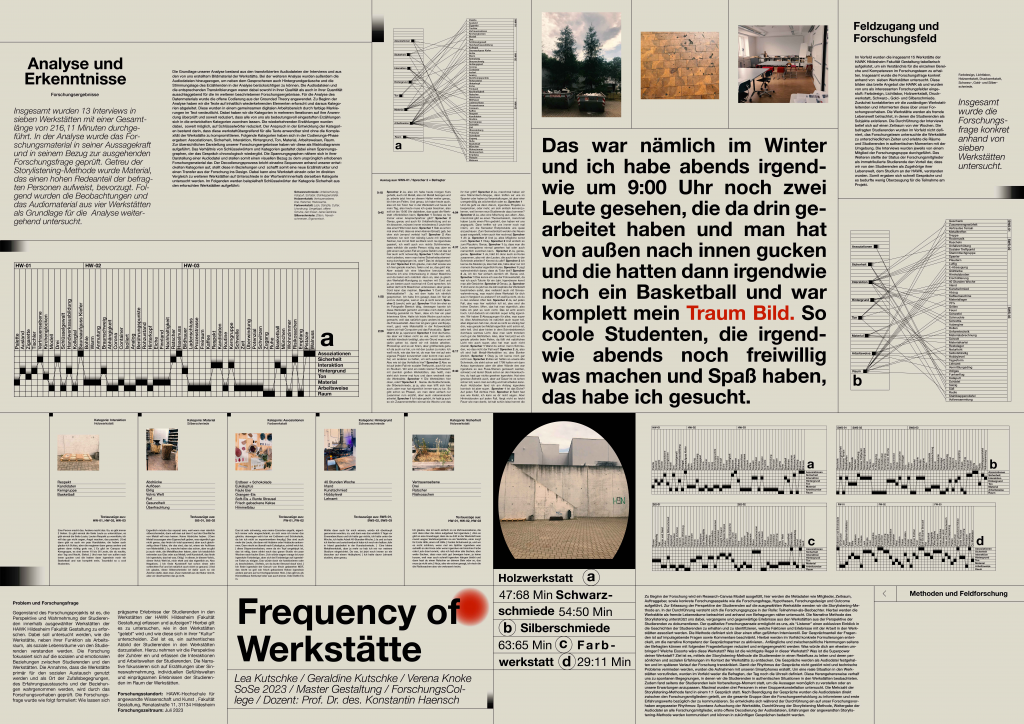
[Design Critique], [Design Ethnography], [Research through Design], Craft, Material Cultures
The poster presents a qualitative design-research study of creative workshops at HAWK University that explores how spatial arrangements, material infrastructures, and everyday practices shape students’ learning cultures and emotional attachments to these spaces. Using a research-through-design perspective, the project combines 13 semi-structured interviews conducted across seven different workshops with participant observation and photographic documentation. Interview […]